
Lebanese dinner recipes
These Lebanese dinner recipes bring lentils, herby meat, crunchy salads and creamy tahini to the dinner table. Choose a complete bowl or plate, or take a mezze-style approach with smaller dishes to share and assemble.
Across 5 dinners, you'll find beginner options alongside a falafel bowl for more confident cooks, with listed times from 20 to 45 minutes. What makes this collection different is its focus on the whole dinner: bread or rice, something crunchy, a satisfying centre and sauces that people can add themselves. Sumac supplies tang, tahini brings richness, and neither needs a complicated supporting cast.
Salty's advice for easy Lebanese food at home? Pick one main job and let the accompaniments stay simple. Shop-bought hummus, warm bread or a takeaway addition can earn their place too. Solo supper, dinner for two or a mixed-diet family table: there's room to arrange things your way.
5 recipes
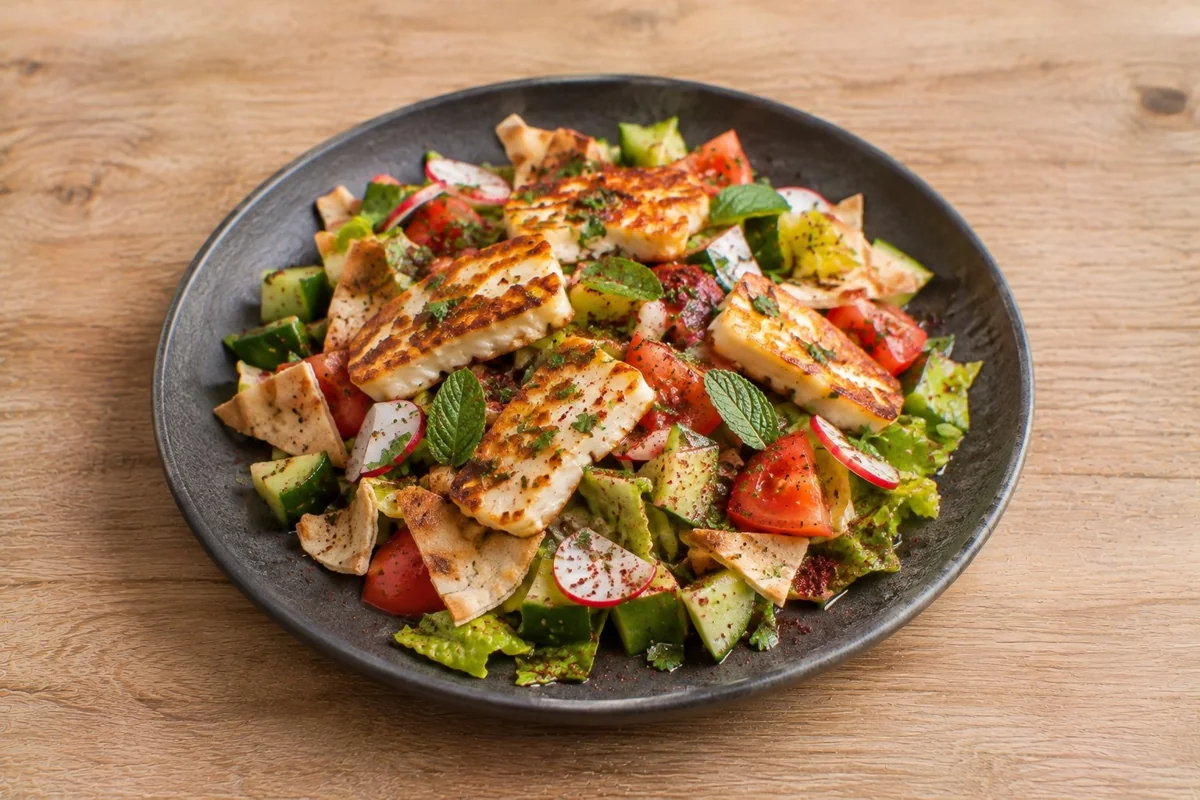
Fattoush with Crispy Halloumi
Crunchy Lebanese bread salad with radishes, tomatoes, cucumber, sumac and pomegranate molasses, topped with golden halloumi.
20 min · Lebanese · Vegetarian, High protein
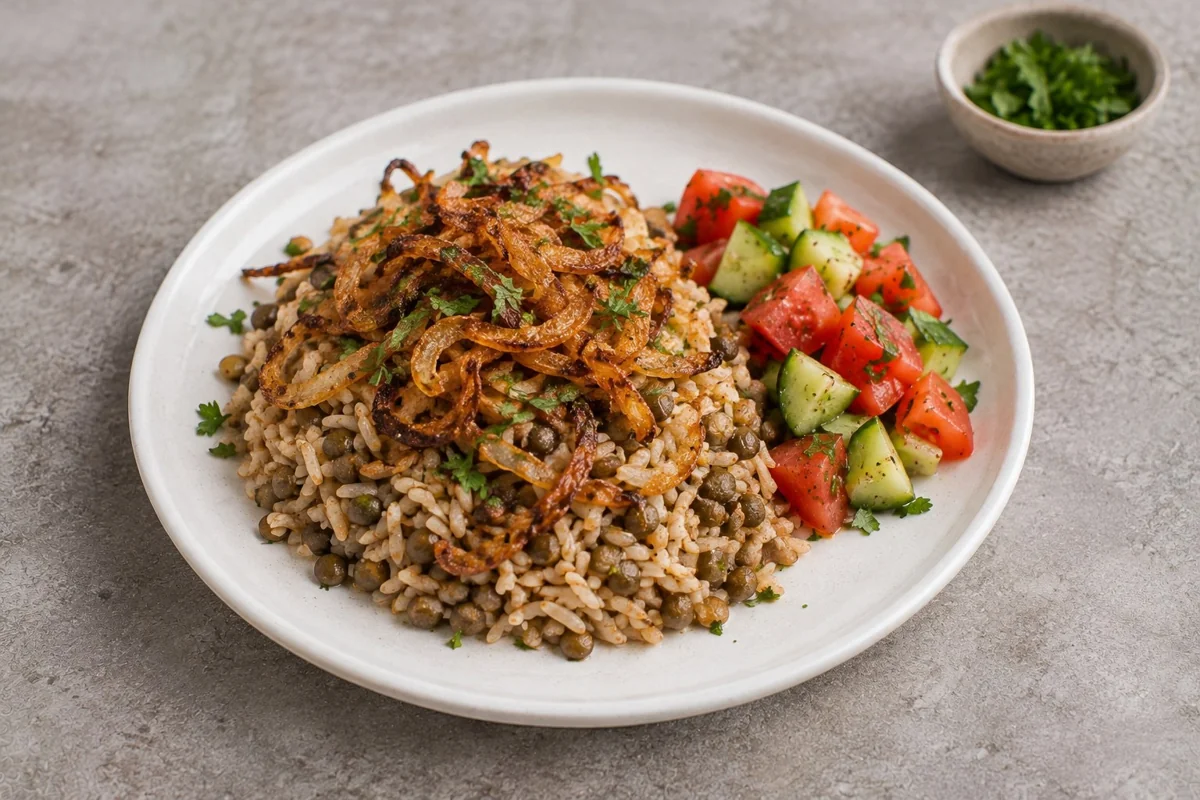
Mujadara (Lentils, Rice & Crispy Onions)
Humble, magnificent Levantine comfort: spiced lentils and rice crowned with a tangle of sweet, crispy onions. Vegan and cheap.
45 min · Lebanese · Vegan, Vegetarian
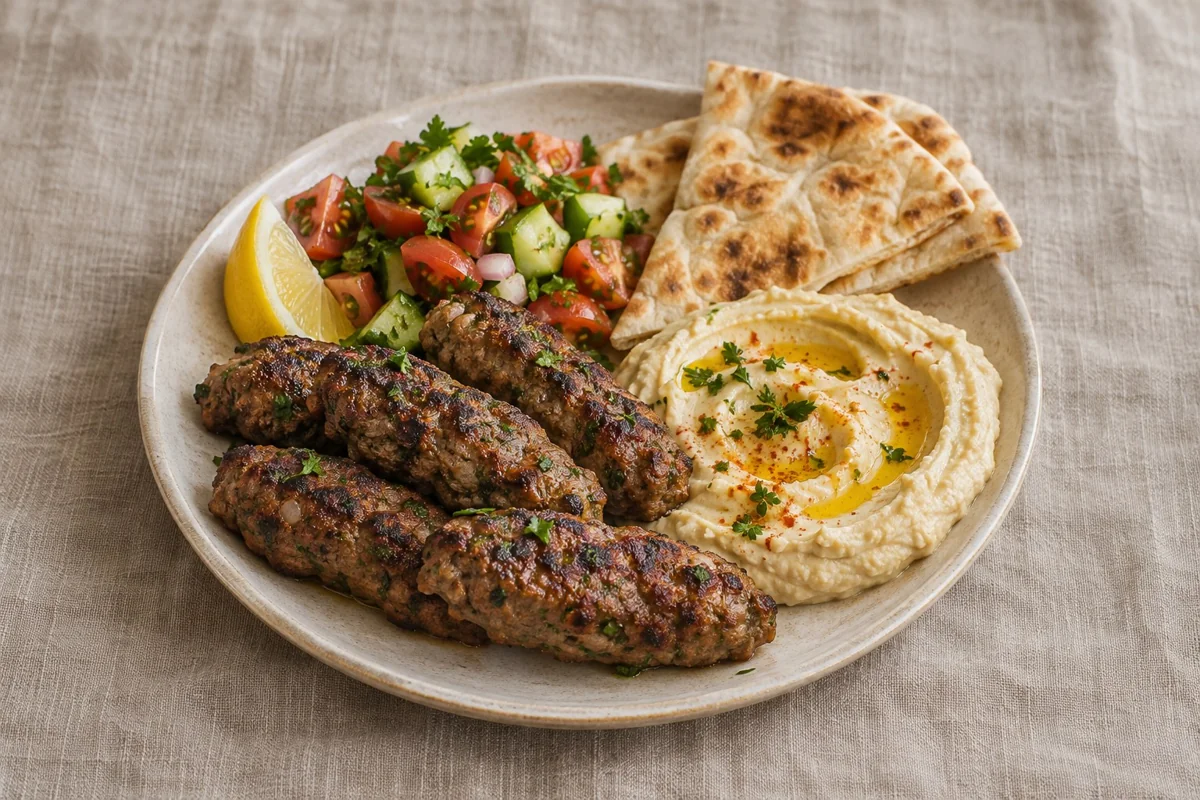
Lebanese Beef Kafta with Hummus
Herby, spiced beef kafta skewers with creamy hummus, warm flatbread and a crunchy tomato-cucumber salad.
25 min · Lebanese · Dairy free, High protein
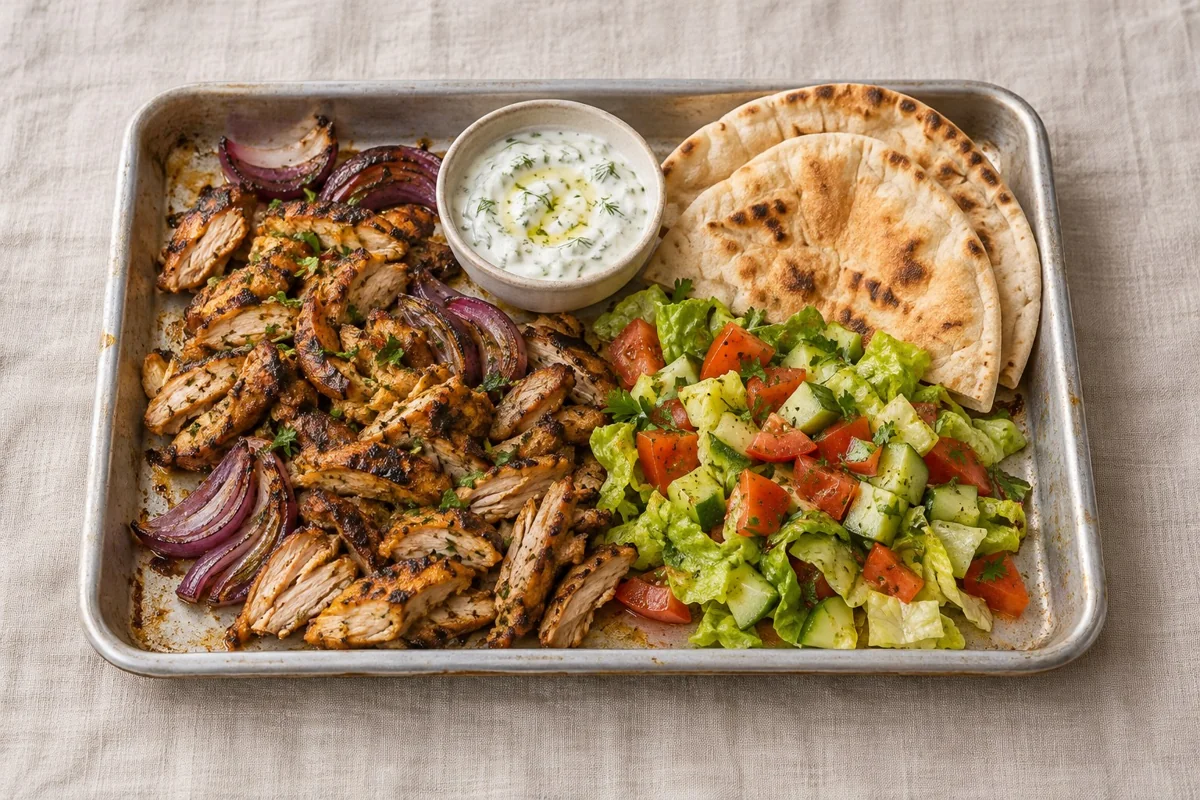
Sheet-Pan Chicken Shawarma Plate
Warmly spiced, crispy-edged chicken with roasted onions, warm pita, crunchy salad, and a garlicky yoghurt sauce. Street food, home-style.
35 min · Lebanese · High protein
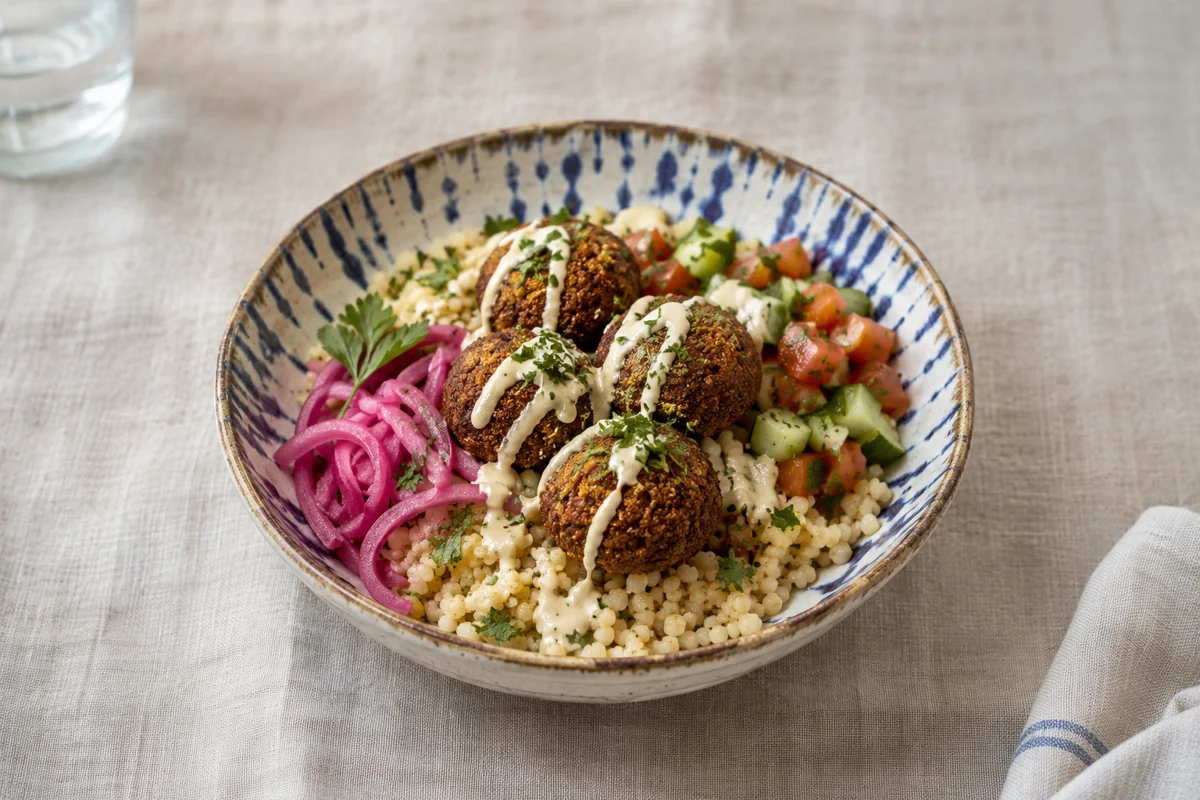
Air-Fryer Falafel Bowl with Tahini
Crispy herb falafel over fluffy couscous with tabbouleh-style salad, pickled red onion, and a creamy lemon tahini drizzle.
30 min · Lebanese · Vegan, Vegetarian
Can't choose between these? Spin the dinner wheel and let Salty pick one.
More coming soon — Salty is cooking 🧂
What Lebanese home cooking is really like
A restaurant spread can make Lebanese dinner look like a project involving every bowl in the cupboard. Home cooking needn't copy that abundance. Lentils, rice, vegetables, bread and a well-chosen sauce can carry the meal, with meat or cheese taking a turn rather than appearing everywhere. Lebanese food also shares plenty with neighbouring Levantine cuisines; these dishes aren't confined neatly by borders.
Mezze means small dishes, often shared, but you don't need a parade of them for an ordinary dinner. Think of the format as permission to put separate elements on the table: salad here, hummus there, bread within reach. That works just as well when part of dinner comes from a shop or takeaway.
For one person, assemble a plate rather than filling serving bowls. For a couple, choose a centrepiece and share the accompaniments. Families can keep crunchy vegetables apart from sauces, while mixed-diet households can offer plant-based elements separately from meat or cheese. The aim isn't restaurant theatre; it's a dinner whose textures and flavours work together without making everyone eat an identical plate.
Pantry staples to buy once
Start with tahini and sumac rather than buying a shelf of unfamiliar jars. Tahini is sesame paste: stir it before measuring if the oil has separated. For a simple sauce, mix with lemon juice and gradually add water, stirring through the initial thickening until it pours. Make it thicker for dipping bread or looser for drizzling over a bowl.
Sumac has a tart flavour rather than chilli heat. Sprinkle a little over chopped vegetables, taste, then decide whether you want more. If you haven't got it, lemon juice can supply acidity, although it won't reproduce sumac's flavour. Pomegranate molasses brings another sweet-sour note to fattoush; buy it when that salad is on your plan rather than treating it as compulsory for every dinner.
Dried lentils, rice and your preferred spices are useful cupboard foundations. Add fresh herbs, onions, lemons and vegetables as needed. Couscous and flatbread give you different ways to complete a plate. Follow storage guidance on packaging instead of assuming every opened jar belongs in the cupboard. Tahini contains sesame, and breads vary: check each recipe's allergen list and ingredient labels when shopping for dietary needs.
Classic dishes explained
Air-Fryer Falafel Bowl with Tahini puts herb falafel over couscous with tabbouleh-style salad, pickled red onion and lemon tahini. Falafel are seasoned pulses shaped and cooked until crisp; this version uses an air-fryer and takes 30 minutes. It's the confident-skill choice here, with a vegan, dairy-free bowl built around contrasting textures.
Sheet-Pan Chicken Shawarma Plate translates a street-food favourite into a beginner-friendly oven dinner. Shawarma is traditionally cooked on a rotating spit; this sheet-pan approach gives you warmly spiced chicken, roasted onions, pita, salad and garlicky yoghurt sauce in 35 minutes. It's the collection's medium-spice option.
Fattoush with Crispy Halloumi pairs Lebanese bread salad with golden cheese. Fattoush brings vegetables and crisp bread together; here, radishes, tomatoes and cucumber meet sumac and pomegranate molasses. The halloumi topping makes this a vegetarian dinner, ready in 20 minutes, with both hob and oven listed.
Mujadara (Lentils, Rice & Crispy Onions) is lentils and rice crowned with sweet, crispy onions. This beginner-friendly, 45-minute hob dinner is vegan, dairy-free and gluten-free. Its appeal is comfort rather than a crowded platter: add the accompanying salad for a fresh contrast to the warm lentils and rice.
Lebanese Beef Kafta with Hummus centres on herby, spiced beef skewers served with hummus, flatbread and tomato-cucumber salad. Kafta refers to seasoned minced meat shaped for cooking. This mild, beginner-friendly version takes 25 minutes on the hob and is dairy-free.
Making Lebanese food family-friendly or milder
Separate heat from flavour before changing the whole dinner. Sumac is tangy, tahini is rich, and herbs bring freshness; none needs chilli to earn its place. The shawarma plate is rated medium, while the other dinners here are mild. For a gentler shawarma, reduce any hot seasoning specified in the recipe rather than removing all the spices.
Serve pickled onion, dressing and sauces separately for people who prefer less sharpness or garlic. Children and adults alike may enjoy choosing their own balance of bread, vegetables and the main element. Keep some cucumber or tomato undressed, and offer a small taste of the finished salad alongside it. Familiar components can stay familiar without turning dinner into a negotiation.
For mixed diets, start with a vegan main such as mujadara and offer separate extras that suit the table. Don't assume taking cheese off a plate resolves every dietary requirement. If replacing couscous with rice or choosing a different flatbread, remember that substitutions change the dish and may affect preparation. For allergies, check each recipe's allergen list and every ingredient label, including sauces and shop-bought dips.
Salty's top 3
#1
Fattoush with Crispy Halloumi
Salty picks this 20-minute vegetarian dinner for its crunchy bread salad, tangy sumac and golden halloumi.
#2
Mujadara (Lentils, Rice & Crispy Onions)
Salty's comfort pick combines lentils, rice and crispy onions in a beginner-friendly vegan dinner with meal-prep appeal.
#3
Lebanese Beef Kafta with Hummus
Salty backs these mild beef skewers for a 25-minute dinner with hummus, warm flatbread and plenty of crunch.
FAQ
What is a typical Lebanese dinner at home?
Lebanese home dinners vary between households, but lentils, rice, vegetables, bread and dishes made with meat can all feature. A meal doesn't have to be a large mezze spread. Mujadara with salad is one comforting option; herby kafta with hummus, flatbread and chopped vegetables offers a different balance of warm and fresh elements.
What Lebanese food is easy to make at home?
For easy Lebanese food at home, start with a beginner-rated dish rather than several unfamiliar preparations. This collection includes a 20-minute fattoush with halloumi, 25-minute beef kafta and 35-minute sheet-pan chicken shawarma. Shop-bought bread or hummus can simplify the accompaniments, leaving you with one main cooking task instead of a full spread.
Is Lebanese food spicy?
Lebanese food can be aromatic, garlicky or tangy without being hot. Sumac contributes tartness, while tahini adds a creamy sesame flavour. In this collection, the chicken shawarma plate is medium-spiced and the other dinners are mild. Keep sauces separate and adjust any hot seasoning in the recipe to suit the people eating.
What is tahini, and how do you use it?
Tahini is a paste made from sesame seeds, used in dips and sauces. Stir separated tahini before using it, then mix with lemon juice and water for a drizzle, adding the water gradually. It may thicken before becoming smooth. Tahini contains sesame; for allergies, check each recipe's allergen list and ingredient labels.
Are there vegan Lebanese dinner recipes?
Yes: the mujadara and Air-Fryer Falafel Bowl with Tahini in this collection are vegan. Mujadara combines lentils, rice and crispy onions, while the falafel bowl includes couscous, salad, pickled red onion and lemon tahini. For a mixed-diet table, either can provide the main dinner, with any non-vegan extras served separately.
Text last updated
More collections
Not sure which one?
Tell Salty who's eating and get dinners that fit everyone.
Get personalized ideas