
Chinese dinner recipes
These Chinese dinner recipes help you choose between a fiery Sichuan-style bowl and a gentler dinner, with options taking 15 to 30 minutes. For easy Chinese food at home, start with the heat level, then pick the protein and effort that suit your evening.
Our 7 dinners include beginner-friendly fried rice, vegetarian tomato and egg, and more confident cooking with chilli, tofu or crispy pork. What makes this collection different is the comparison: Sichuan's tingly, punchy flavours sit alongside milder choices, with Cantonese cooking as a useful contrast rather than a label for every gentle dish.
Salty, our cheerful blue salt-shaker, helps you sort the practical bits: what belongs in the cupboard, which dishes suit mixed diets, and where to ease back on heat. Cooking everything yourself isn't an entry requirement; choosing a dish to sit beside ordered-in favourites works here too.
Narrow it down
7 recipes
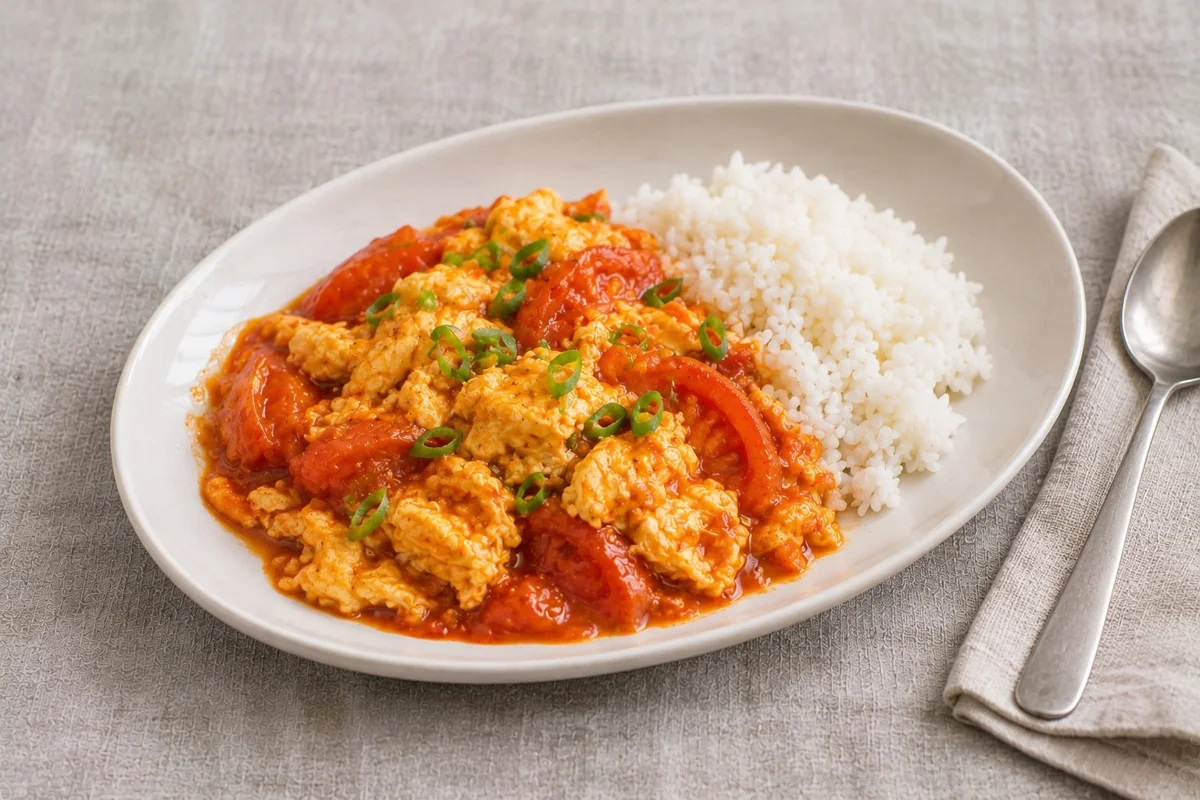
Chinese Tomato & Egg Stir-Fry
China's ultimate home-cooked comfort: fluffy scrambled eggs in a sweet-tangy tomato sauce over rice. Fifteen minutes, five ingredients.
15 min · Chinese · Vegetarian, Dairy free
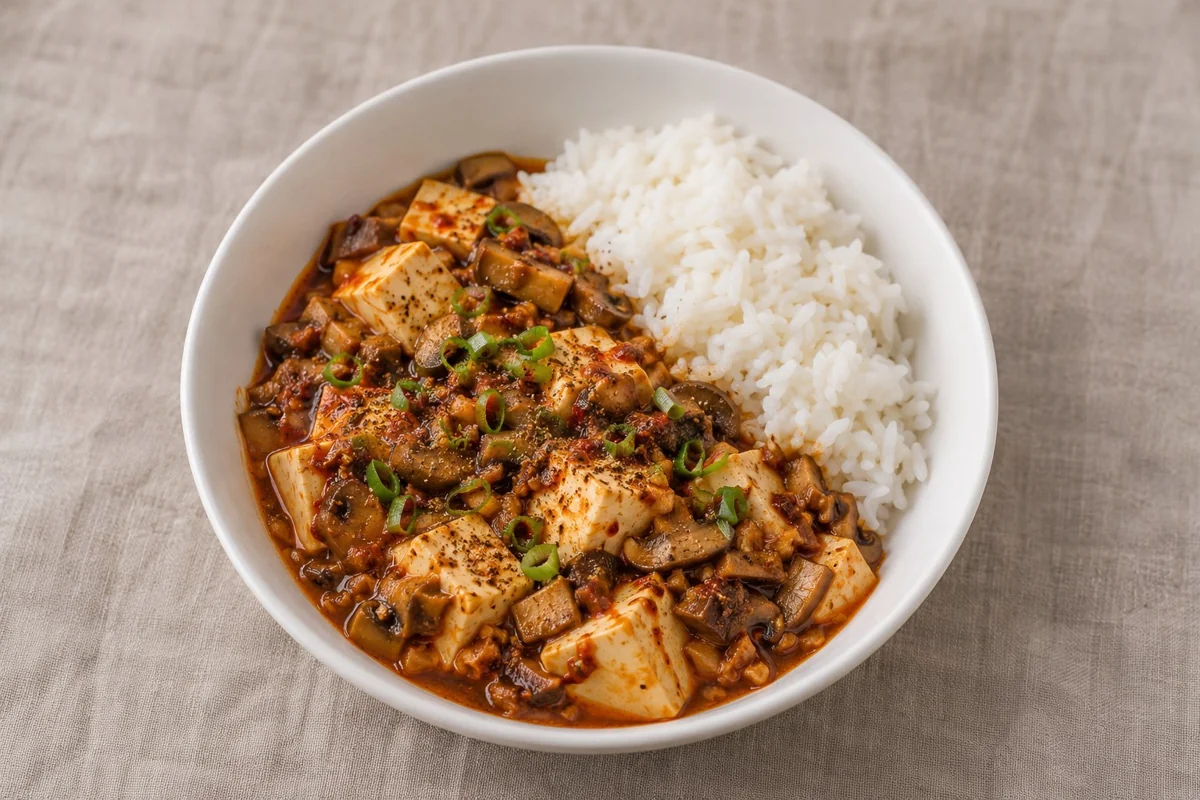
Mushroom Mapo Tofu
A plant-based spin on the Sichuan icon: silky tofu and savoury minced mushrooms in a fiery, numbing chilli-bean sauce.
25 min · Chinese · Vegan, Vegetarian
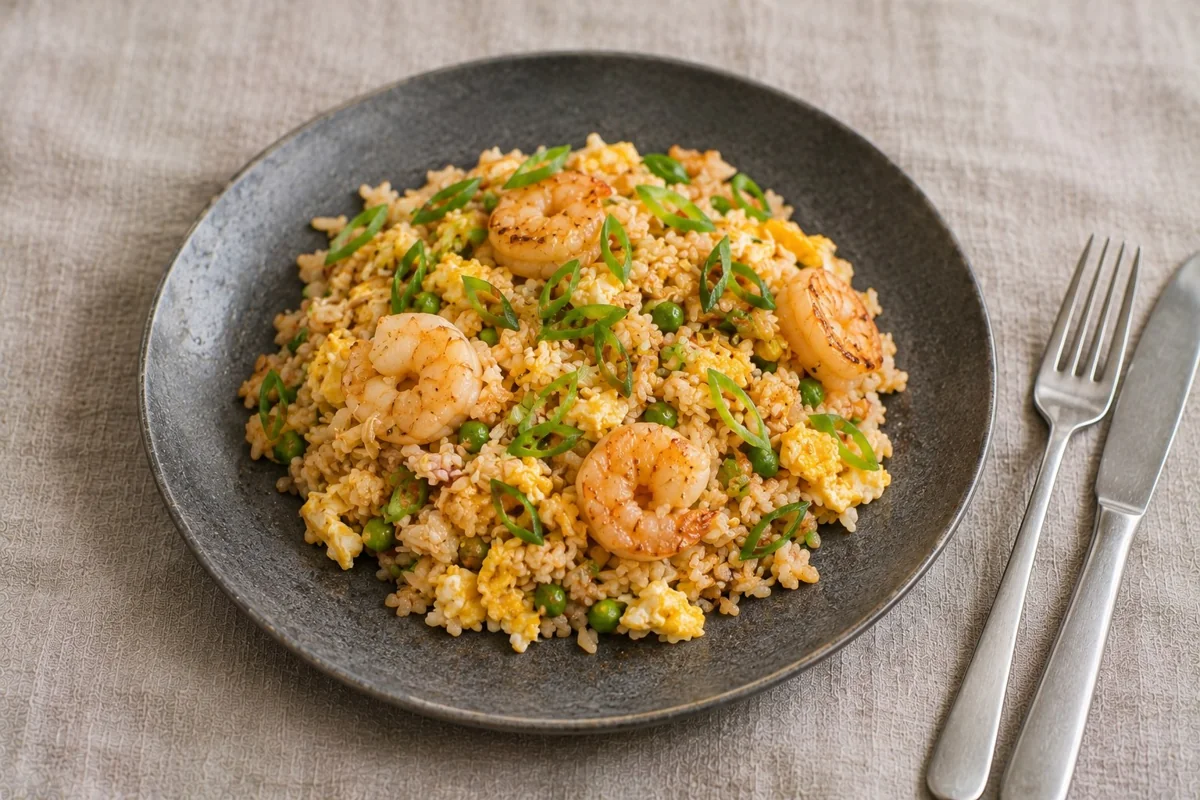
Prawn Egg Fried Rice
Better-than-takeaway fried rice with juicy prawns, fluffy egg, peas and spring onions. The best thing that ever happened to leftover rice.
15 min · Chinese · Pescatarian, Dairy free
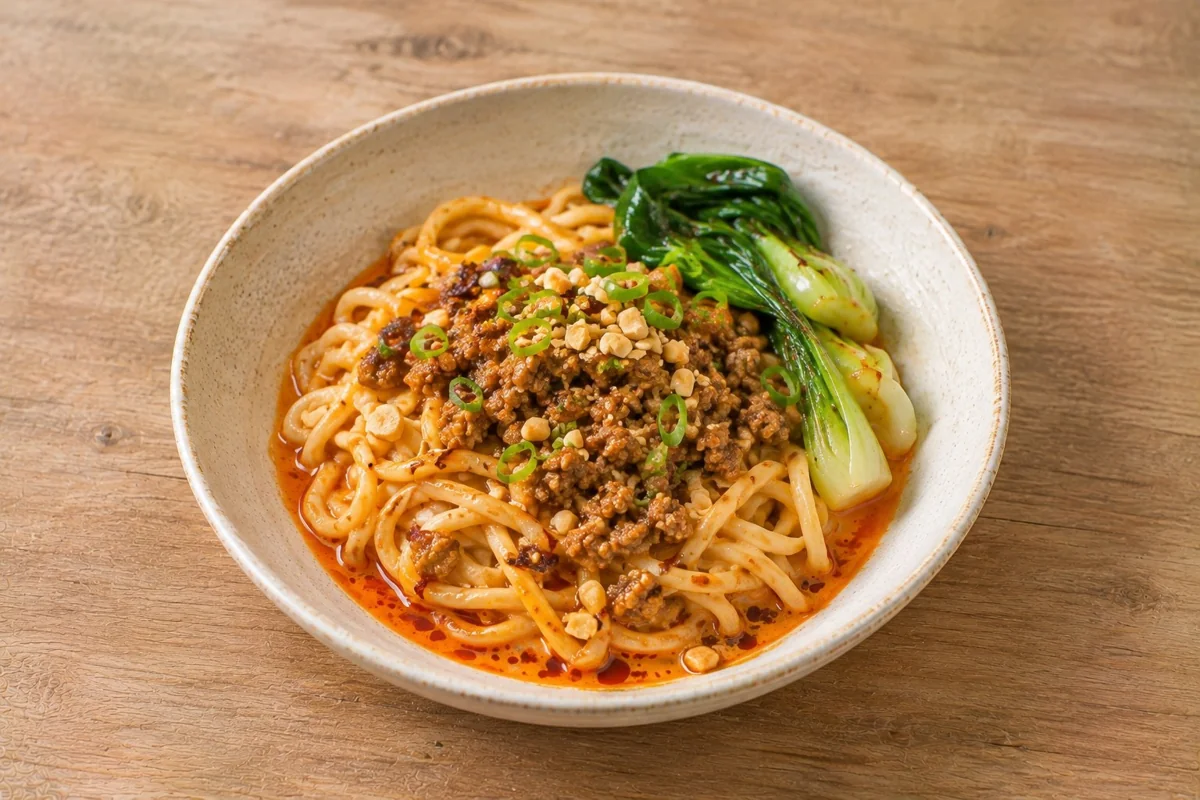
Dan Dan Noodles
Sichuan's famous street noodles: savoury crispy pork, tingly chilli oil and creamy sesame sauce over springy noodles and greens.
25 min · Chinese · Dairy free
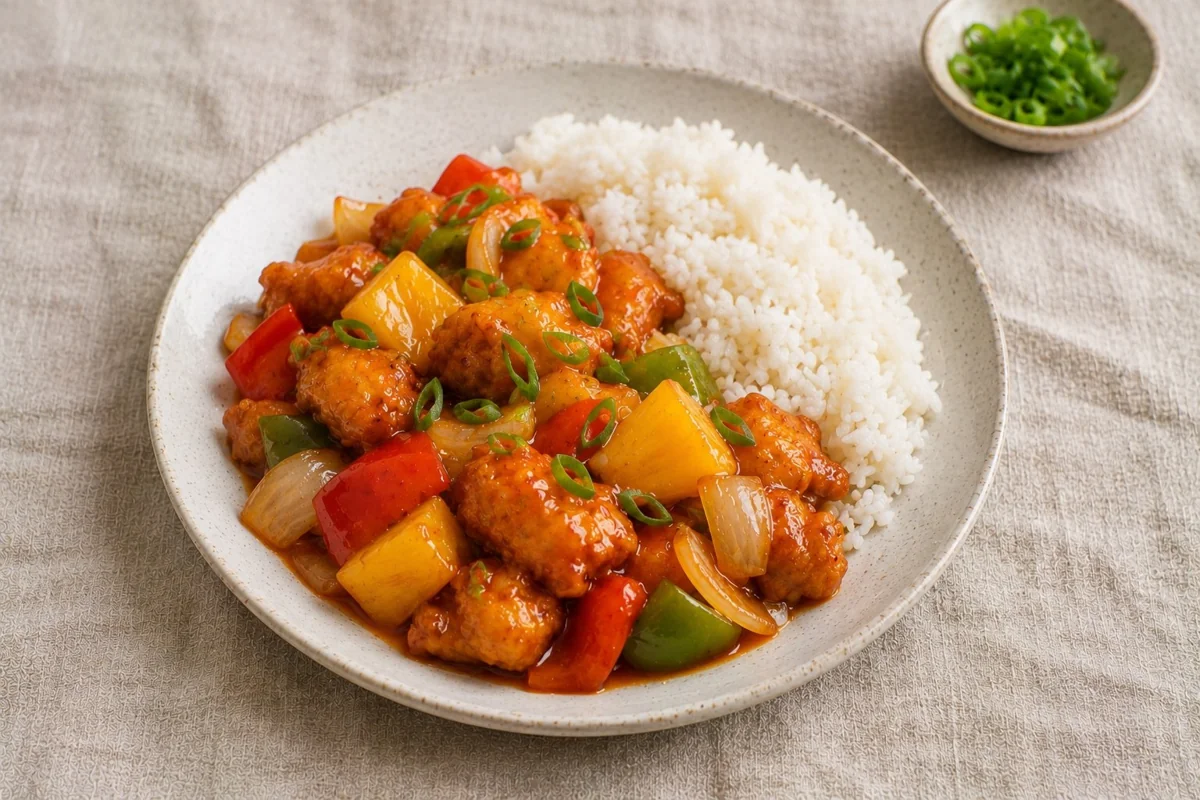
Sweet & Sour Chicken
Crispy chicken pieces with pineapple and peppers in a bright, tangy sweet and sour sauce. A family takeaway favourite made fresh.
30 min · Chinese · Dairy free, High protein
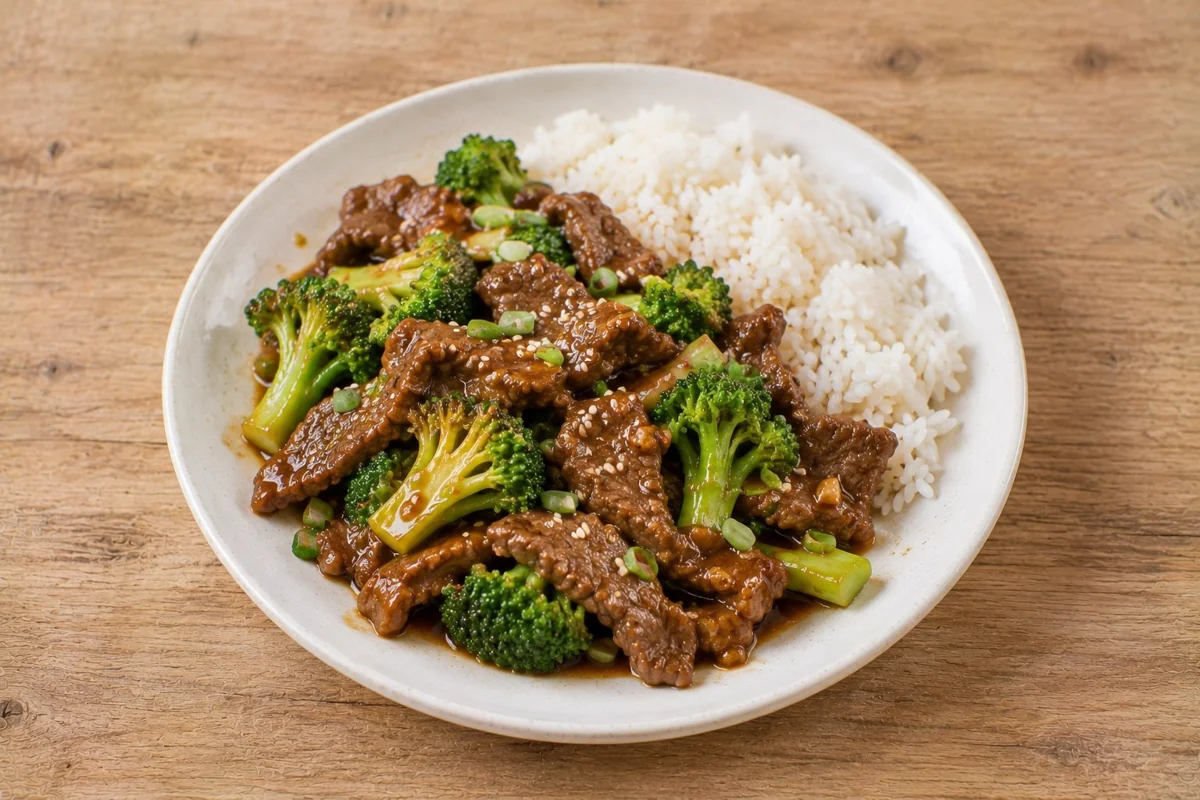
Beef & Broccoli Stir-Fry
Tender beef and crisp broccoli in a glossy garlic-ginger oyster sauce. The takeaway classic, faster at home.
20 min · Chinese · Dairy free, High protein
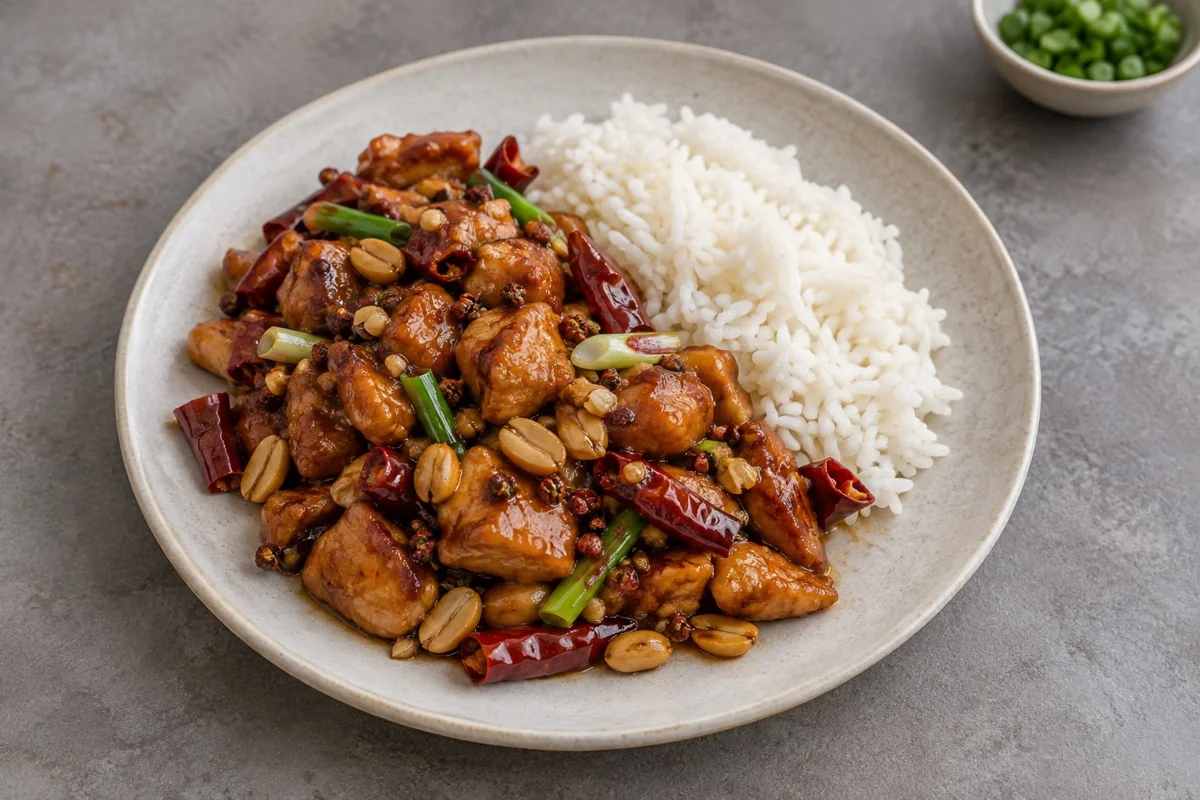
Kung Pao Chicken
Sticky, tingly, sweet-and-sour chicken with crunchy peanuts and dried chillies. Faster than ordering takeaway, and tastier too.
20 min · Chinese · High protein, Dairy free
Can't choose between these? Spin the dinner wheel and let Salty pick one.
What Chinese home cooking is really like
Chinese home cooking isn't one fixed menu, and restaurant favourites show only part of the picture. A home dinner might centre on rice with a vegetable dish, eggs or tofu, rather than several elaborate mains. Tomato and egg is a good reminder that familiar ingredients can carry the meal without a deep-fryer or a lengthy shopping list.
For this collection, Sichuan versus Cantonese is a useful flavour compass, not a strict divide. Sichuan cooking is known for chilli heat and the tingling sensation of Sichuan peppercorns, although it also includes mild food. Cantonese cooking often gives more space to an ingredient's own flavour through techniques such as steaming and quick stir-frying; it isn't simply Sichuan cooking with the chilli removed.
Use that contrast to decide what sounds appealing: a bold sauce with rice, or something gentler with contrasting textures. A solo diner can choose one satisfying bowl; a couple can share a main and vegetables. Families needn't recreate a restaurant spread. If you're combining home-prepared food with a takeaway, choose complementary flavours rather than doubling up on every component. A mild dish beside a spicy favourite gives everyone somewhere to start.
Pantry staples to buy once
Build the cupboard around the dinners you'll actually choose. Soy sauce, rice vinegar and a little sugar offer a useful savoury, sharp and sweet starting point; rice and dried noodles provide flexible bases. Cornflour can help thicken a stir-fry sauce. Buy manageable bottles rather than treating the pantry as a collecting hobby: condiments still have storage instructions and use-by guidance.
If Sichuan flavours appeal, explore dried chillies, Sichuan peppercorns and chilli-bean paste. They do different jobs: heat, tingle and fermented savouriness aren't interchangeable. Check the recipe before buying a paste, because products vary. For gentler, Cantonese-inspired cooking, ginger, garlic and oyster sauce are useful directions to explore, though ginger and garlic belong on the fresh shopping list.
For mixed diets, a mushroom-based stir-fry sauce may be a practical alternative to oyster sauce; it won't taste identical, and its ingredients need checking. Keep peanuts and sesame products separate if you plan to offer optional toppings. When allergies matter, check each recipe's allergen list and ingredient labels. Salty's cupboard rule: buy for the next dinner first, then let repeat favourites earn their shelf space.
Classic dishes explained
Kung Pao Chicken brings sticky, tingly, sweet-and-sour chicken together with crunchy peanuts and dried chillies. This hot, 20-minute option is marked for confident cooks. Rice and vegetables make useful partners when you want something alongside its punchy sauce.
Mushroom Mapo Tofu is a vegan spin on a Sichuan icon, using silky tofu and savoury minced mushrooms in a fiery, numbing chilli-bean sauce. It takes 25 minutes and suits confident cooks. For a mixed-diet table, it offers a plant-based centrepiece to serve with rice.
Dan Dan Noodles combines crispy pork, tingly chilli oil, creamy sesame sauce, springy noodles and greens. These hot Sichuan street noodles take 25 minutes and are another confident-cook choice; pick them when texture matters as much as heat.
Prawn Egg Fried Rice takes a milder route with prawns, fluffy egg, peas and spring onions. It's a beginner-friendly, 15-minute, one-pot dinner, useful when a rice-based meal appeals but a fiery sauce doesn't.
Sweet & Sour Chicken pairs crispy chicken with pineapple and peppers in a bright, tangy sauce. This mild, beginner-friendly takeaway favourite takes 30 minutes. Its sweet-sharp balance offers a different direction from the collection's chilli-led dishes, without making it a stand-in for all Cantonese cooking.
Chinese Tomato & Egg Stir-Fry puts fluffy scrambled eggs into a sweet-tangy tomato sauce over rice. Mild, vegetarian and beginner-friendly, this 15-minute dinner is the home-comfort choice rather than a restaurant-style showpiece.
Making Chinese food family-friendly or milder
Start with a naturally mild recipe if your household doesn't enjoy heat. That is often more satisfying than stripping the defining flavours out of a fiery dish. Fried rice, sweet-and-sour flavours or tomato and egg give you gentler starting points; chilli oil can stay on the table for anyone who wants it.
When adapting a hot recipe, reduce dried chillies or chilli oil gradually rather than replacing every spicy ingredient with sweetness. Sichuan peppercorns create tingle rather than chilli heat, so consider both sensations. Chilli-bean paste also supplies saltiness and savoury depth: using less may mean adjusting the seasoning. Rice can provide a plain contrast, but it doesn't remove chilli already mixed into a sauce.
For couples with different preferences, split the sauce before adding extra chilli. For families, offer rice and vegetables separately if that makes serving easier. Solo diners can keep optional toppings for another meal, following storage guidance. At a mixed-diet table, make the vegan tofu option a shared main rather than expecting everyone to eat meat. A smaller home-cooked contribution beside bought-in food is equally welcome; the goal is a dinner people can enjoy together.
Salty's top 3
#1
Chinese Tomato & Egg Stir-Fry
Salty's gentle starting point: a mild, vegetarian, beginner-friendly dinner with fluffy eggs and sweet-tangy tomatoes, ready in 15 minutes.
#2
Mushroom Mapo Tofu
For confident cooks craving Sichuan heat, this vegan, one-pot combination of silky tofu and savoury mushrooms takes 25 minutes.
#3
Prawn Egg Fried Rice
A mild, beginner-friendly pick that brings prawns, egg, peas and spring onions together in one pot in 15 minutes.
FAQ
What are the easiest Chinese dinners to make at home?
Chinese Tomato & Egg Stir-Fry and Prawn Egg Fried Rice are beginner-friendly options that take 15 minutes. Beef & Broccoli Stir-Fry is another mild, beginner-friendly choice, taking 20 minutes. Choose the ingredients you fancy, then read the recipe before starting so chopping and sauce preparation don't interrupt cooking at the hob.
What is the difference between Sichuan and Cantonese food?
Sichuan cooking is particularly known for chilli heat, Sichuan peppercorn tingle and bold seasoning, but not every dish is spicy. Cantonese cooking often emphasises ingredients' own flavours, with steaming and stir-frying among its techniques. These are broad regional tendencies, not rigid rules: a mild Chinese dish isn't automatically Cantonese.
What ingredients do I need for Chinese cooking at home?
Start with the recipe you want to eat rather than buying a complete cupboard at once. Soy sauce, rice vinegar, rice or noodles, ginger and garlic are useful foundations. Sichuan dishes may call for specialist ingredients such as chilli-bean paste or Sichuan peppercorns. Check each recipe's allergen list and ingredient labels when shopping.
How can I make Chinese food less spicy?
Choosing a naturally mild dish is the simplest approach: tomato and egg, prawn egg fried rice and sweet-and-sour chicken are mild options in this collection. When adapting hotter food, reduce chilli separately from Sichuan peppercorns, which create tingle. Offer extra chilli at the table, and remember that chilli-bean paste contributes seasoning as well as heat.
Can I use leftover rice for Chinese fried rice?
Leftover rice can work well for fried rice because chilled grains tend to separate more easily. Food safety matters: cool cooked rice quickly, ideally within an hour, then refrigerate and use within 24 hours. Reheat only once, until steaming hot throughout. Rice left sitting at room temperature isn't rescued by frying it.
Text last updated
More collections
Not sure which one?
Tell Salty who's eating and get dinners that fit everyone.
Get personalized ideas