
Indonesian dinner recipes
These Indonesian dinner recipes bring sweet-savoury kecap manis, punchy sambal and peanut-sauced satay to your dinner plans. Choose quick fried rice or noodles, a colourful vegetarian plate, or slow-cooked beef rendang when you have longer to spare.
This collection gathers 5 dinners with clear timings, spice levels and dietary details, so you can choose by the evening you actually have. The difference is in the practical decisions: which condiments earn their cupboard space, where chilli can stay optional, and how to serve people who want different things from the same meal. You needn't be a keen cook to find a useful starting point; even choosing a takeaway or assembling rice, vegetables and a favourite sauce gets easier when the dishes make sense. Salty's starting suggestion? Pick your base, decide how much heat you fancy, and let dinner take shape from there.
Narrow it down
5 recipes

Nasi Goreng with Chicken & Fried Egg
Indonesia's beloved fried rice: smoky, sweet-savoury kecap manis rice with chicken, topped with a crispy fried egg and fresh cucumber.
20 min · Indonesian · Dairy free, High protein
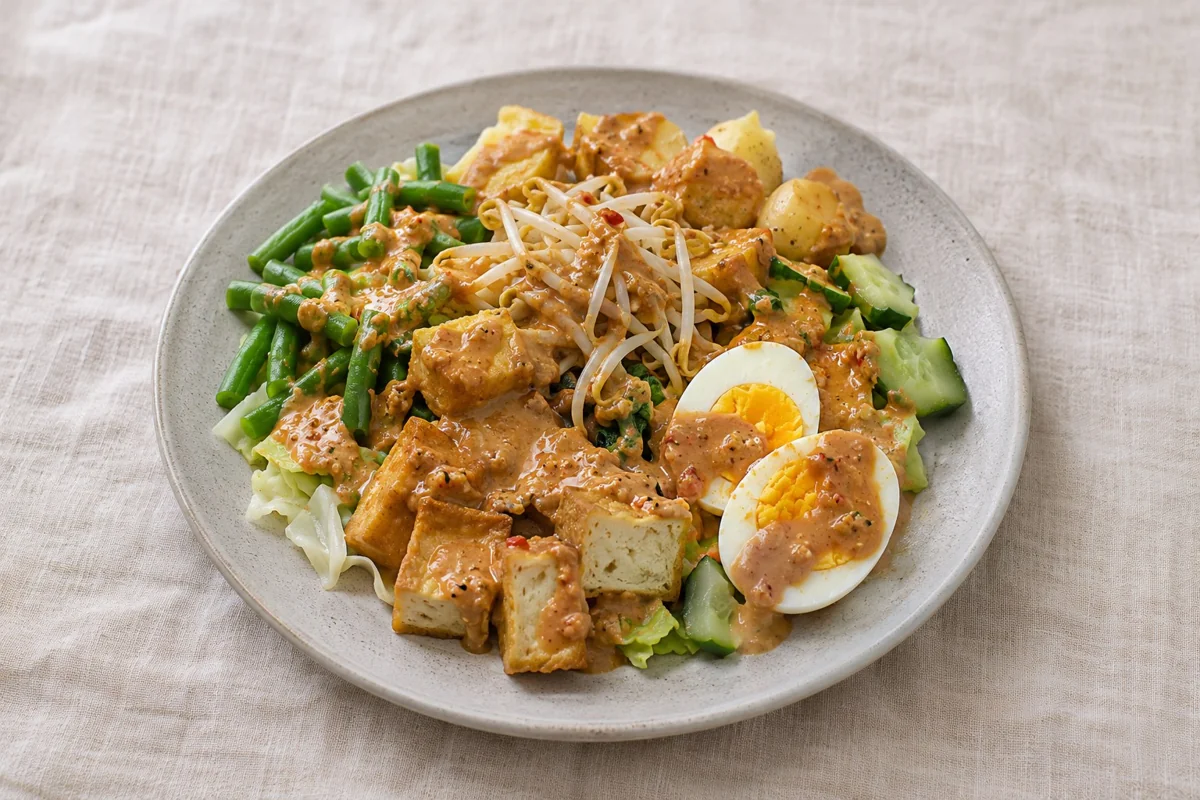
Gado-Gado with Peanut Sauce
A colourful Indonesian salad of blanched veg, crispy tofu, eggs, and potatoes, smothered in a creamy, tangy peanut sauce.
30 min · Indonesian · Vegetarian, Gluten free
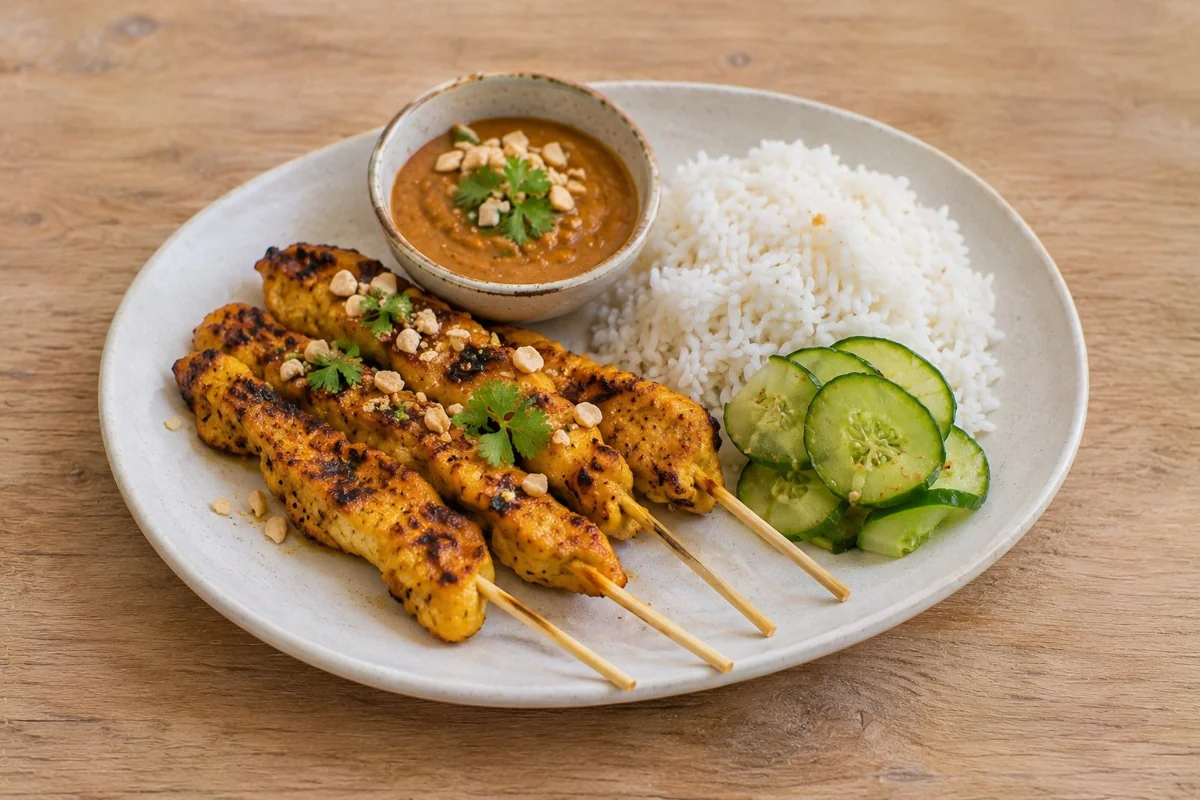
Chicken Satay with Peanut Sauce
Turmeric-marinated chicken skewers, charred and served with creamy peanut sauce, rice and cucumber. A crowd-pleaser for all ages.
30 min · Indonesian · Dairy free, High protein
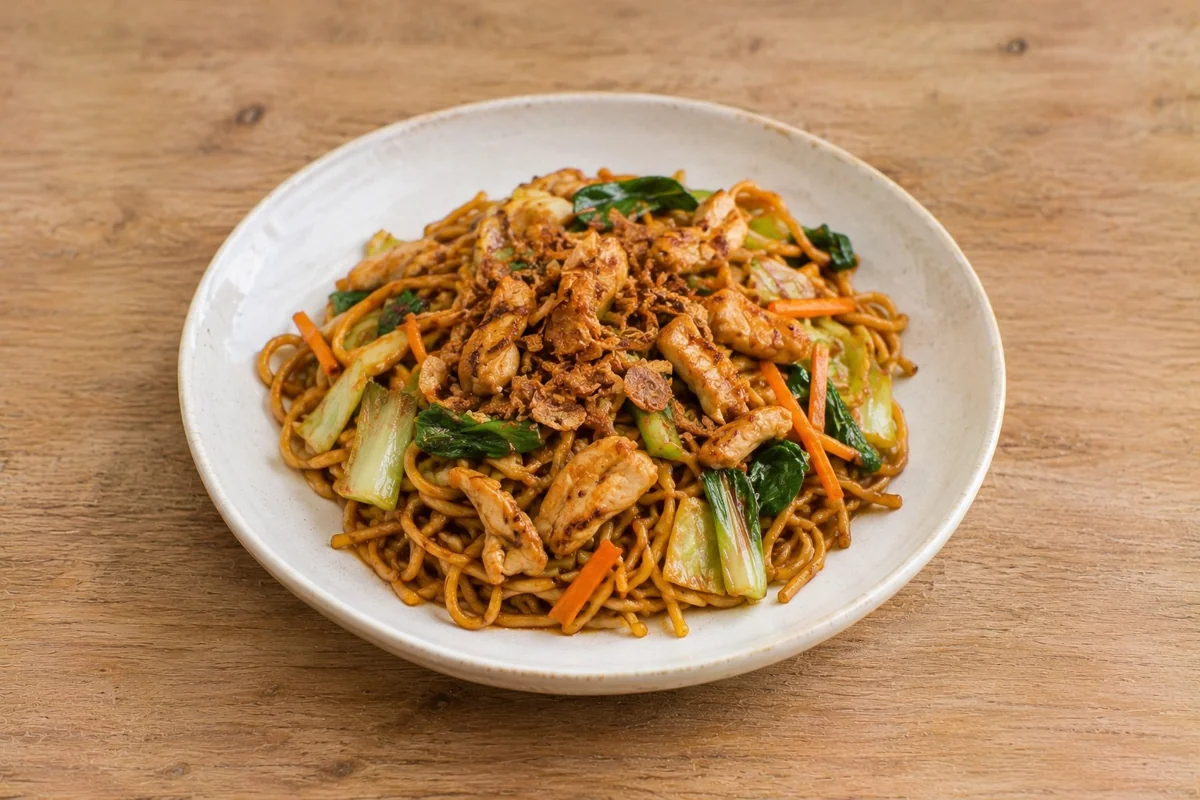
Mie Goreng (Indonesian Fried Noodles)
Smoky, sweet-savoury fried egg noodles with chicken, cabbage and a kick of sambal. Indonesian street food in 20 minutes.
20 min · Indonesian · Dairy free, High protein
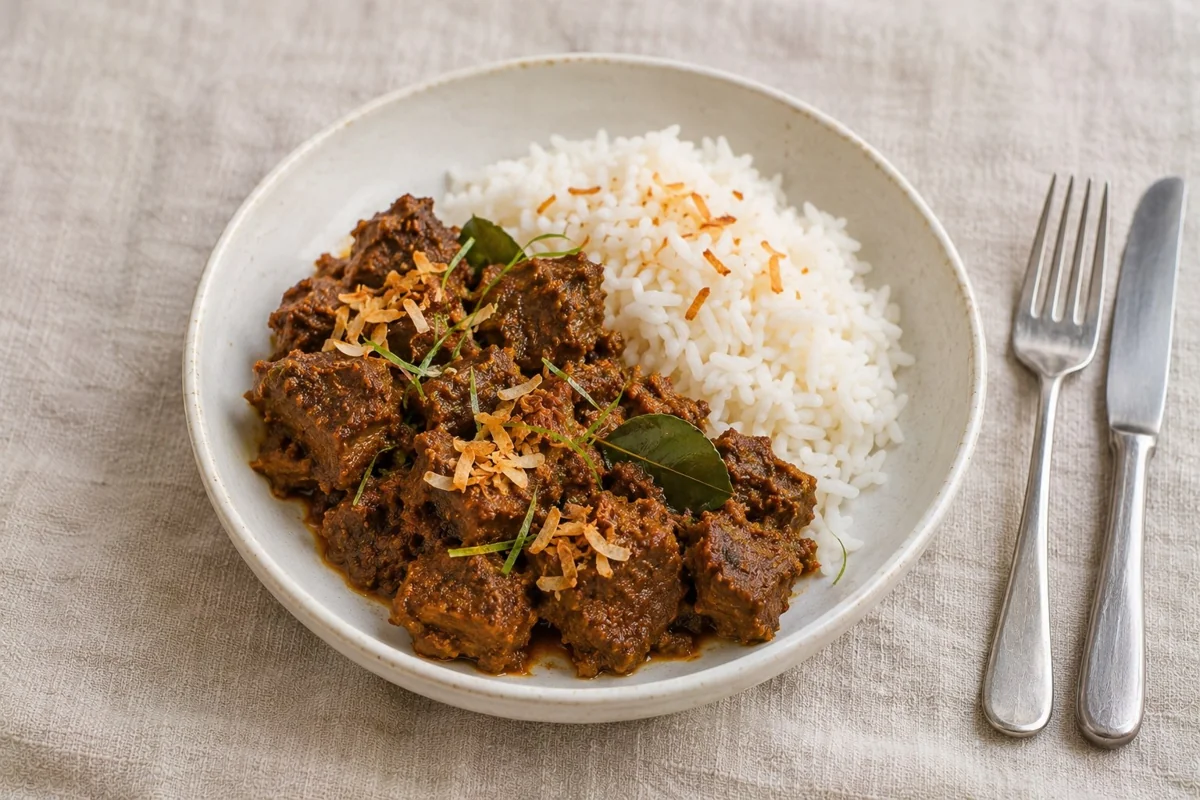
Beef Rendang
Indonesia's legendary slow-cooked dry curry: beef simmered in coconut milk and spices until the sauce caramelises around every piece. Weekend magic.
150 min · Indonesian · Gluten free, Dairy free
Can't choose between these? Spin the dinner wheel and let Salty pick one.
More coming soon — Salty is cooking 🧂
What Indonesian home cooking is really like
Indonesian home cooking isn't a single menu: ingredients and habits vary across regions and households. Restaurant favourites offer an introduction, but everyday dinner can be a straightforward combination of rice, vegetables, protein and a condiment that gives everything direction. A table doesn't need a parade of dishes to feel complete.
This collection shows several ways that works. Fried rice and noodles bring the main ingredients together, while gado-gado gathers vegetables, potatoes, tofu and eggs beneath peanut sauce. Rendang takes a different route, using a long simmer to build its concentrated coating of coconut milk and spices. Quick doesn't mean flavourless, and slow doesn't have to mean every evening.
For a solo dinner, choose a dish whose quantities are easy to scale and buy vegetables you'll also use elsewhere. For a couple, agree on the base and add sambal individually. If you're assembling rather than cooking everything, plain cooked rice and prepared vegetables can take some work off your plate. Treat these recipes as approachable introductions, not a complete portrait of Indonesia's varied food traditions.
Pantry staples to buy once
Kecap manis is a thick, sweet Indonesian soy sauce that brings the sweet-savoury character found in this collection's fried rice. Buy a bottle if that flavour appeals; ordinary soy sauce alone won't give the same sweetness or consistency. In a pinch, soy sauce sweetened with a little brown sugar can approximate the balance, though it isn't an identical replacement. Add gradually and taste.
Sambal is a chilli condiment, and different jars can vary considerably in heat and ingredients. Start small rather than assuming every spoonful behaves alike. Serving it separately makes one jar useful across a table of chilli enthusiasts and cautious tasters. Follow the label's storage instructions after opening.
For the satay and gado-gado direction, peanuts or peanut butter are useful sauce ingredients; follow the chosen recipe before buying. Coconut milk belongs on the shopping list for rendang, while turmeric supplies the seasoning direction for the satay marinade. Rice and noodles give you flexible bases, but fresh ingredients still matter. Buy for the dish you'll actually eat, not an imaginary fully stocked kitchen. Check each recipe's allergen list and ingredient labels, particularly sauces and condiments.
Classic dishes explained
Nasi Goreng with Chicken & Fried Egg is the quick rice option: chicken and sweet-savoury kecap manis rice, topped with a crispy fried egg and fresh cucumber. This beginner recipe takes 20 minutes and has medium heat. It's a useful starting point if rice already features regularly in your dinners.
Gado-Gado with Peanut Sauce makes the vegetables central without leaving the plate bare. Blanched vegetables, crispy tofu, eggs and potatoes meet a creamy, tangy peanut sauce. The vegetarian recipe takes 30 minutes and is served fresh or at room temperature, rather than piping hot.
Chicken Satay with Peanut Sauce pairs turmeric-marinated chicken skewers with peanut sauce, rice and cucumber. This 30-minute beginner version uses the hob, so a barbecue isn't required. Its separate components suit a shared table where people prefer to arrange their own plates.
Beef Rendang is the longer project: beef simmers in coconut milk and spices until the sauce caramelises around it. Allow 150 minutes for this hot, adventurous recipe. Choose it when the cooking window matters less than settling down to a rich, comforting dinner.
Mie Goreng (Indonesian Fried Noodles) brings chicken, cabbage and egg noodles together with sweet-savoury flavour and sambal. It's a 20-minute, beginner-friendly option with medium heat: a useful alternative when the household votes noodles rather than rice.
Making Indonesian food family-friendly or milder
Start by separating chilli heat from the other flavours. Kecap manis brings sweetness and savouriness; turmeric adds earthy flavour; neither needs extra chilli to earn its place. Where a recipe allows, reduce the added sambal or chilli during cooking and offer more at the table. The listed recipes are medium or hot, so don't assume an unchanged version will taste mild.
For family plates, keep rice, cucumber and sauce separate if that helps people explore at their own pace. Let peanut sauce be a dip rather than pouring it over everything. This changes the serving style, not the expectation that everyone must enjoy the same mouthful.
For mixed diets, gado-gado is the collection's vegetarian choice, with tofu and eggs. If adapting a chicken dish with tofu, check the whole ingredient list rather than assuming a protein swap makes it vegetarian. Couples can share the base and finish their portions differently; solo diners can adjust the chilli to taste. Peanut sauce isn't suitable for everyone: check each recipe's allergen list and ingredient labels before choosing a dish or considering a sauce substitution.
Salty's top 3
#1
Nasi Goreng with Chicken & Fried Egg
Salty picks this 20-minute beginner dinner for its sweet-savoury rice, chicken and crispy fried egg.
#2
Gado-Gado with Peanut Sauce
Tofu, eggs, potatoes and colourful vegetables make this vegetarian dinner a satisfying change from fried rice.
#3
Chicken Satay with Peanut Sauce
Turmeric-marinated chicken, peanut sauce and cucumber bring satay appeal to a beginner-friendly hob dinner in 30 minutes.
FAQ
What is an easy Indonesian dinner to make at home?
Nasi goreng and mie goreng are practical starting points for easy Indonesian food at home. The chicken versions in this collection both take 20 minutes and are suitable for beginners. Choose nasi goreng for rice with a fried egg, or mie goreng for egg noodles with chicken, cabbage and sambal.
What is kecap manis, and what can I use instead?
Kecap manis is a thick, sweet Indonesian soy sauce used to add sweet-savoury flavour. Ordinary soy sauce is thinner and less sweet, so it isn't a direct replacement. A little brown sugar mixed into soy sauce can approximate the flavour balance. Check each recipe's allergen list and ingredient labels before choosing a substitute.
Is Indonesian food always spicy?
Indonesian food isn't always intensely spicy; heat varies by dish and preparation. The recipes in this collection are rated medium or hot. For a milder adaptation, reduce added chilli or sambal where the method allows, then serve extra separately. Rice and cucumber offer a contrasting mouthful, but they don't remove chilli already cooked into a sauce.
What do you serve with Indonesian chicken satay?
The chicken satay in this collection comes with creamy peanut sauce, rice and cucumber. That combination gives you a base, a sauce for dipping and a fresh contrast to the charred chicken. For people who prefer separate components, serve the sauce alongside. Check the recipe's allergen list and ingredient labels, especially for peanuts, soy and wheat.
Which Indonesian dinner is suitable for vegetarians?
Gado-gado is the vegetarian option in this collection. It combines blanched vegetables, crispy tofu, eggs and potatoes with a creamy, tangy peanut sauce, and takes 30 minutes. It isn't presented as vegan because it includes eggs. For allergies or other dietary requirements, check the recipe's allergen list and every ingredient label before preparing it.
Text last updated
More collections
Not sure which one?
Tell Salty who's eating and get dinners that fit everyone.
Get personalized ideas