
Indian dinner recipes
These Indian dinner recipes bring dals, vegetable curries, chicken and seafood dishes into your dinner plans, with approachable options starting at 25 minutes. For easy Indian food at home, start with a lentil or chickpea curry, add rice, and adjust the chilli to suit your table.
Salty has gathered 8 dinners around useful choices: how much time you have, who’s eating and which ingredients earn their cupboard space. The focus is on understanding the dishes, not collecting a shelf of spices before you can begin. You’ll find an explanation of tadka, that sizzling finish that gives dal its fragrant lift, alongside ideas for feeding households with different tastes and diets.
Indian food covers many regional traditions, so this collection is a starting point rather than a complete map. Cook a curry, use ready-cooked rice or assemble a shared spread around an ordered dish: dinner doesn’t need an entrance exam.
Narrow it down
8 recipes
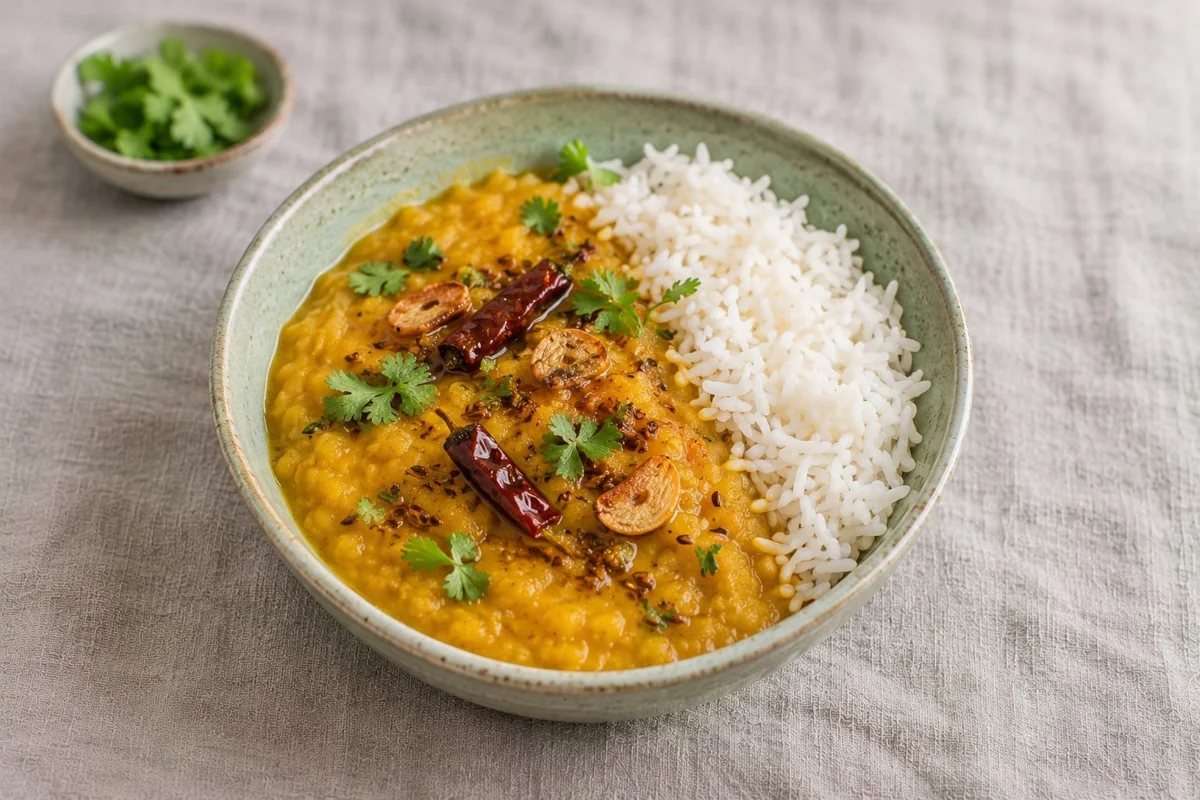
Dal Tadka
Golden, creamy yellow lentils finished with a sizzling tadka of cumin, garlic and chilli. India's everyday comfort and a vegan staple.
30 min · Indian · Vegan, Vegetarian
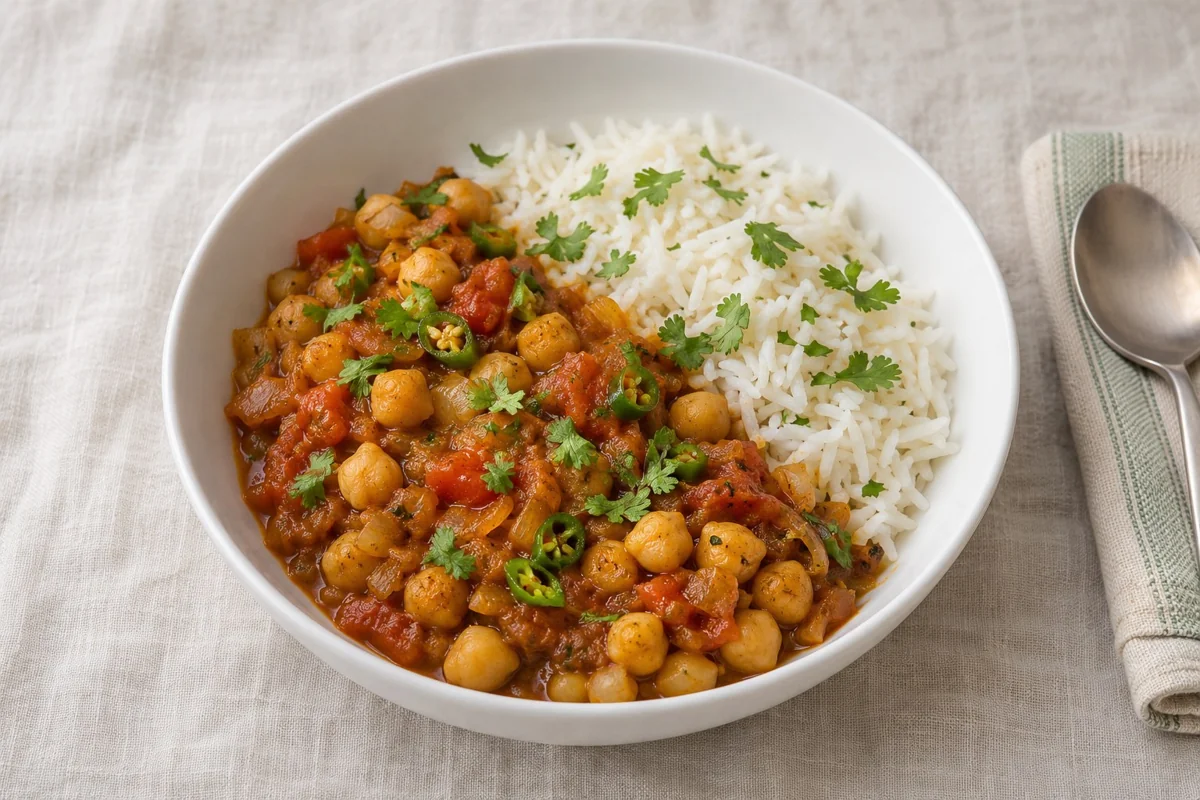
Weeknight Chana Masala
Tangy, warmly spiced chickpea curry that's on the table in 25 minutes. Budget-friendly, vegan, and one of those dinners everyone goes back for.
25 min · Indian · Vegan, Vegetarian
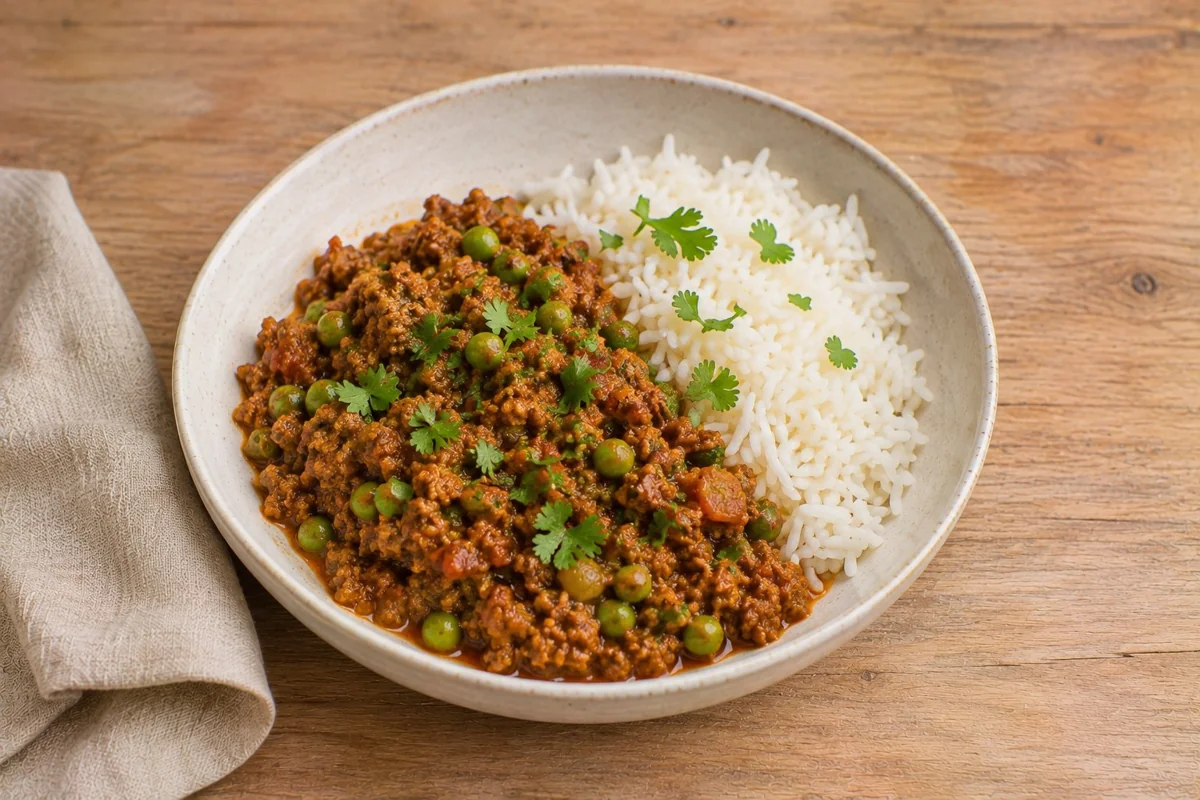
Keema Matar
Spiced minced lamb with sweet peas, ginger and garam masala. A homely Indian one-pan dinner that's great for meal prep.
30 min · Indian · Gluten free, Dairy free
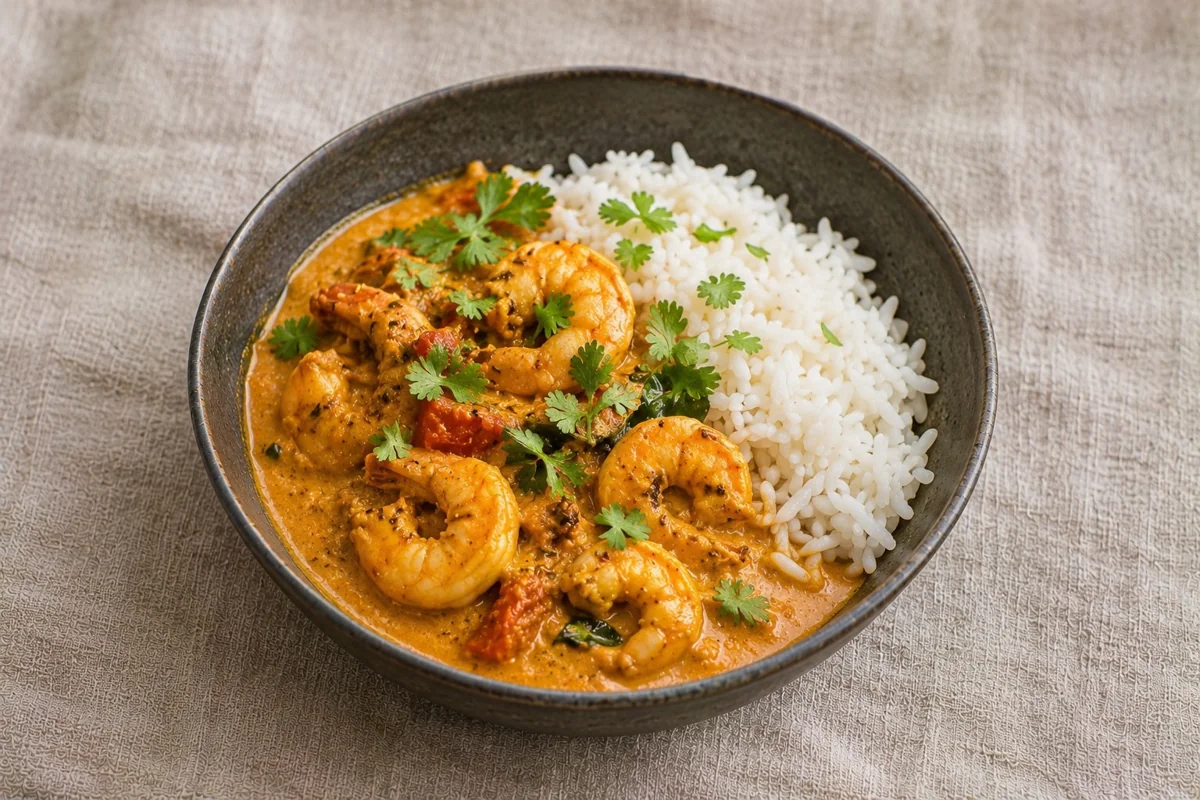
Goan Prawn Curry
Tangy, coconutty prawn curry with tamarind and gentle heat. Sunny Goan beach vibes on a Tuesday.
25 min · Indian · Pescatarian, Gluten free
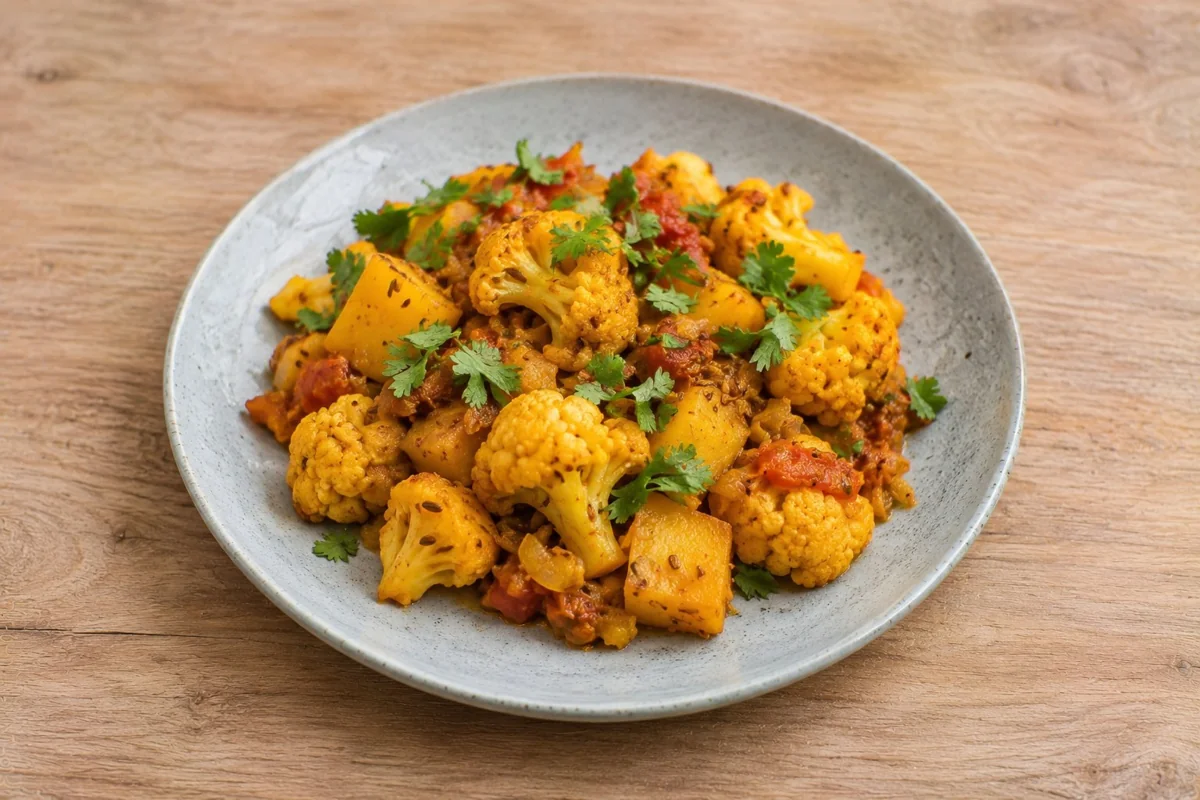
Aloo Gobi
Cauliflower and potatoes cooked with turmeric, ginger and warm spices until golden and tender. A cozy, budget-friendly vegan classic.
35 min · Indian · Vegan, Vegetarian
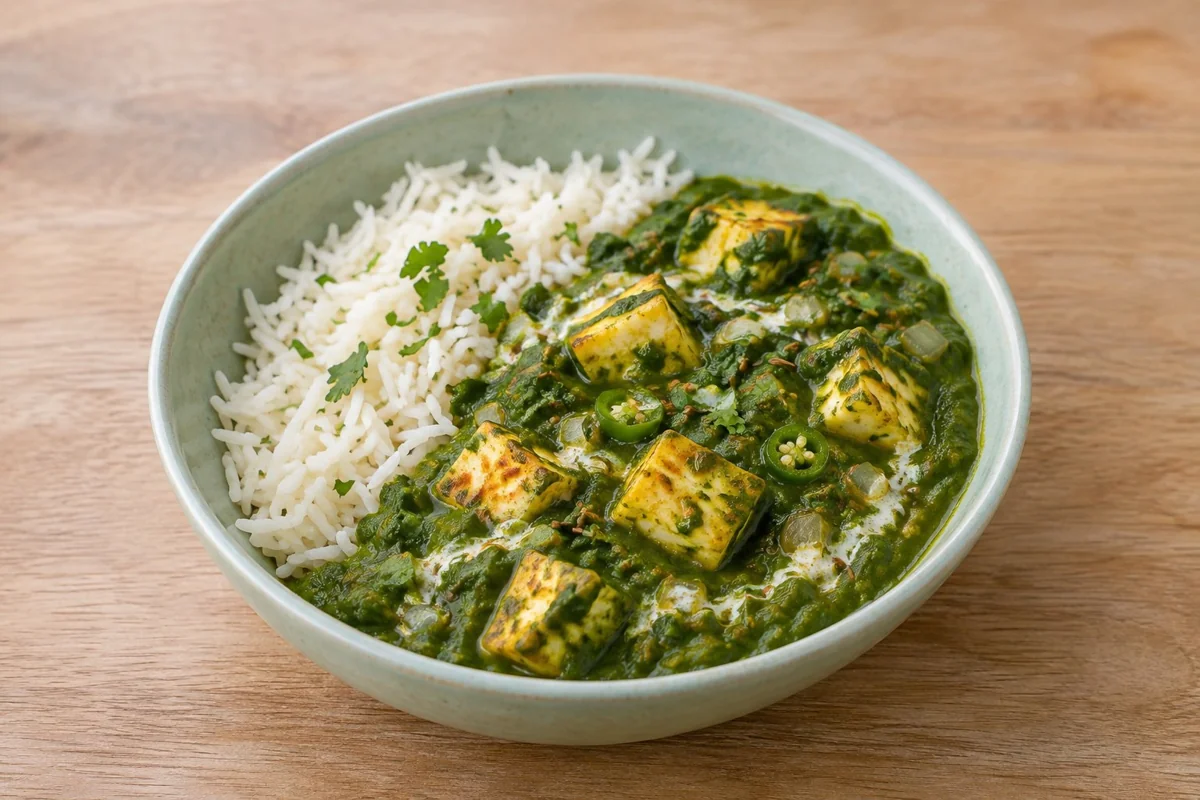
Palak Paneer
Golden cubes of paneer in a vibrant, velvety spiced spinach sauce. A vegetarian curry-house classic that's easy at home.
30 min · Indian · Vegetarian, Gluten free
Weeknight Chicken Tikka Masala
Tender spiced chicken in a creamy, gently warming tomato sauce. Serve with basmati rice and warm naan for a crowd-pleasing curry night.
35 min · Indian · High protein, Gluten free
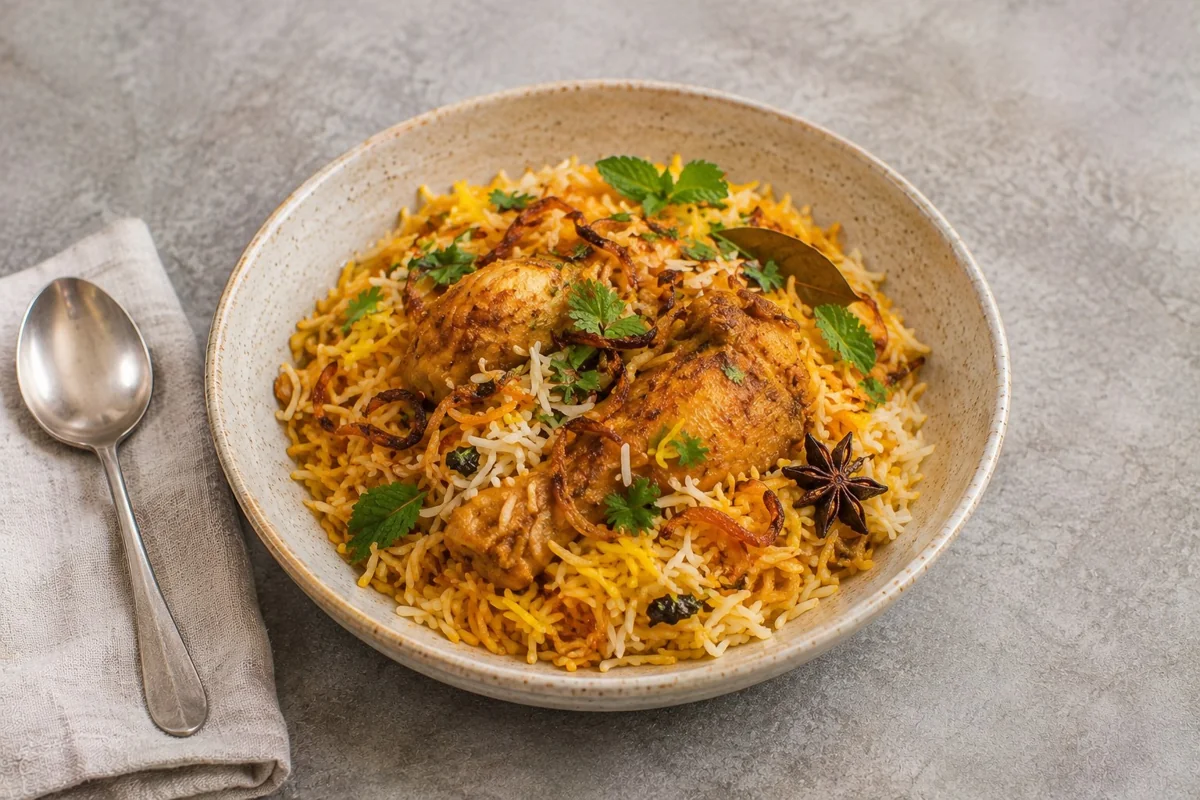
Chicken Biryani
Fragrant layers of spiced yoghurt chicken and saffron basmati with crispy onions and fresh herbs. A weekend celebration in one pot.
75 min · Indian · Gluten free, High protein
Can't choose between these? Spin the dinner wheel and let Salty pick one.
What Indian home cooking is really like
Indian home cooking varies enormously by region, household and season. A restaurant menu can offer a useful introduction, but it isn’t a blueprint for everyday dinner. Home meals often centre on dal, vegetables, rice or bread, with combinations shaped by what’s available. You don’t need several rich sauces or a basket of different breads to make a satisfying plate.
Dal refers to pulses and the dishes made from them. Its texture can range from loose and spoonable to thick enough to scoop with bread. Tadka is a technique: spices and aromatics sizzle in hot fat, releasing their flavour before being added to a dish. It can begin the cooking or provide a final flourish; this collection’s lentil dish uses it as a finish.
For a solo dinner, one dal with rice can be the whole plan. A couple might add vegetables, while a family can put the components on the table separately. If you’re ordering the main dish, simply adding rice or vegetables at home still gives you room to shape dinner around your household.
Pantry staples to buy once
Think of “buy once” as building a cupboard you’ll revisit, not buying ingredients that last forever. Start with rice, lentils, tinned chickpeas and tomatoes, then choose spices around the dishes you actually want. Cumin, turmeric and garam masala are useful foundations. Small packets make sense if you cook these meals occasionally; store spices sealed, away from heat and light.
Ginger, garlic and onions do plenty of flavour work without relying on chilli. Frozen ginger or garlic can be convenient substitutes for fresh when preparing your own curry base. Keep coconut milk if coconut-based curries appeal, rather than buying it for every Indian dish. Tamarind and saffron can wait until a chosen recipe calls for them.
For tadka, measure everything before heating the pan. Spices can move quickly from fragrant to burnt, so keep your attention on the hob and add ingredients carefully to avoid splashes. Oil can replace ghee when you want a dairy-free tempering, although you should still check the complete recipe. For mixed-diet households, keeping dairy garnishes separate makes a shared plant-based base easier to serve.
Classic dishes explained
Dal Tadka pairs creamy yellow lentils with a sizzling finish of cumin, garlic and chilli. This beginner-friendly, vegan dinner takes 30 minutes and shows how a final spoonful of aromatic oil can give a simple base extra character. Rice is its listed companion.
Weeknight Chana Masala is a tangy chickpea curry rather than a creamy dairy-based dish. It’s vegan, beginner-friendly and ready in 25 minutes, making it a useful choice when you want a straightforward one-pot main. Choose it when beans sound more appealing than lentils.
Palak Paneer brings golden paneer cubes into a velvety spinach sauce. This vegetarian option takes 30 minutes and suits a more confident cook. Paneer is cheese, so this isn’t the dairy-free choice for a shared table.
Aloo Gobi puts cauliflower and potatoes at the centre, with turmeric, ginger and warm spices. The beginner-friendly vegan dish takes 35 minutes. It offers a different texture from a bowl of lentils or a saucy curry.
Goan Prawn Curry combines prawns, coconut and tamarind for a tangy, gently hot dinner. This dairy-free, pescatarian option takes 25 minutes and suits beginners. Serve it with rice to catch the sauce.
Weeknight Chicken Tikka Masala is the creamy tomato-and-chicken option for a curry-house-style evening at home. It takes 35 minutes and is beginner-friendly, with medium spice and milk among its allergens. Basmati rice makes a natural accompaniment.
Making Indian food family-friendly or milder
Every recipe in this collection is marked medium spice, so treat “milder” as an adjustment rather than a promise. Reduce chilli first, while keeping fragrant spices such as cumin and turmeric. Garam masala blends vary, so check what yours contains before adding it. Removing all the spices can flatten the dish without helping you understand which ingredient supplied the heat.
With a finishing tadka, you can prepare the cumin and garlic in oil, set aside a chilli-free portion, then make a separate chilli finish for those who want it. Keep children away from the hot pan and serve the finished toppings with separate spoons. Salty’s vote: let people choose their own finishing heat.
Plain rice and a cooling yoghurt accompaniment can soften the experience of a spicy mouthful; choose a suitable plant-based alternative when avoiding dairy. For couples with different preferences, divide the curry before adding extra chilli. For families or mixed diets, a vegan main with separate accompaniments can simplify serving. Dietary needs still require attention: check each recipe’s allergen list and ingredient labels, including those on breads, yoghurt alternatives and spice blends.
Salty's top 3
#1
Dal Tadka
Salty’s pick for lentil comfort: this beginner-friendly vegan dal takes 30 minutes and finishes with sizzling cumin, garlic and chilli.
#2
Weeknight Chana Masala
A tangy, budget-friendly chickpea curry that earns its weeknight spot with a 25-minute cooking time and a beginner-friendly, one-pot approach.
#3
Keema Matar
Spiced minced lamb and sweet peas make this 30-minute, beginner-friendly dinner a practical pick for meal prep.
FAQ
What is the easiest Indian dinner to make at home?
Weeknight Chana Masala is a useful starting point: it’s a beginner-friendly, one-pot chickpea curry that takes 25 minutes. Dal Tadka is another approachable option, taking 30 minutes and using lentils with a fragrant finishing tadka. Choose the chickpea dish for tangy flavours or the dal for creamy lentil comfort.
What is tadka in Indian cooking?
Tadka is the technique of briefly sizzling spices and sometimes aromatics in hot oil or ghee to release their flavour. The mixture can start a dish or be poured over it at the end. Dal Tadka in this collection uses a finishing tadka of cumin, garlic and chilli over creamy yellow lentils.
How can I make Indian curry less spicy?
Reduce the chilli rather than removing every spice: cumin and turmeric contribute flavour without chilli heat. Keep extra chilli separate so diners can add their own. Rice and a cooling yoghurt accompaniment can help balance each mouthful. All recipes in this collection are rated medium, so milder results depend on your adjustments.
Which Indian dinners are vegan?
Dal Tadka, Weeknight Chana Masala and Aloo Gobi are vegan options in this collection. They centre on lentils, chickpeas, and cauliflower with potatoes respectively. Keep accompaniments suitable too: ghee, dairy yoghurt and some breads can change the meal’s suitability. If allergies are relevant, check each recipe’s allergen list and ingredient labels.
What should I serve with Indian curry for dinner?
Rice is a straightforward accompaniment for many curries in this collection, including the chicken, chickpea and prawn options. Bread can work for scooping, while vegetables add another texture to the table. You don’t need all three: choose an accompaniment that suits your appetite, dietary needs and how much preparation you want.
Text last updated
More collections
Not sure which one?
Tell Salty who's eating and get dinners that fit everyone.
Get personalized ideas