
Middle Eastern dinner recipes
These Middle Eastern dinner recipes bring eggs, spiced lamb, hummus and stuffed pita to the dinner table, with options ready in 20 or 25 minutes. For easy Middle Eastern food at home, start with a dish that suits your household, then add bread, crunchy vegetables or a spoonful of tahini as you fancy.
This collection gathers 3 dinners with a particular focus on mezze-style sharing, useful pantry ingredients and flavour without compulsory chilli. Middle Eastern food spans many distinct traditions; this is a small, approachable starting point, not a tour of the whole region. What makes it different is the help around the recipes: what to buy, how to use sumac, and how to serve the same components to people who want different things. Salty, our cheerful blue salt-shaker, is equally happy with a bubbling pan or a table built partly from shop-bought dips.
3 recipes
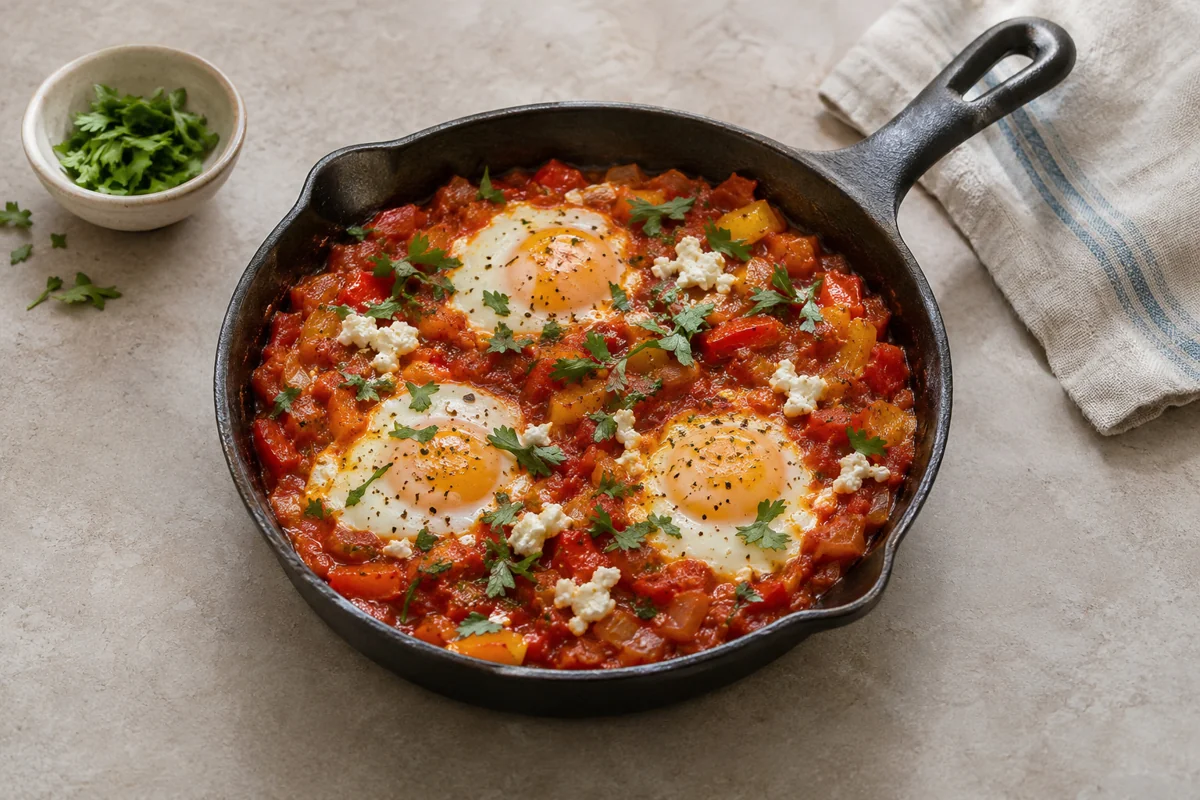
Weeknight Shakshuka
Eggs gently poached in a cumin-spiced pepper and tomato sauce, finished with fresh herbs. Mop it all up with warm flatbread.
25 min · Middle eastern · Vegetarian, Gluten free
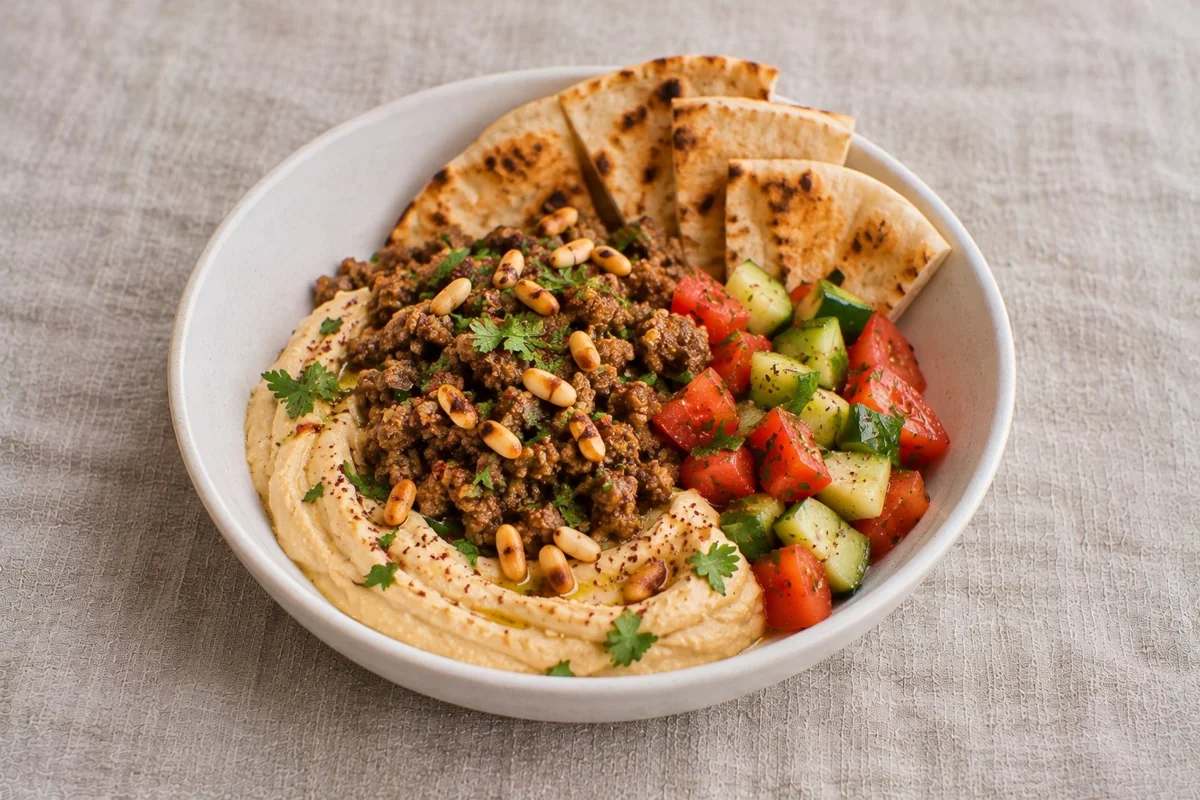
Hummus Bowl with Spiced Lamb
Creamy hummus topped with sizzling cinnamon-cumin lamb, toasted pine nuts and herbs, with warm pita for scooping.
20 min · Middle eastern · Dairy free, High protein
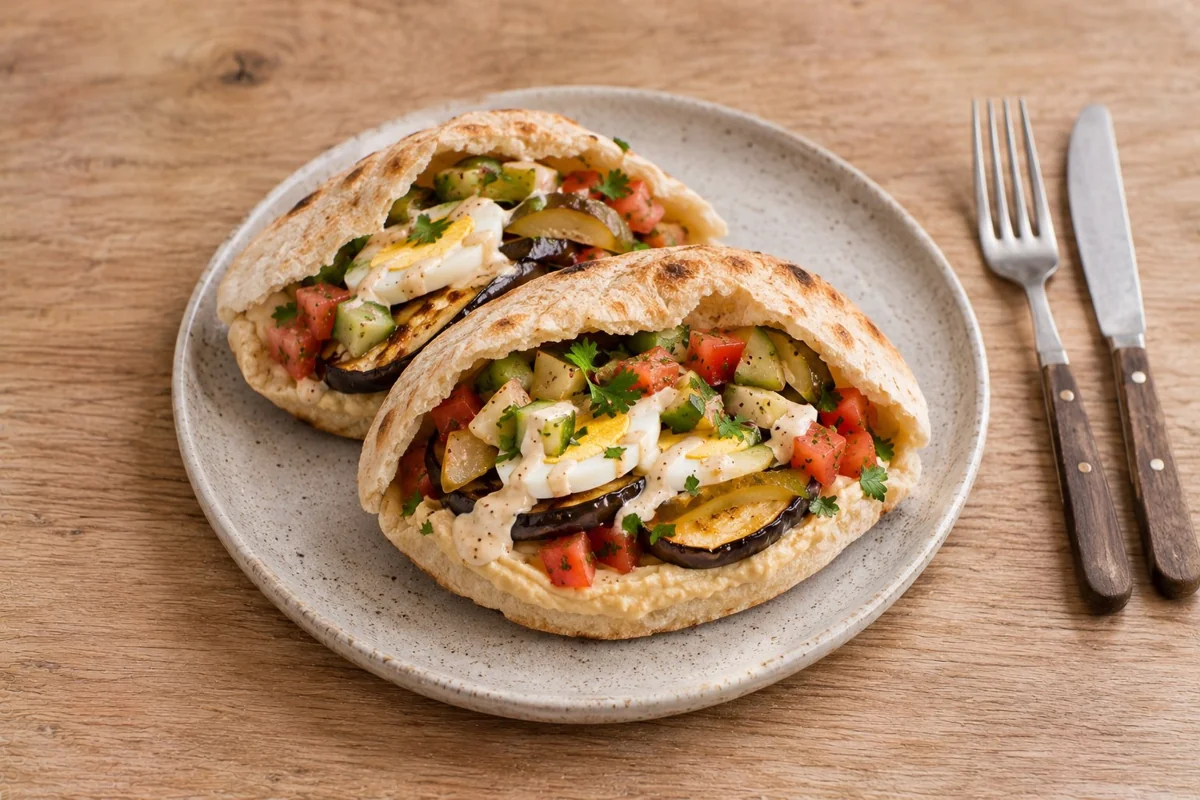
Sabich Pita
Israel's iconic street sandwich: fried aubergine, boiled eggs, hummus, tahini, crunchy salad and pickles stuffed in soft pita.
25 min · Middle eastern · Vegetarian, Dairy free
Can't choose between these? Spin the dinner wheel and let Salty pick one.
More coming soon — Salty is cooking 🧂
What Middle Eastern home cooking is really like
Middle Eastern home cooking varies enormously between countries, communities and households. A restaurant menu is only a snapshot: dinner at home need not involve a long procession of grilled meats, dips and elaborate sides. Eggs in tomato sauce, a filled pita or hummus with a warm topping can be the centre of the meal. Think about what you want to eat, rather than recreating an entire restaurant spread.
Mezze means small dishes served together, but you can borrow that sharing approach without making everything yourself. Put hummus, sliced cucumber, tomatoes, pickles and bread on the table, then choose a cooked element if you want one. Shop-bought dips can do useful work here; decanting them is entirely optional.
For a solo dinner, assemble your own plate and keep unused components separate. A couple can share a warm dish with salad alongside. Families may prefer bowls in the middle so everyone builds their own dinner. For mixed diets, keep meat toppings apart from vegetable components and use separate serving spoons. That flexibility is practical, not a test of authenticity.
Pantry staples to buy once
Build a small cupboard around ingredients you will actually use. Tahini, a sesame paste, works in dressings and sauces: stir it well, then loosen a spoonful with lemon juice and water. It may thicken initially; keep stirring and add water gradually. For a different dressing, plain yoghurt with lemon is an option, though it introduces dairy and will not give the same sesame flavour.
Sumac brings a tangy, citrus-like note rather than chilli heat. Sprinkle it over chopped tomatoes, cucumber or sliced onions just before serving. Lemon juice can supply acidity if you have no sumac, although it adds moisture rather than a dry finishing sprinkle. Ground cumin and cinnamon are useful starting spices; buy modest jars rather than a cupboard full of unfamiliar blends.
Tinned tomatoes and chickpeas offer a practical base for future meals, while pita can be frozen according to its packaging. Buy fresh herbs when you have a use planned. For smaller households, share ingredients across dinners: cucumber for a hummus bowl can also become sandwich crunch. Check storage instructions on opened jars, especially dips and tahini.
Classic dishes explained
Weeknight Shakshuka centres on eggs gently poached in a cumin-spiced pepper and tomato sauce, finished with fresh herbs. This beginner-friendly, one-pot dinner takes 25 minutes and has medium spice. It is listed as vegetarian, gluten-free and dairy-free; the suggested flatbread needs separate consideration if you avoid gluten. Choose it when you want a hot dinner from the hob rather than lots of components to assemble.
Hummus Bowl with Spiced Lamb pairs creamy hummus with cinnamon-cumin lamb, toasted pine nuts and herbs, with warm pita for scooping. It takes 20 minutes, is beginner-friendly and has mild spice. The recipe is dairy-free. At a mixed-diet table, serve the lamb separately from the hummus and salad so meat-eaters can add their own topping; anyone skipping lamb will be assembling a different plate, not following the listed recipe unchanged.
Sabich Pita is an Israeli street sandwich filled with fried aubergine, boiled eggs, hummus, tahini, crunchy salad and pickles. This mild, vegetarian, dairy-free option takes 25 minutes and is served fresh at room temperature. Set the fillings out separately for diners who prefer control over each bite. Salty's tip: pass extra napkins before the first enthusiastic scoop or overfilled pita.
Making Middle Eastern food family-friendly or milder
Start by separating aromatic spice from chilli heat. Cumin and cinnamon bring flavour without the burn of chilli, while sumac adds tartness. The hummus bowl and sabich are rated mild; the shakshuka is medium. If adapting a recipe, identify the hot ingredient before reducing it rather than removing every spice. Offer any extra chilli separately for diners who want more heat.
A build-your-own table helps with different appetites and preferences. Keep pickles, tahini sauce and herbs in small bowls, with cucumber and bread within reach. Children and adults who dislike mixed textures can have the components side by side. For couples with different tastes, finish individual portions differently instead of making separate dinners. A solo diner can dress only the portion being eaten.
Dietary changes need a closer look than simply leaving out meat. Eggs feature in shakshuka and sabich, while tahini contains sesame and ordinary pita contains wheat. For allergies, check each recipe's allergen list and ingredient labels, including shop-bought hummus and bread. Use separate utensils where needed; removing a topping alone does not resolve cross-contact.
Salty's top 3
#1
Weeknight Shakshuka
Salty picks this 25-minute, one-pot dinner for its gently poached eggs, cumin-spiced sauce and beginner-friendly method.
#2
Hummus Bowl with Spiced Lamb
Mild cinnamon-cumin lamb, creamy hummus and warm pita make this 20-minute bowl a tempting scoop-and-share choice.
#3
Sabich Pita
Crunchy salad, fried aubergine and boiled eggs give this mild vegetarian pita plenty of contrasting textures.
FAQ
What is an easy Middle Eastern dinner for beginners?
Weeknight Shakshuka is a beginner-friendly option that takes 25 minutes and uses one pot on the hob. Eggs cook gently in a cumin-spiced pepper and tomato sauce. If you prefer a bowl with bread for scooping, Hummus Bowl with Spiced Lamb takes 20 minutes and has a mild spice rating.
Can you serve mezze as a main meal?
Mezze can make a satisfying dinner when you choose a combination that suits your appetite, rather than treating every dish as a tiny garnish. Hummus, bread, vegetables and a warm element can form a practical spread. You can assemble much of it from ready-made ingredients and let everyone choose their own portions.
Is Middle Eastern food spicy?
Middle Eastern food is not uniformly hot: traditions and dishes vary widely. Cumin and cinnamon are aromatic, while sumac is tangy rather than fiery. In this collection, Sabich Pita and Hummus Bowl with Spiced Lamb are mild, and Weeknight Shakshuka is medium. Check the individual recipe before adjusting any chilli.
What is tahini, and how do you use it?
Tahini is a paste made from sesame seeds, used in hummus, sauces and dressings. Stir the jar before spooning it out, then whisk with lemon juice and water for a pourable sauce. Add water gradually if it thickens. For allergies, check each recipe's allergen list and ingredient labels; tahini contains sesame.
What can I use instead of sumac?
Lemon juice is a useful substitute when you want the tartness that sumac brings, although the texture and flavour are not identical. Add a little, taste, then adjust. On chopped salad, lemon works as part of the dressing; sumac instead gives a dry, tangy finishing sprinkle without adding liquid.
Text last updated
More collections
Not sure which one?
Tell Salty who's eating and get dinners that fit everyone.
Get personalized ideas