
Noodle Dinner Recipes
These noodle dinner recipes cover Asian stir-fries, fragrant soups and cool, crunchy salads, with options for meat-eaters, pescatarians and plant-based households. Choose by noodle texture, heat level and how much time you want to spend at the hob, with dinners ranging from 15 to 35 minutes.
Salty has gathered 10 dinners that make the choice more useful than simply picking a sauce: thick udon for chew, rice noodles for soups and salads, and glass noodles for something deliciously bouncy. This collection puts those differences alongside practical gluten-free checks and ideas for feeding people with different preferences. There are beginner-friendly picks as well as dishes for a more confident evening in the kitchen. Usually order noodles in? Start with the style you already enjoy, then decide whether tonight calls for a glossy toss, a warming bowl or a cold noodle dinner.
10 recipes
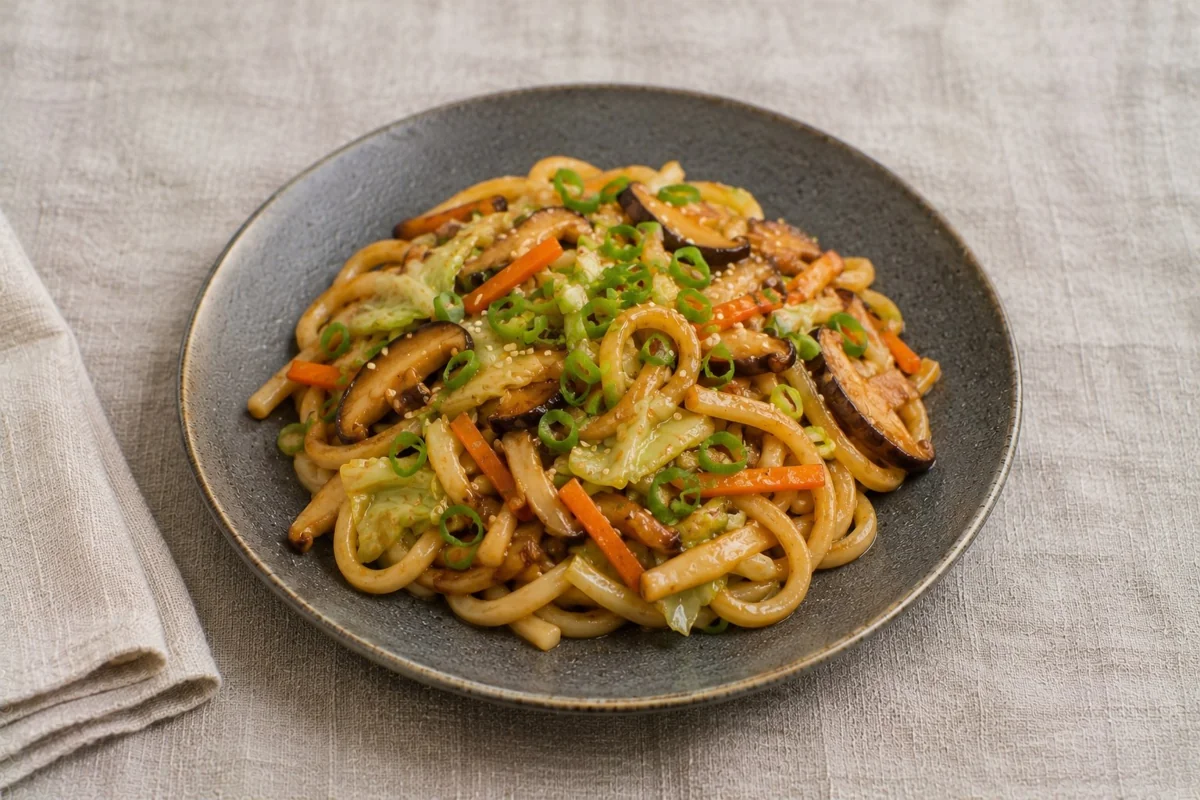
Veggie Yaki Udon
Thick, chewy udon noodles stir-fried with mushrooms, cabbage and carrot in a glossy soy-mirin sauce. Fifteen minutes to slurp heaven.
15 min · Japanese · Vegan, Vegetarian
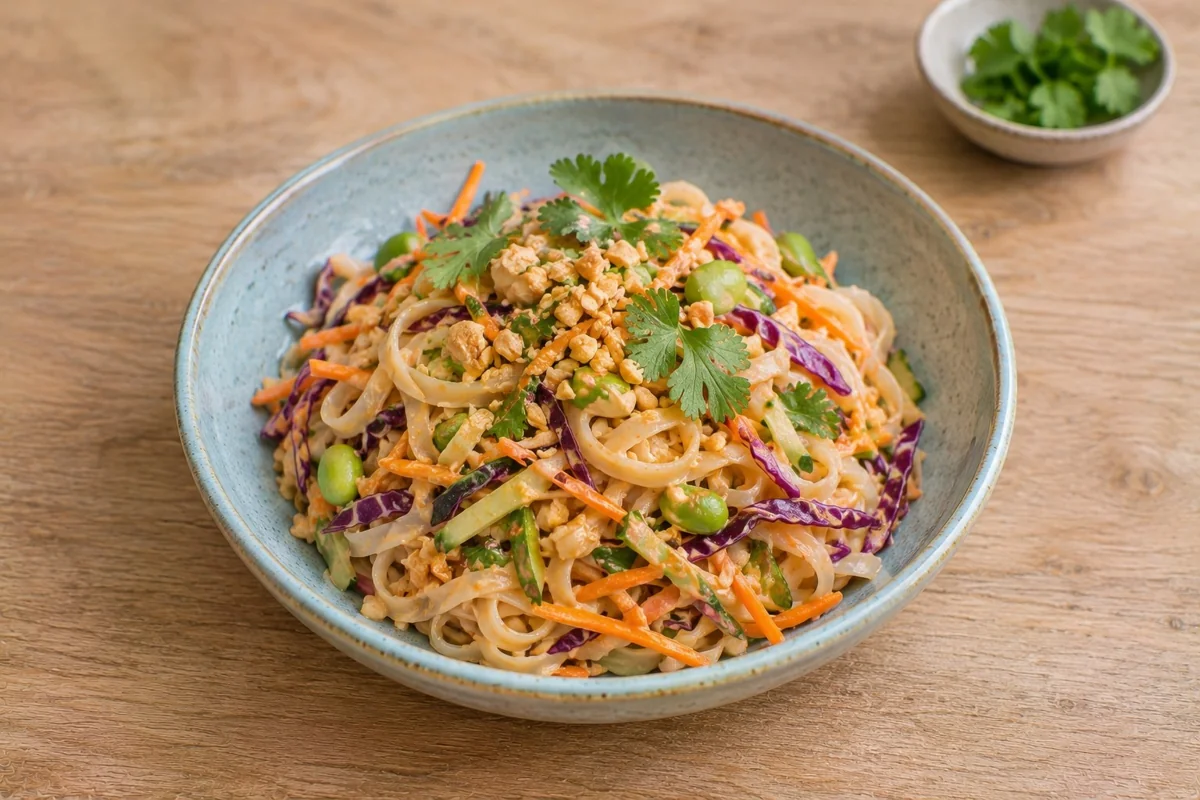
Thai Peanut Noodle Salad
Cold rice noodles with crunchy veg, edamame and herbs in a creamy, zingy peanut-lime dressing. Your new favourite meal prep.
20 min · Thai · Vegan, Vegetarian
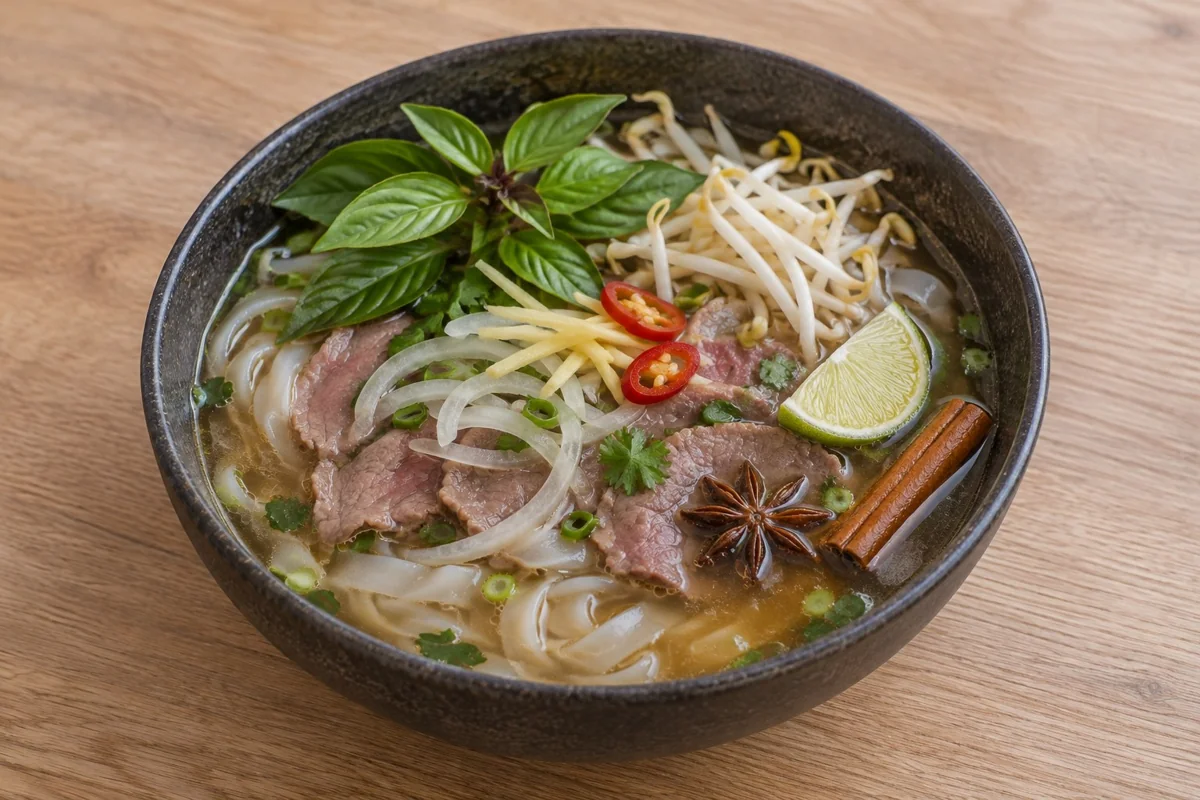
Quick Beef Pho
A shortcut to Vietnam's most famous soup: fragrant star-anise broth, silky rice noodles, tender beef, and a mountain of fresh herbs.
35 min · Vietnamese · Gluten free, Dairy free
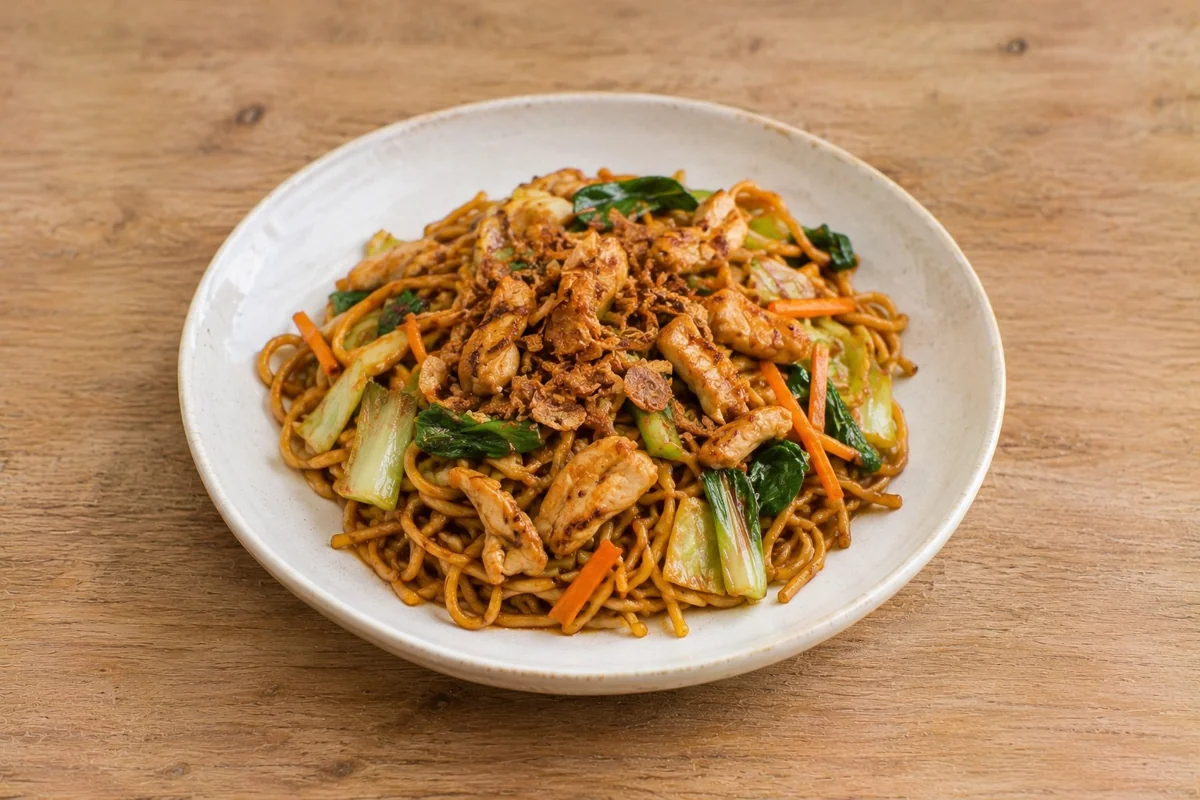
Mie Goreng (Indonesian Fried Noodles)
Smoky, sweet-savoury fried egg noodles with chicken, cabbage and a kick of sambal. Indonesian street food in 20 minutes.
20 min · Indonesian · Dairy free, High protein
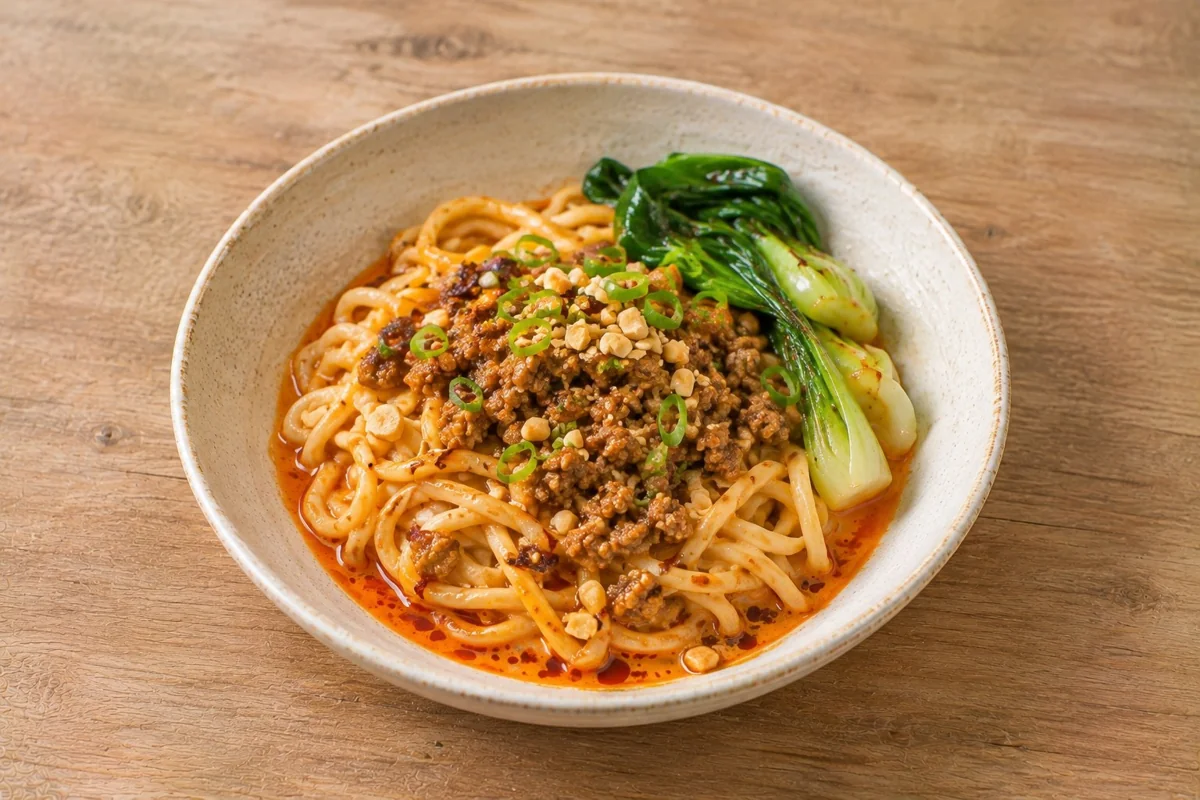
Dan Dan Noodles
Sichuan's famous street noodles: savoury crispy pork, tingly chilli oil and creamy sesame sauce over springy noodles and greens.
25 min · Chinese · Dairy free
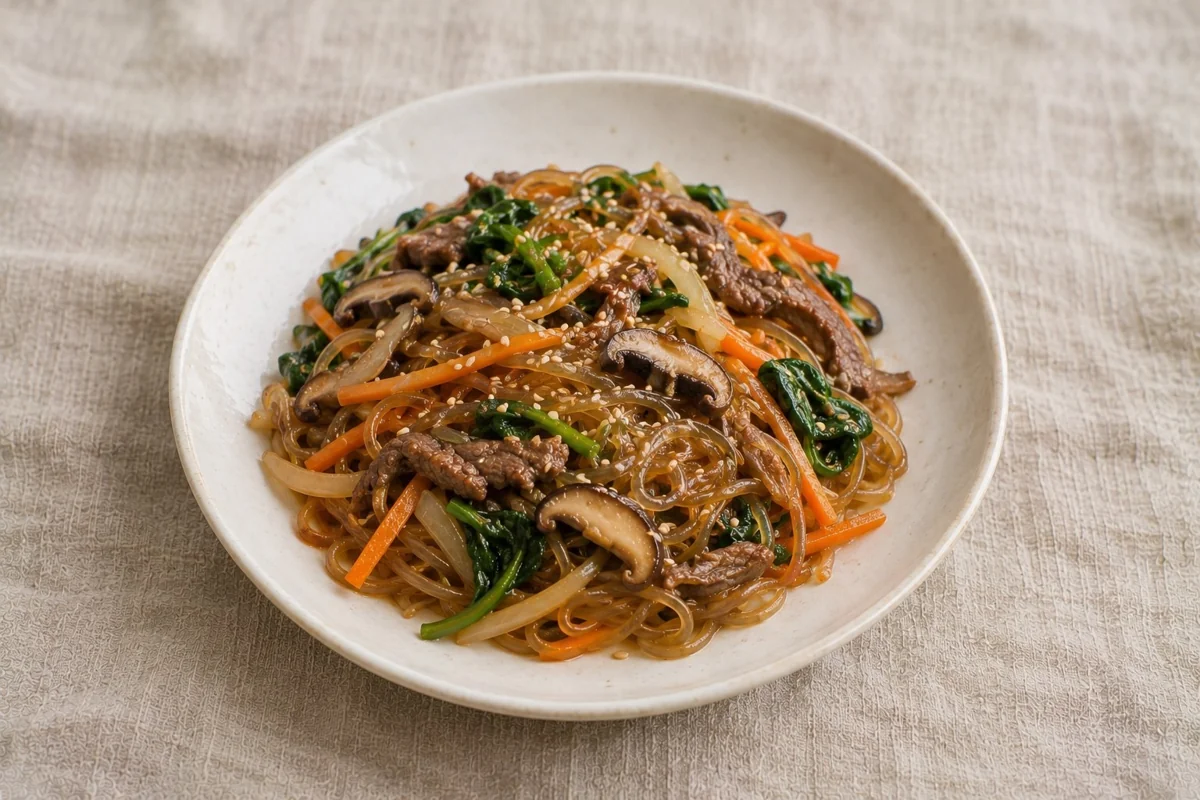
Japchae (Korean Glass Noodles)
Bouncy sweet-potato glass noodles tossed with beef, spinach, mushrooms and carrots in a sweet sesame-soy glaze. Festive yet easy.
35 min · Korean · Dairy free
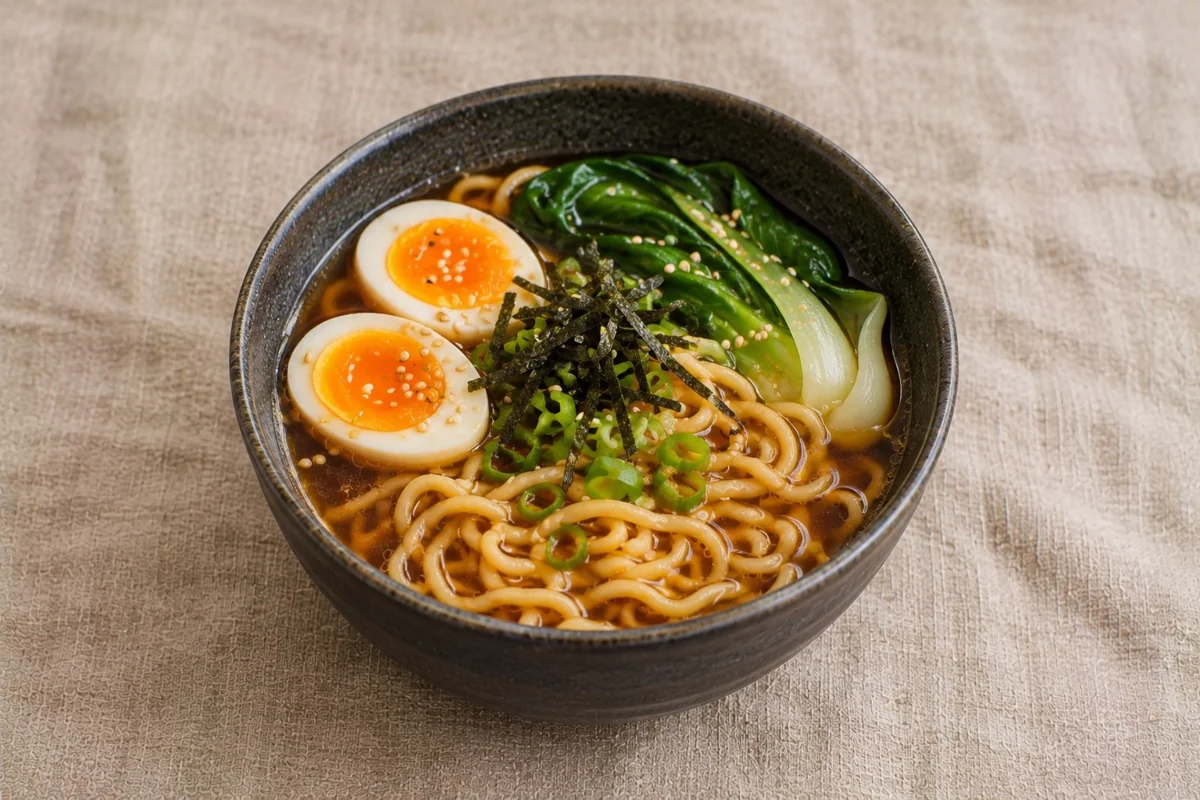
15-Minute Shoyu Ramen with Jammy Egg
Savoury soy-ginger broth with springy ramen noodles, jammy eggs, pak choi and nori. Your cozy ramen shop, minus the queue.
25 min · Japanese · Dairy free
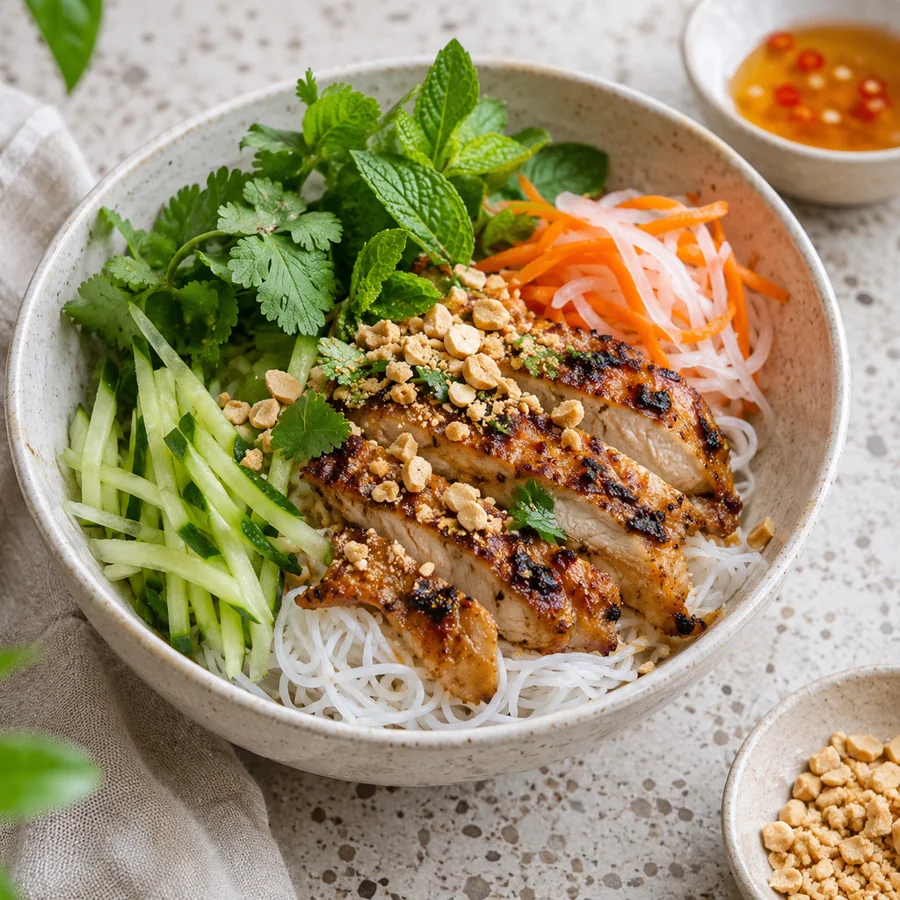
Vietnamese Lemongrass Chicken Noodle Salad
Bún-style cold rice noodles with lemongrass chicken, heaps of fresh herbs, crunchy veg, and a zingy nuoc cham dressing.
25 min · Vietnamese · Gluten free, Dairy free
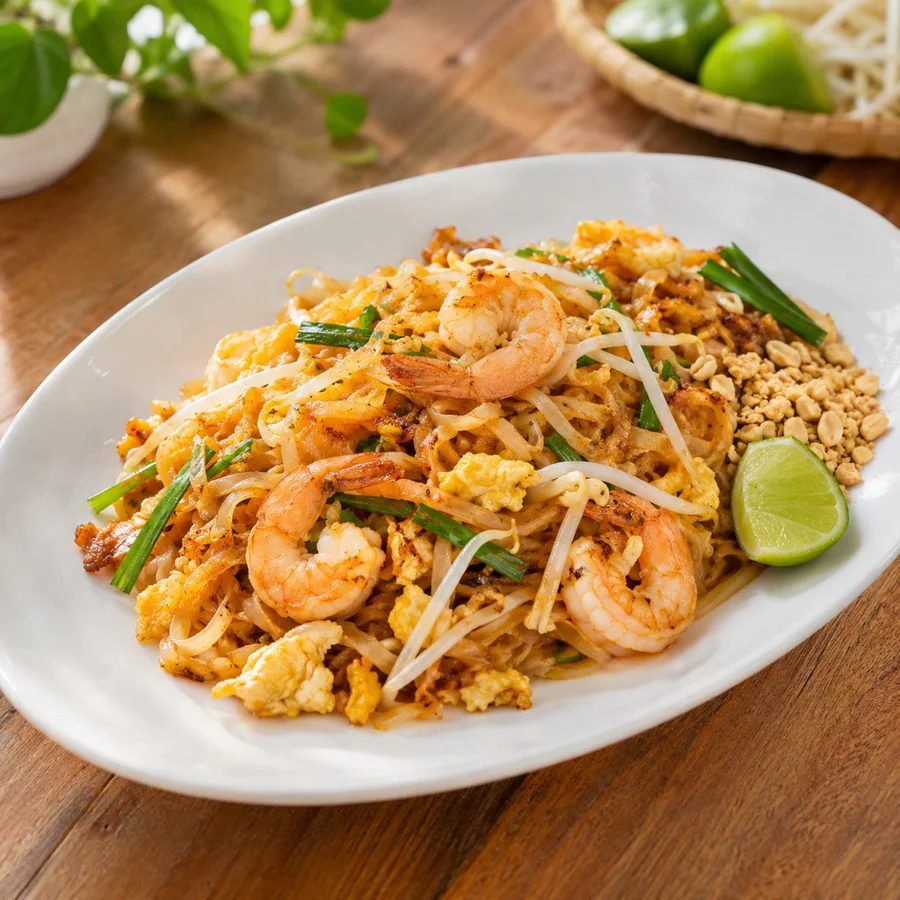
Easy Shrimp Pad Thai
Tangy tamarind noodles tossed with juicy prawns, egg, crunchy beansprouts, and roasted peanuts. Better than takeaway, promise.
25 min · Thai · Pescatarian, Gluten free
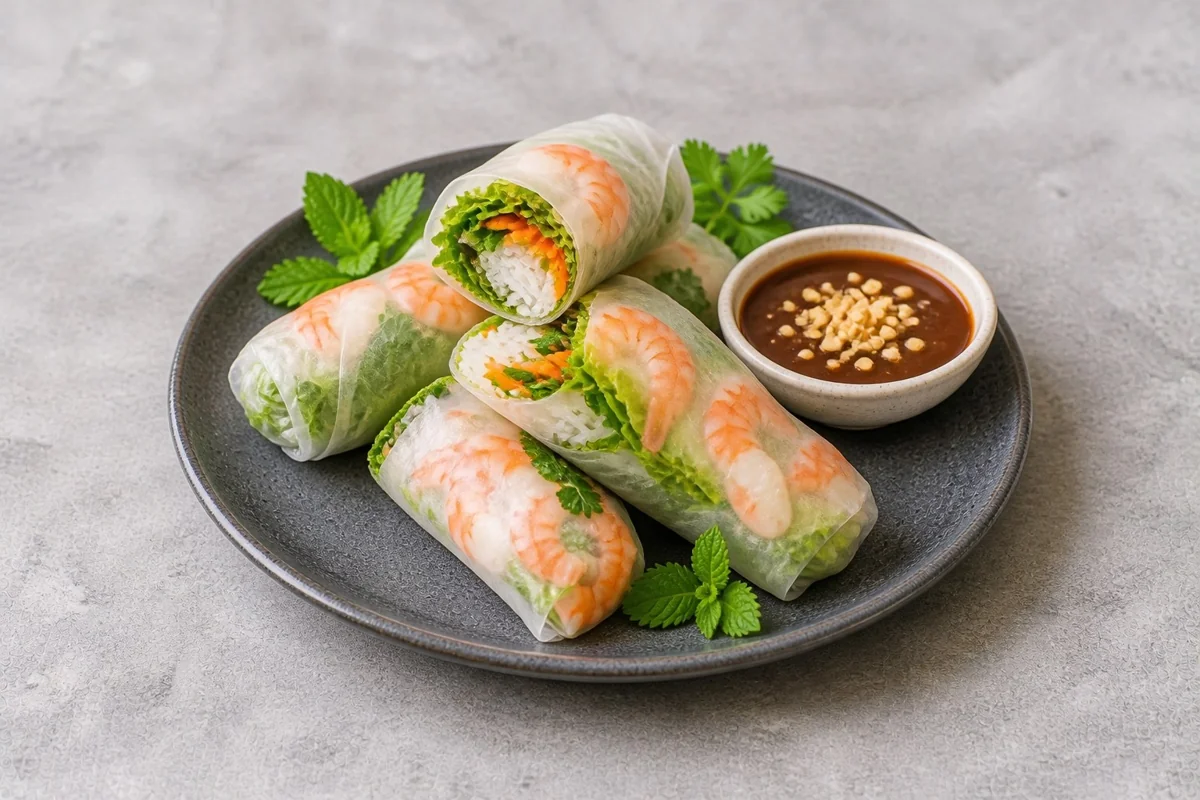
Fresh Prawn Summer Rolls
Translucent rice paper rolls packed with prawns, noodles, herbs and crunchy veg, dipped in a quick hoisin-peanut sauce. Fresh and fun to make together.
30 min · Vietnamese · Pescatarian, Dairy free
Can't choose between these? Spin the dinner wheel and let Salty pick one.
Noodle types guide
Start with the texture you fancy, rather than treating every noodle packet as interchangeable. Udon are thick wheat noodles with a satisfying chew; Veggie Yaki Udon pairs them with mushrooms, cabbage and carrot in a soy-mirin sauce. Rice noodles come in different widths, so follow the packet rather than assuming every shape needs the same soaking or boiling method. Thin strands suit salads and rolls, while broader ribbons give sauces more surface to cling to.
Glass noodles are another texture altogether. In Japchae (Korean Glass Noodles), sweet-potato noodles bring bounce to beef, spinach, mushrooms and carrots. Their translucent appearance does not tell you whether the finished dish is gluten-free: sauces matter too. Wheat-based ramen and egg noodles offer different kinds of springiness, and are not direct substitutes for rice noodles in every dish.
For a solo dinner, portion dried noodles before cooking and keep the rest sealed for another meal. Couples can share a noodle base but choose different finishing touches. For families, scissors can shorten cooked strands for easier handling. Whatever the shape, loosen noodles gently before tossing; forceful stirring can turn a promising bowl into broken bits.
Stir-fry vs soup
Choose a stir-fry when you want sauce clinging to noodles and a little contrast from crunchy vegetables. Choose soup when fragrant broth is the main attraction. Easy Shrimp Pad Thai brings tangy tamarind, prawns, egg, beansprouts and roasted peanuts together in 25 minutes. Quick Beef Pho takes 35 minutes and centres on star-anise broth, rice noodles, beef and fresh herbs. Both suit a confident cook, but they offer quite different dinners.
For stir-frying, have the vegetables cut and the sauce ready before heating the pan. Drain noodles well so excess water does not dilute the sauce. A crowded pan makes browning harder; if you are feeding a family, work in batches rather than squeezing everything in at once. Swap similarly cut vegetables according to what is available, allowing firmer pieces more time than leafy greens.
For soup, taste the broth before assembling the bowls, then add herbs at the end for freshness. In a mixed-preference household, keep optional chilli and herbs on the table. For a couple eating at different times, keeping cooked noodles separate from broth until serving helps prevent them absorbing all the liquid.
GF noodle swaps
Rice noodles are a useful starting point for gluten-free noodle dinners, but the packet and the sauce deserve equal attention. Udon and many ramen or egg noodles contain wheat. Sweet-potato glass noodles may be gluten-free themselves, yet a dish made with them can still contain wheat through its seasoning. Never judge a whole dinner by the noodle alone.
Thai Peanut Noodle Salad is listed as gluten-free and vegan, with cold rice noodles, crunchy vegetables, edamame, herbs and peanut-lime dressing. It is a handy shared option when those dietary preferences overlap. For allergies, check each recipe's allergen list and ingredient labels; gluten-free does not mean free from peanuts, soy or other allergens.
When adapting another noodle dish, replace wheat noodles with a suitable rice noodle and use a labelled gluten-free tamari in place of standard soy sauce, where appropriate. Check bottled dressings, hoisin and stock too, rather than assuming a noodle swap finishes the job. Follow the replacement noodle's packet instructions, since texture and preparation can differ. In a mixed-diet household, prepare separate portions with clean utensils and avoid sharing cooking water where gluten cross-contact is a concern.
Quick noodle dinners
Let the listed preparation time narrow the field before appetite takes over. Mie Goreng (Indonesian Fried Noodles) is a beginner-friendly, 20-minute option with chicken, egg noodles, cabbage and sambal. Its sweet-savoury flavour and medium heat make it a different proposition from a mild noodle bowl, so consider spice preferences as well as the clock. Salty's practical nudge: read the method before putting the hob on, especially when several ingredients join the pan in quick succession.
Make preparation smaller, not dinner more complicated. Ready-cut vegetables can remove a chopping task; choose a mixture that suits the dish and check larger pieces are cooked through. Keep sauce ingredients together on the worktop, and use the noodle packet's directions rather than guessing. If you replace chicken with tofu, treat that as an adaptation and adjust the method; it does not automatically make the whole dish vegan.
For solo households, measure out noodles before you start. For couples, split the chopping and sauce-mixing if that feels helpful, not compulsory. Families can put optional chilli on the table instead of adding extra to every portion. Prefer assembling to stir-frying? A cold noodle salad may be the more appealing route.
Salty's top 3
#1
Veggie Yaki Udon
Salty's speedy pick brings thick, chewy noodles and vegetables together in a mild, vegan dinner in 15 minutes.
#2
Thai Peanut Noodle Salad
Cold rice noodles, crunchy vegetables and peanut-lime dressing make this beginner-friendly, 20-minute salad a lively alternative to a hot bowl.
#3
Quick Beef Pho
For a broth-led dinner, this 35-minute shortcut combines star anise, silky rice noodles, tender beef and plenty of fresh herbs.
FAQ
What can I add to noodles to make a dinner?
Build a noodle dinner around vegetables, a protein you enjoy and a sauce or broth. Chicken, beef, prawns, eggs and tofu offer different starting points; cabbage, mushrooms and carrots bring texture. Match the additions to the noodle style, and keep optional chilli or herbs separate when sharing with people who prefer different flavours.
Which noodles are best for stir-frying?
Udon, egg noodles and rice noodles can all work in stir-fries, but they need different preparation. Choose the type specified by your recipe and follow the packet instructions. Drain well before adding to the pan, loosen any clumps gently, and avoid prolonged tossing once delicate noodles are cooked.
Are rice noodle dinners gluten-free?
Rice noodles are often made without gluten, but that does not guarantee a gluten-free dinner. Soy sauce, hoisin, stock and other seasonings may contain wheat. Check each recipe's allergen list and ingredient labels, including the noodles themselves. For someone avoiding gluten, consider preparation surfaces, utensils and shared cooking water as well.
What noodle dinners can I make in 20 minutes or less?
Veggie Yaki Udon is listed at 15 minutes, while Mie Goreng and Thai Peanut Noodle Salad are listed at 20 minutes. All are beginner-friendly. Choose udon for a mild, hot vegan dinner, Mie Goreng for chicken and medium heat, or the peanut salad for a cold, crunchy vegan option.
Can I prepare noodle dinners ahead of time?
Some noodle dinners lend themselves to advance preparation: Thai Peanut Noodle Salad and Japchae are tagged for meal prep in this collection. Refrigerate prepared food promptly and follow appropriate storage guidance for its ingredients. For noodle soups, storing noodles separately from broth helps preserve their texture until you are ready to assemble and serve.
Text last updated
More collections
Not sure which one?
Tell Salty who's eating and get dinners that fit everyone.
Get personalized ideas