
Dinner salads that fill you up
Filling dinner salads need more than a generous handful of leaves: think lentils, eggs, chicken or tofu, with potatoes, noodles, bread or grains where you fancy them. This collection brings together substantial salad bowls and salad-friendly dinners, so you can choose a cold meal, a warm topping or something comforting alongside your crunch.
Across 31 dinner ideas, you'll find salads that hold their own and plates where salad shares the spotlight. That mix is the difference here: dinner doesn't have to fit neatly into a bowl to belong. Salty, our cheerful blue salt shaker, is firmly in favour of enough food and a dressing worth scooping up. Cooking from scratch, assembling bought ingredients or adding a fresh side to an order-in dinner all count. Pick for your appetite, your household and how much effort you're up for tonight.
24 recipes
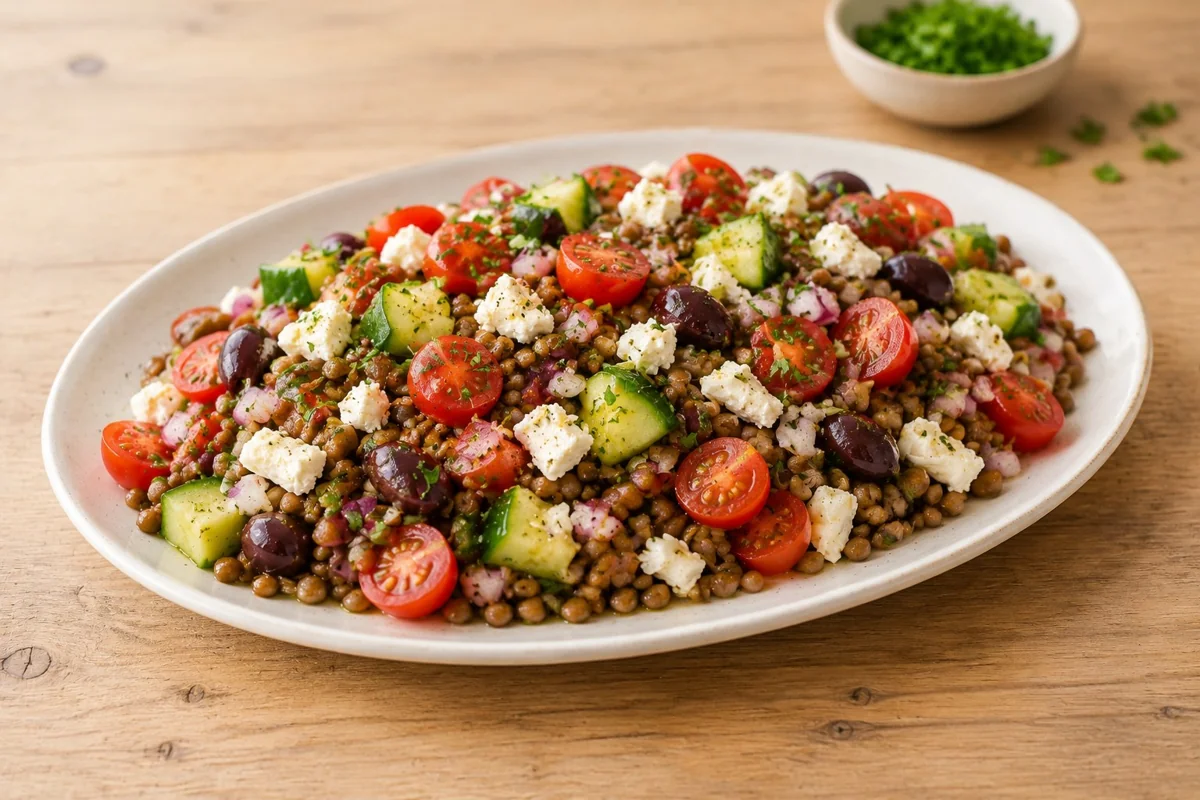
Greek Lentil Salad with Feta
A no-fuss, protein-packed salad of lentils, crunchy cucumber, tomatoes, olives, and crumbled feta in a zesty oregano dressing. Perfect for lunch tomorrow, too.
15 min · Greek · Vegetarian, Gluten free
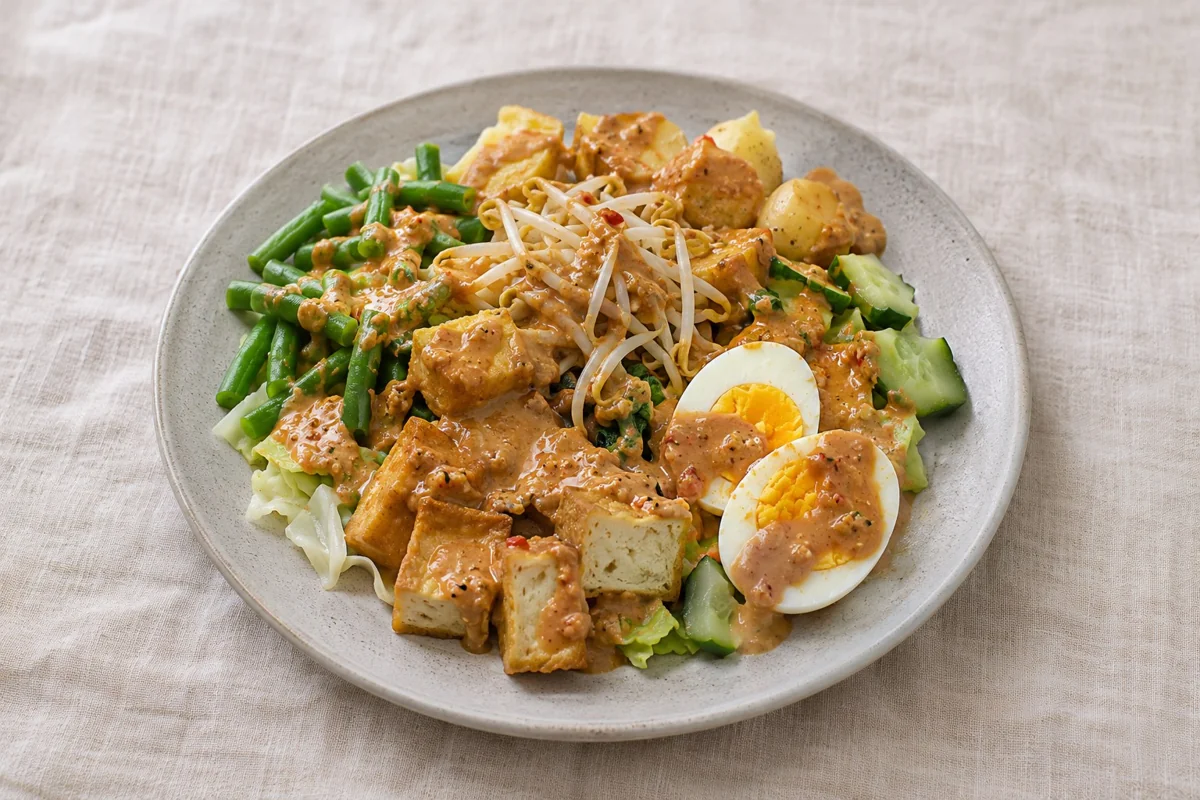
Gado-Gado with Peanut Sauce
A colourful Indonesian salad of blanched veg, crispy tofu, eggs, and potatoes, smothered in a creamy, tangy peanut sauce.
30 min · Indonesian · Vegetarian, Gluten free
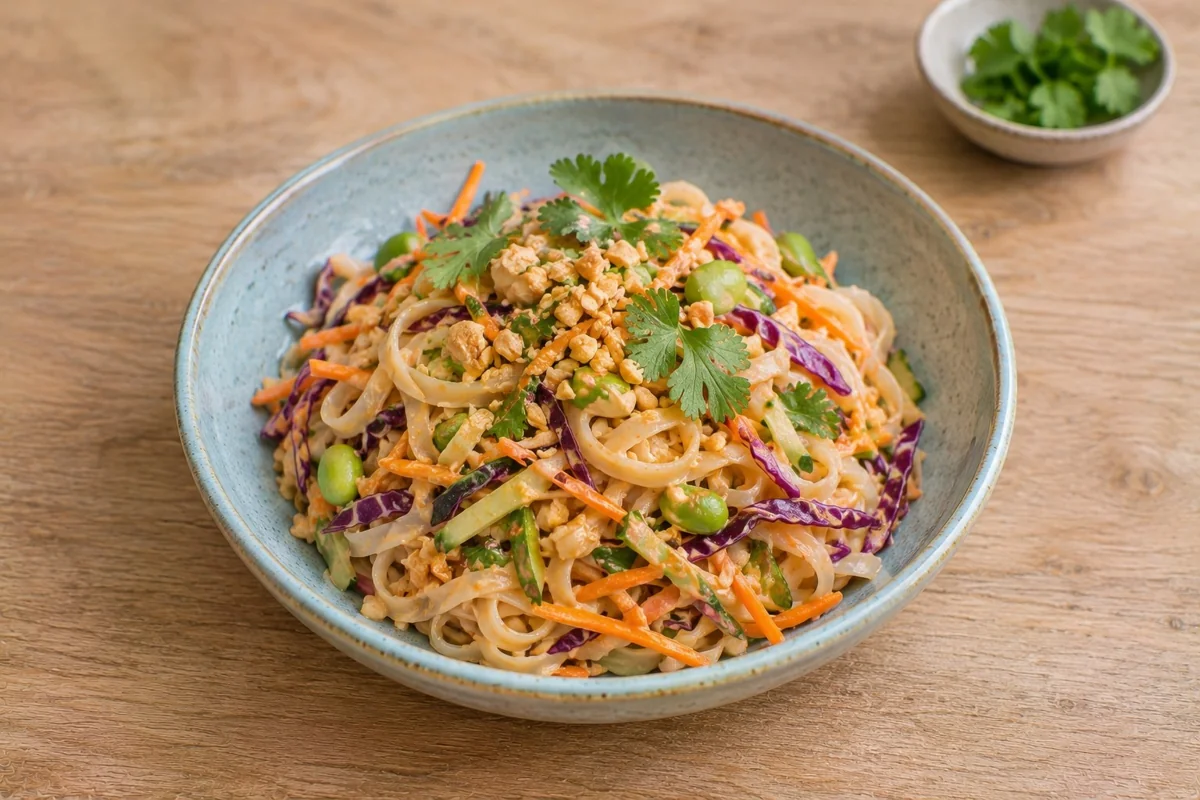
Thai Peanut Noodle Salad
Cold rice noodles with crunchy veg, edamame and herbs in a creamy, zingy peanut-lime dressing. Your new favourite meal prep.
20 min · Thai · Vegan, Vegetarian
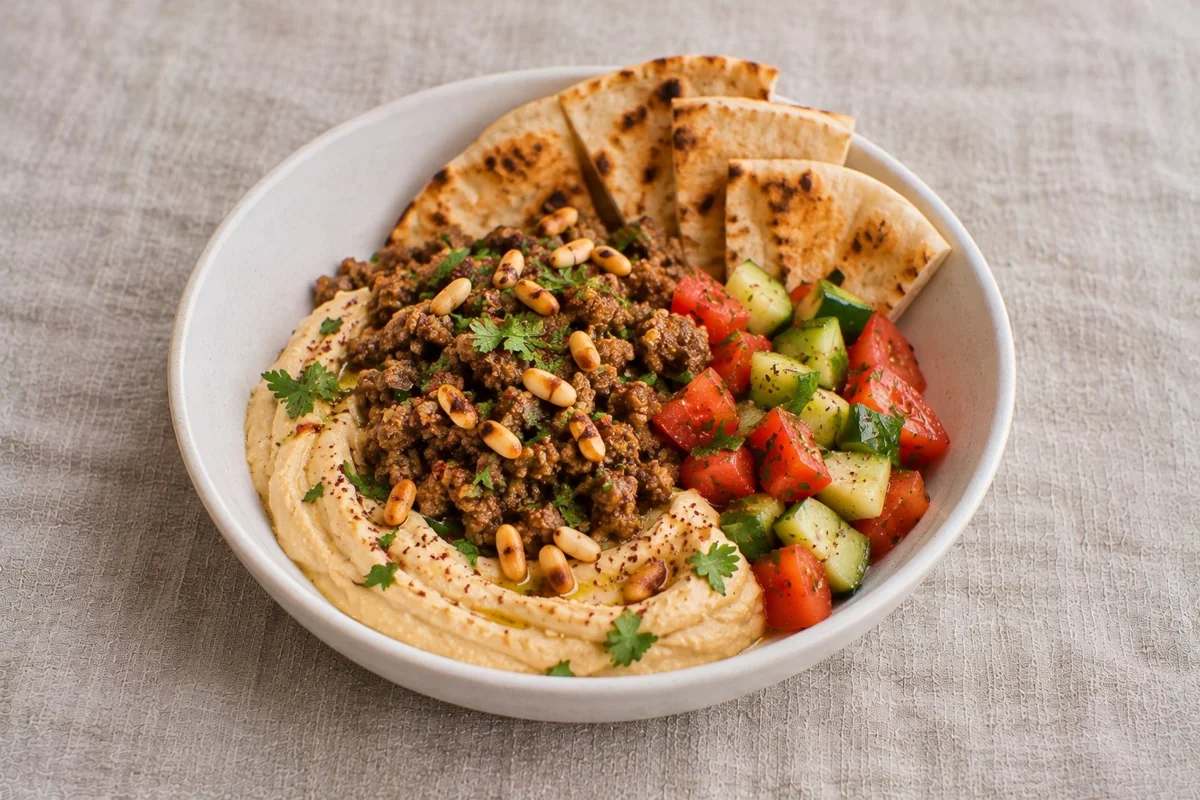
Hummus Bowl with Spiced Lamb
Creamy hummus topped with sizzling cinnamon-cumin lamb, toasted pine nuts and herbs, with warm pita for scooping.
20 min · Middle eastern · Dairy free, High protein
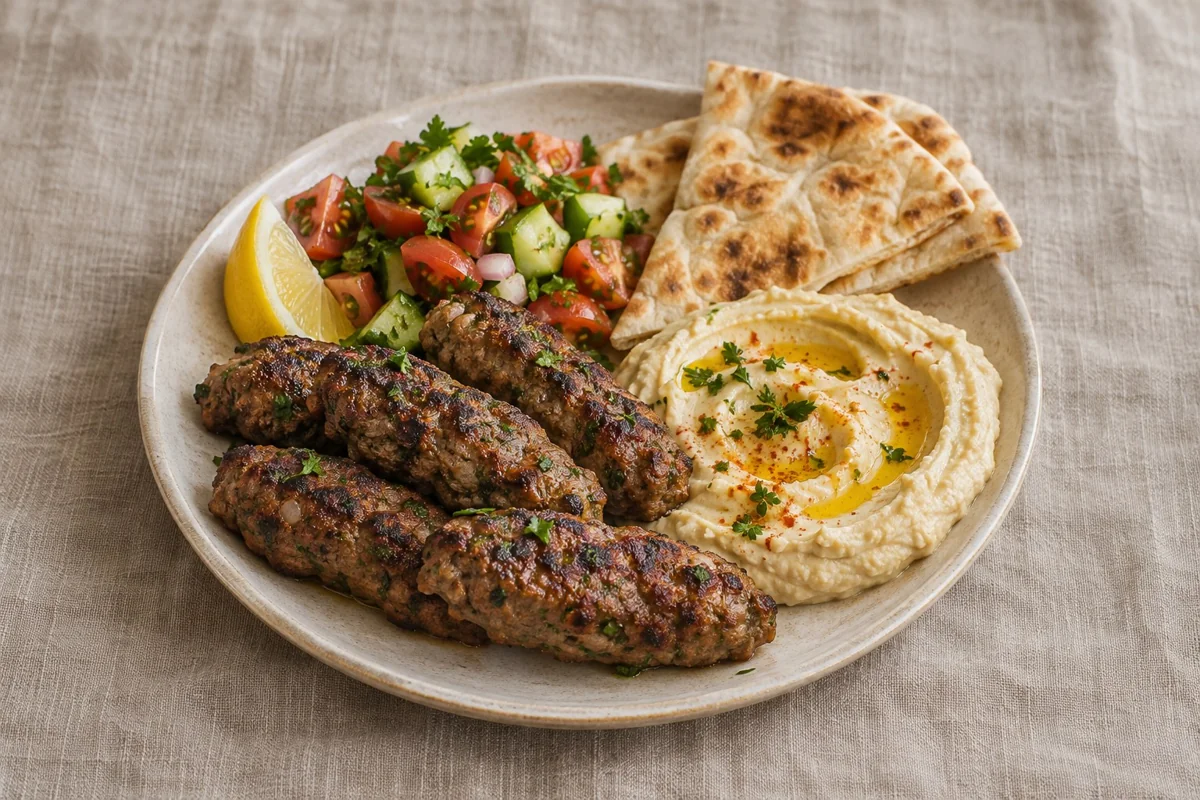
Lebanese Beef Kafta with Hummus
Herby, spiced beef kafta skewers with creamy hummus, warm flatbread and a crunchy tomato-cucumber salad.
25 min · Lebanese · Dairy free, High protein
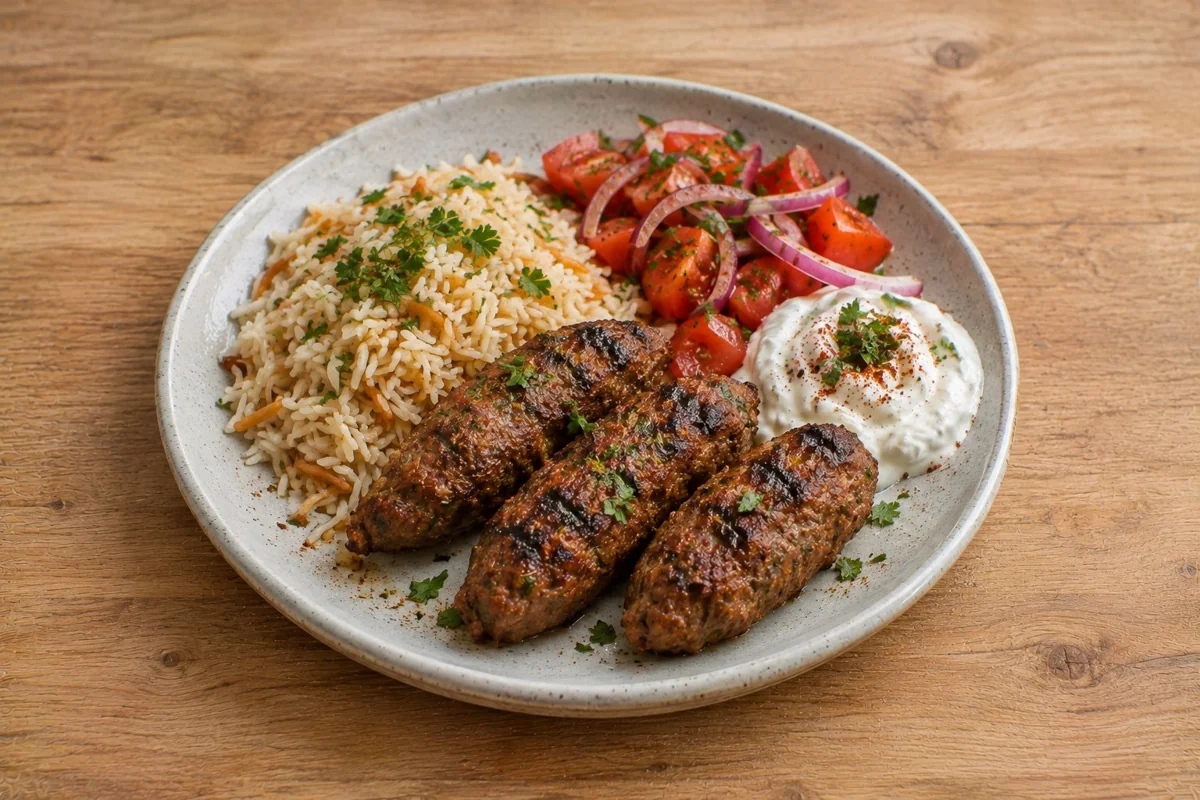
Adana-Style Köfte with Rice Pilaf
Juicy spiced lamb köfte with buttery rice pilaf, a tomato-onion salad and cool garlic yoghurt.
35 min · Turkish · Gluten free, High protein
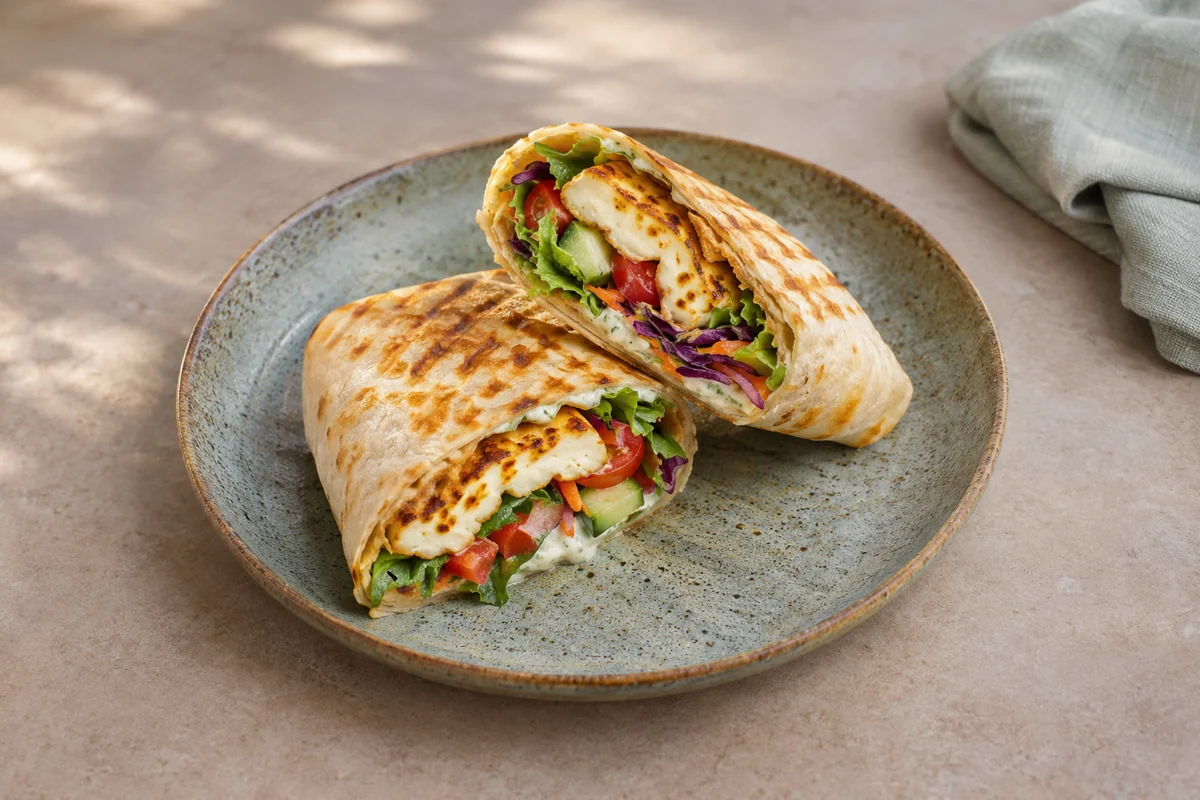
Crispy Halloumi Crunch Wrap
Squeaky golden halloumi, crunchy veg, and a lemony yoghurt drizzle rolled up tight — a 15-minute dinner that tastes like summer.
15 min · Mediterranean · Vegetarian, High protein
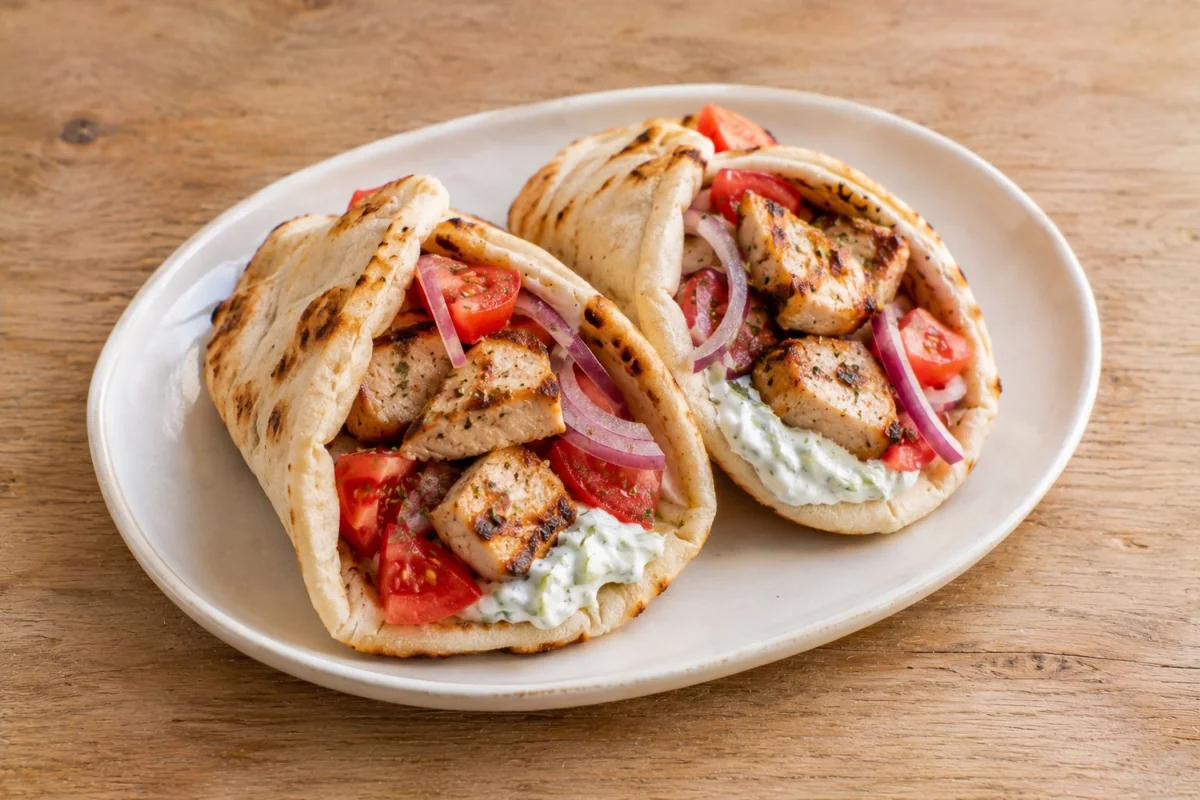
Chicken Souvlaki Pita
Lemon-oregano chicken skewers wrapped in warm pita with tzatziki, tomato and red onion. A Greek taverna favourite at home.
30 min · Greek · High protein
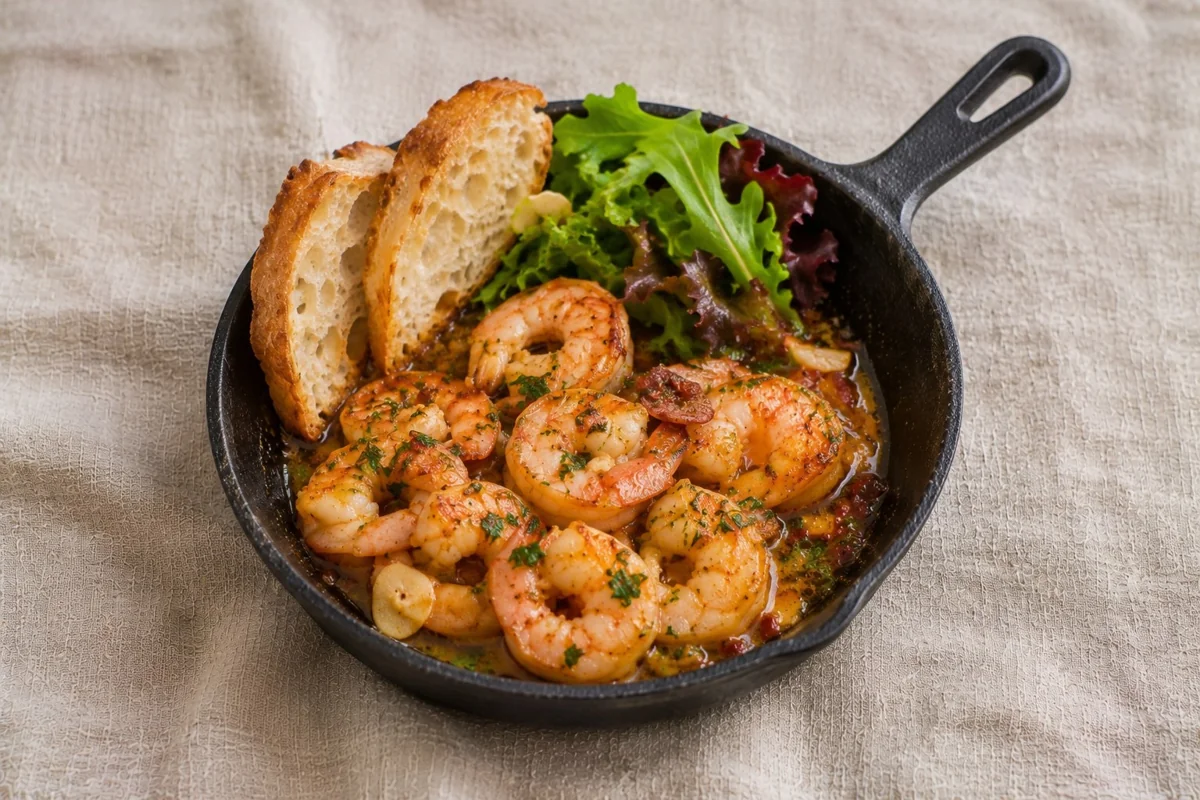
Gambas al Ajillo
Sizzling garlic prawns in golden olive oil with a hint of chilli. A tapas bar classic that becomes dinner with plenty of crusty bread.
15 min · Spanish · Pescatarian, Dairy free
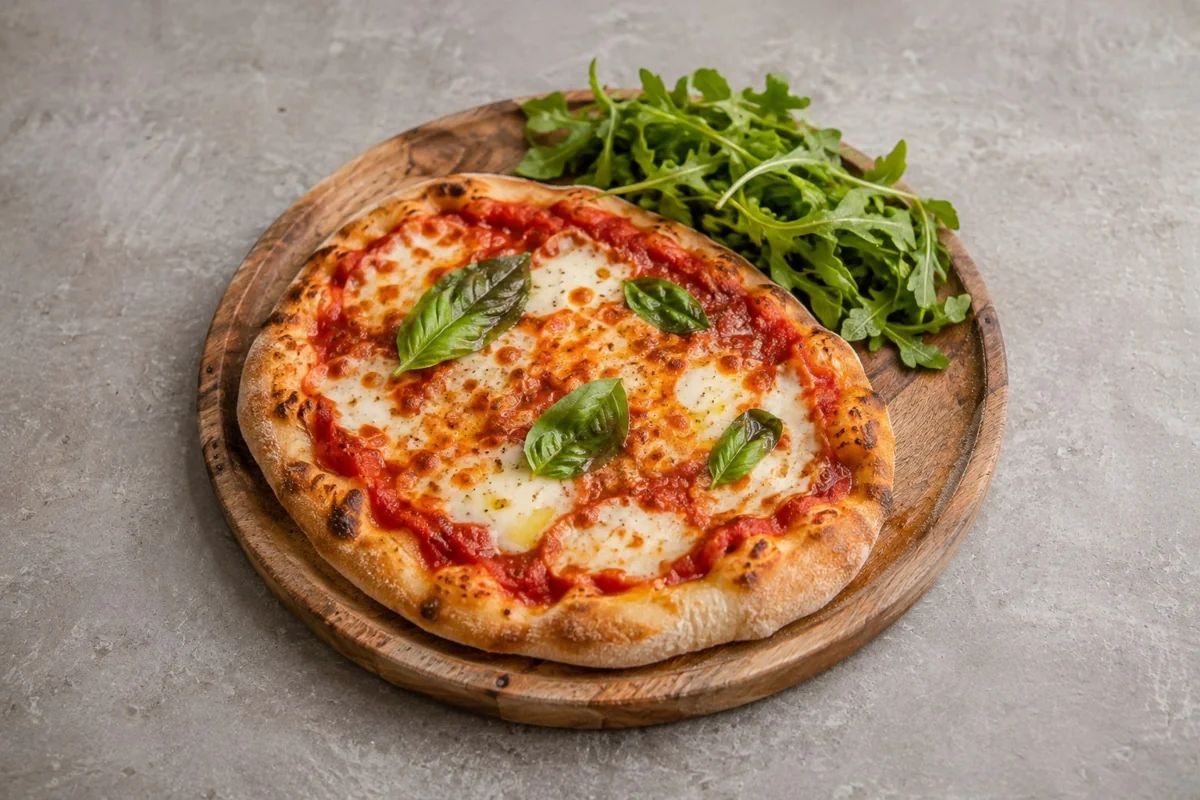
Quick Pizza Margherita
Homemade pizza without the stress: store-bought dough, a quick tomato sauce, melty mozzarella and fresh basil, with a rocket salad on the side.
25 min · Italian · Vegetarian
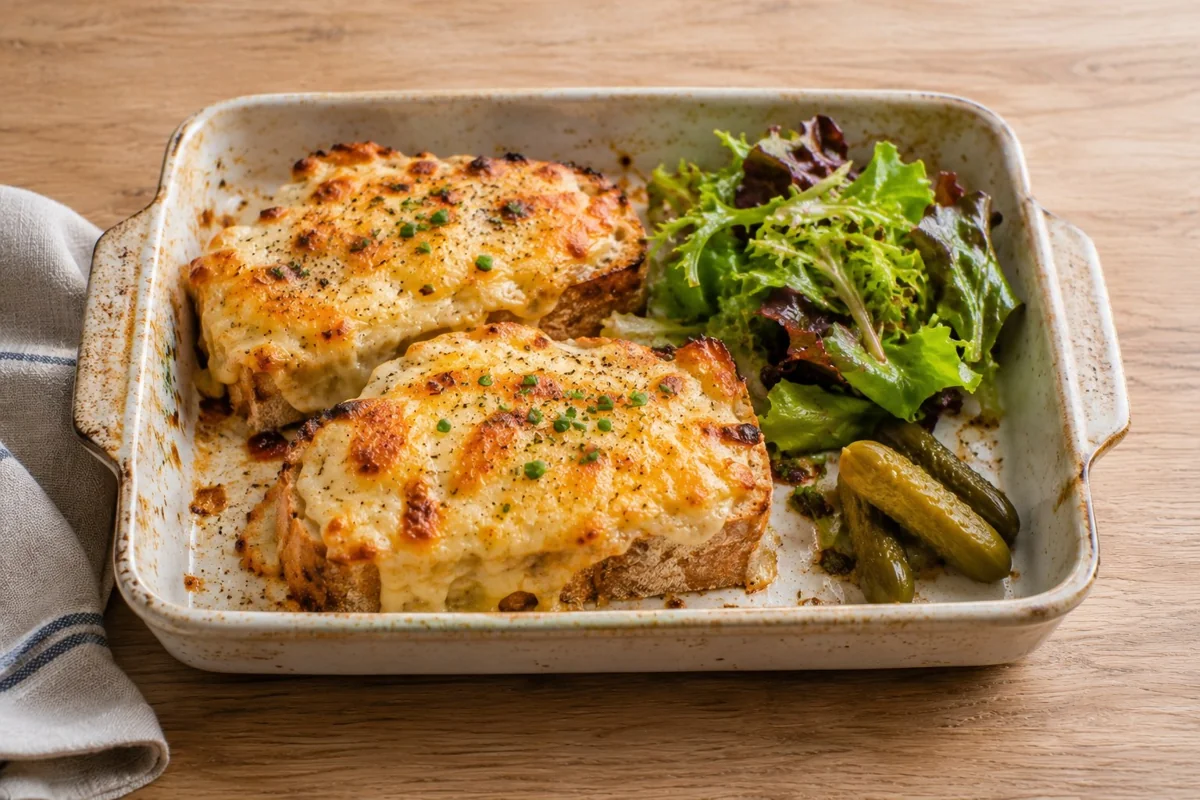
Swiss Cheese Toast (Chässchnitte)
Crusty bread soaked in a splash of white wine and baked under a thick blanket of molten Gruyère. Alpine hut vibes in 20 minutes.
20 min · Swiss · Vegetarian
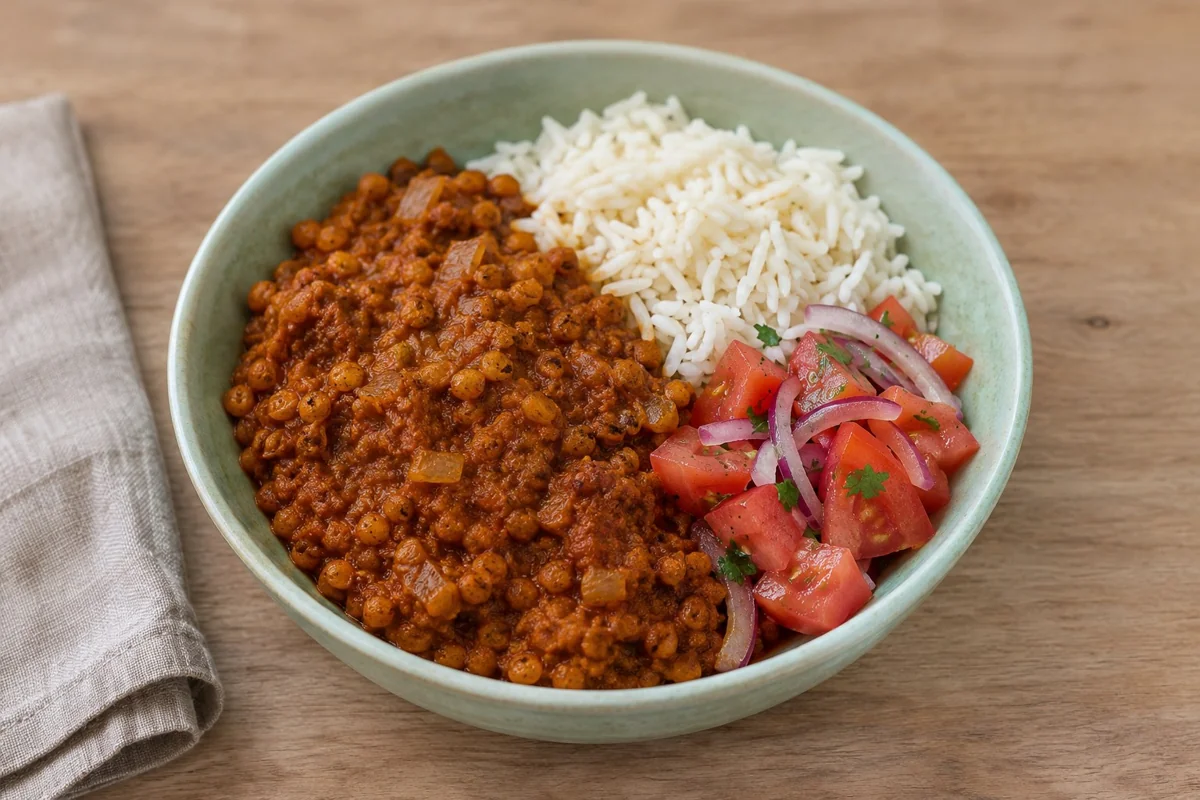
Ethiopian Misir Wot (Spiced Red Lentils)
Rich, warming red lentils slow-cooked with heaps of onion and berbere spice. Deeply comforting and naturally vegan.
40 min · Ethiopian · Vegan, Vegetarian
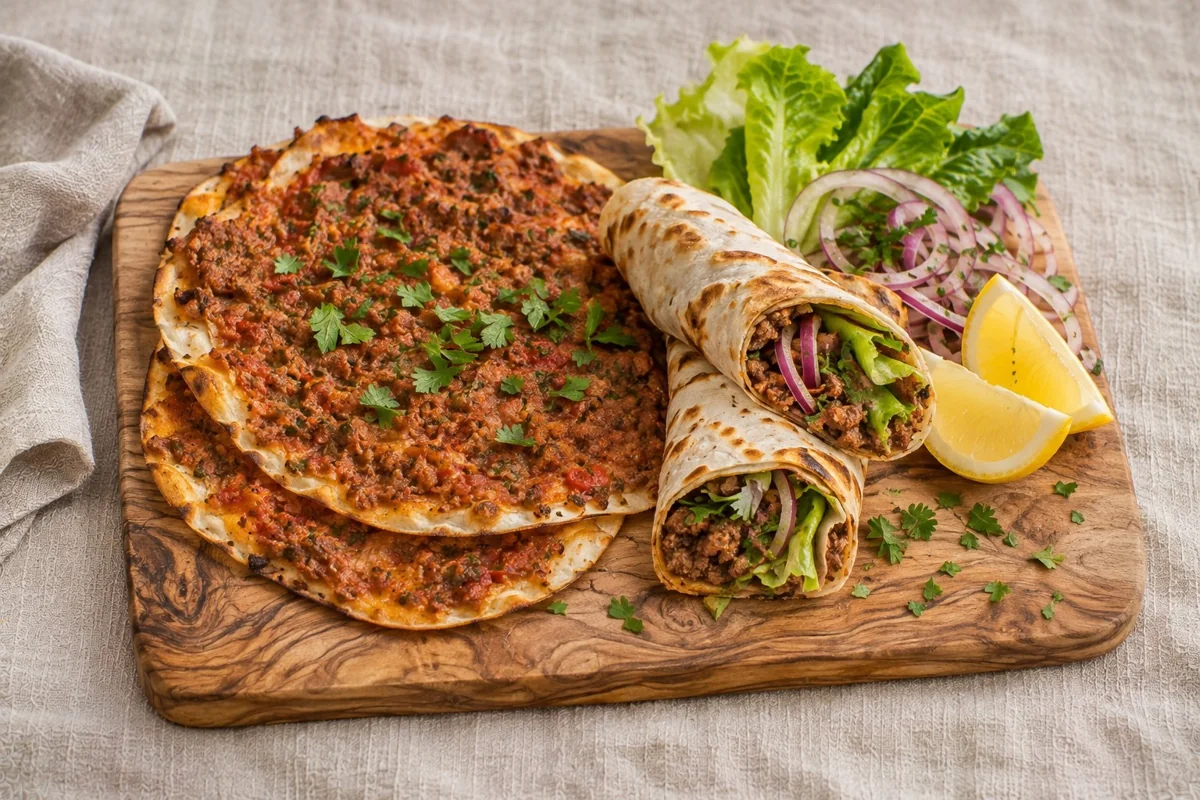
Quick Lahmacun Wraps
Thin flatbreads topped with spiced minced beef, baked crisp, then rolled up with parsley, onion and lemon. Turkish street food at home.
25 min · Turkish · Dairy free, High protein
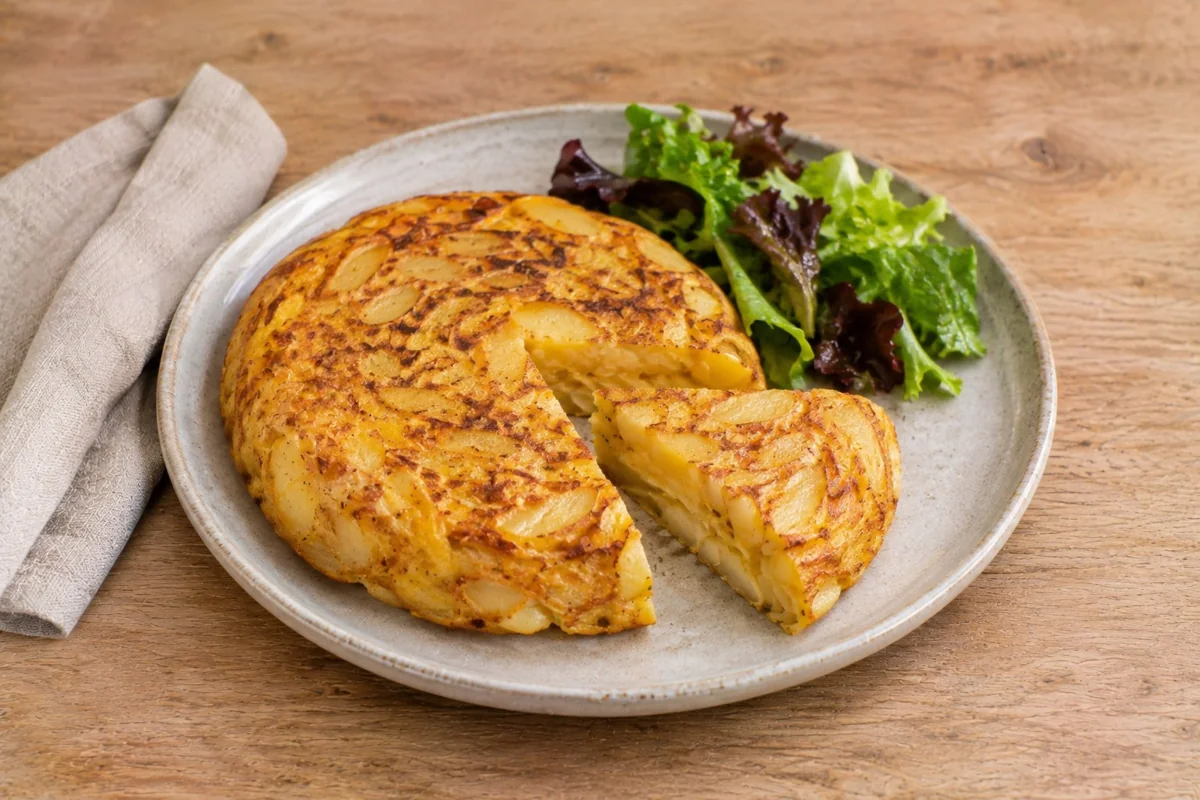
Tortilla Española
Spain's beloved potato and onion omelette: tender inside, golden outside. Great hot, cold or packed for tomorrow's lunch.
35 min · Spanish · Vegetarian, Gluten free
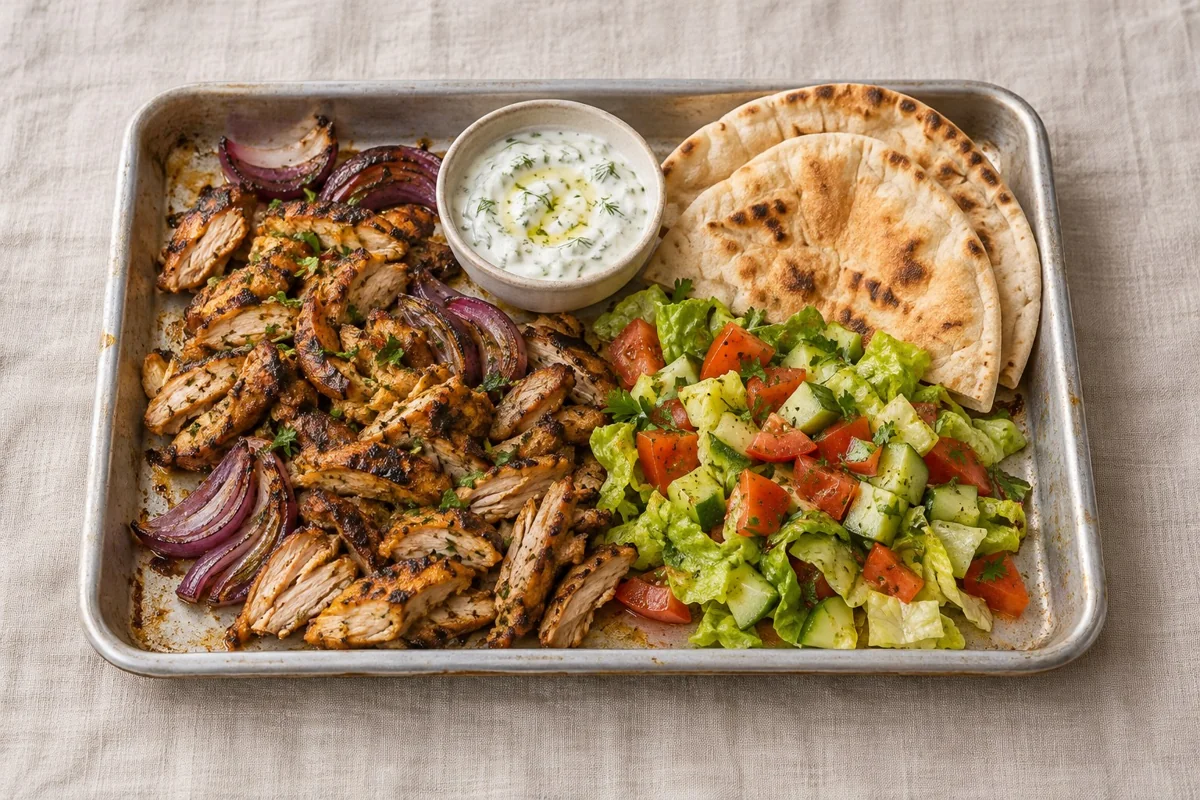
Sheet-Pan Chicken Shawarma Plate
Warmly spiced, crispy-edged chicken with roasted onions, warm pita, crunchy salad, and a garlicky yoghurt sauce. Street food, home-style.
35 min · Lebanese · High protein
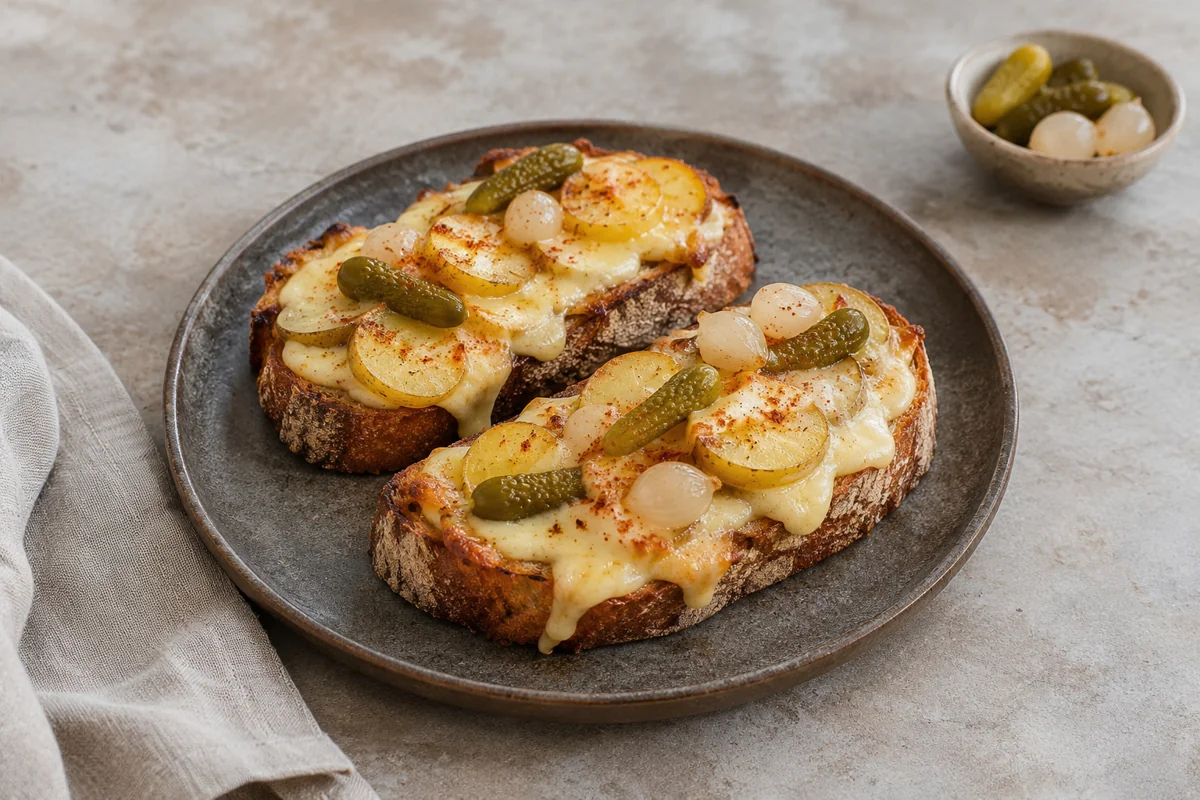
Bubbly Raclette Toast
The cosy taste of a Raclette evening in 15 minutes — melty cheese over crusty bread, tiny potatoes, cornichons, and a pinch of paprika.
15 min · Swiss · Vegetarian
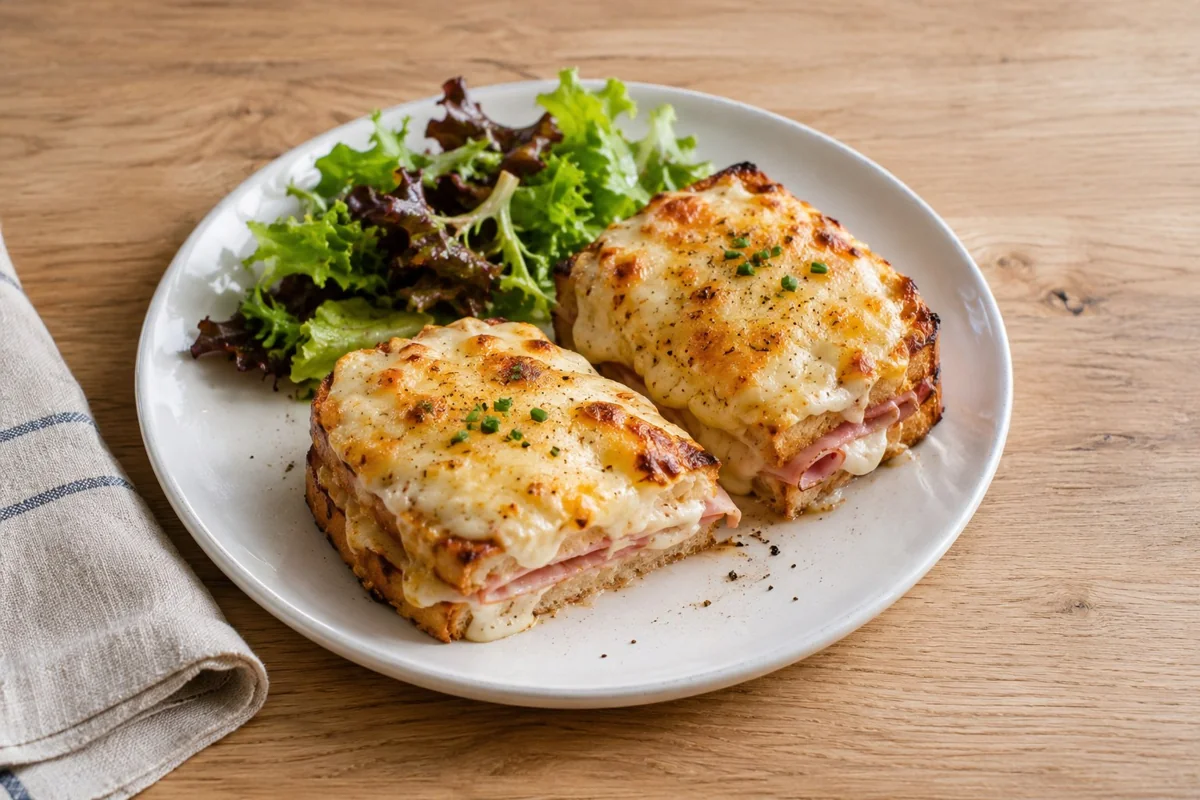
Classic Croque Monsieur
Paris café comfort: ham and Gruyère toasties smothered in silky béchamel and grilled until golden and bubbling.
20 min · French
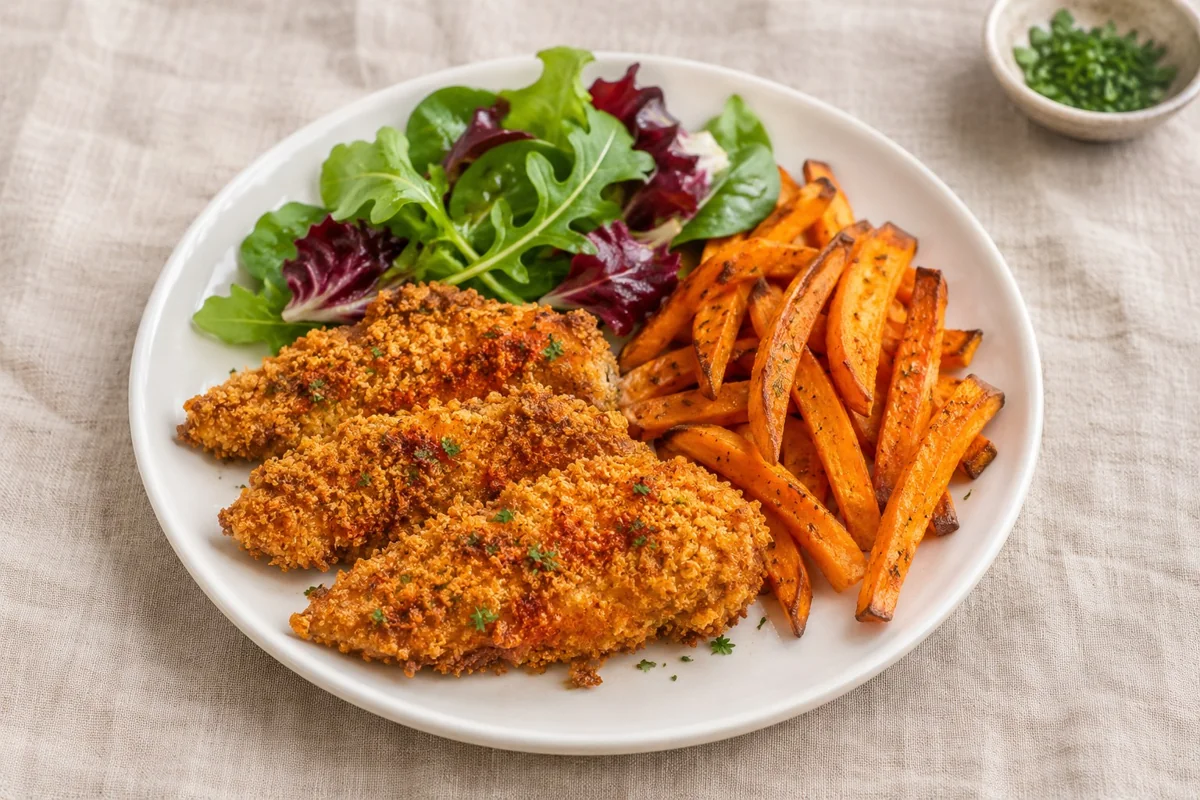
Air-Fryer Chicken Tenders & Sweet Potato Fries
Golden, crunchy panko chicken tenders and crispy sweet potato fries with zero deep-frying. Kids cheer, grown-ups secretly too.
30 min · American · High protein, Dairy free
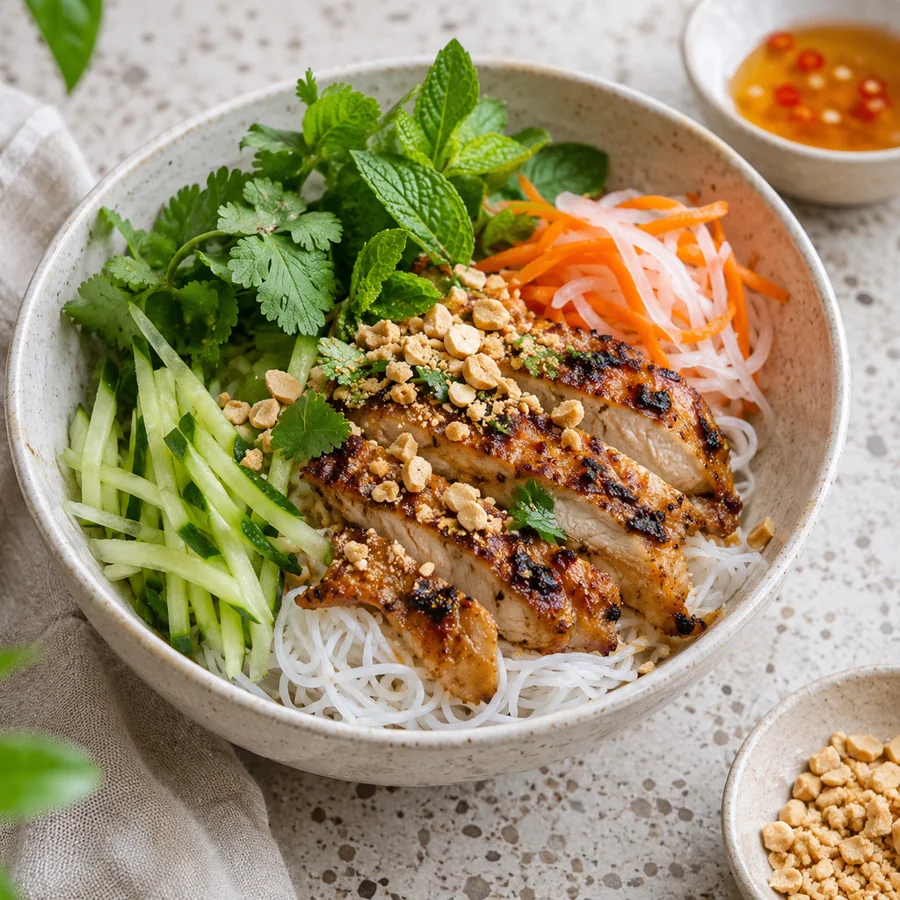
Vietnamese Lemongrass Chicken Noodle Salad
Bún-style cold rice noodles with lemongrass chicken, heaps of fresh herbs, crunchy veg, and a zingy nuoc cham dressing.
25 min · Vietnamese · Gluten free, Dairy free
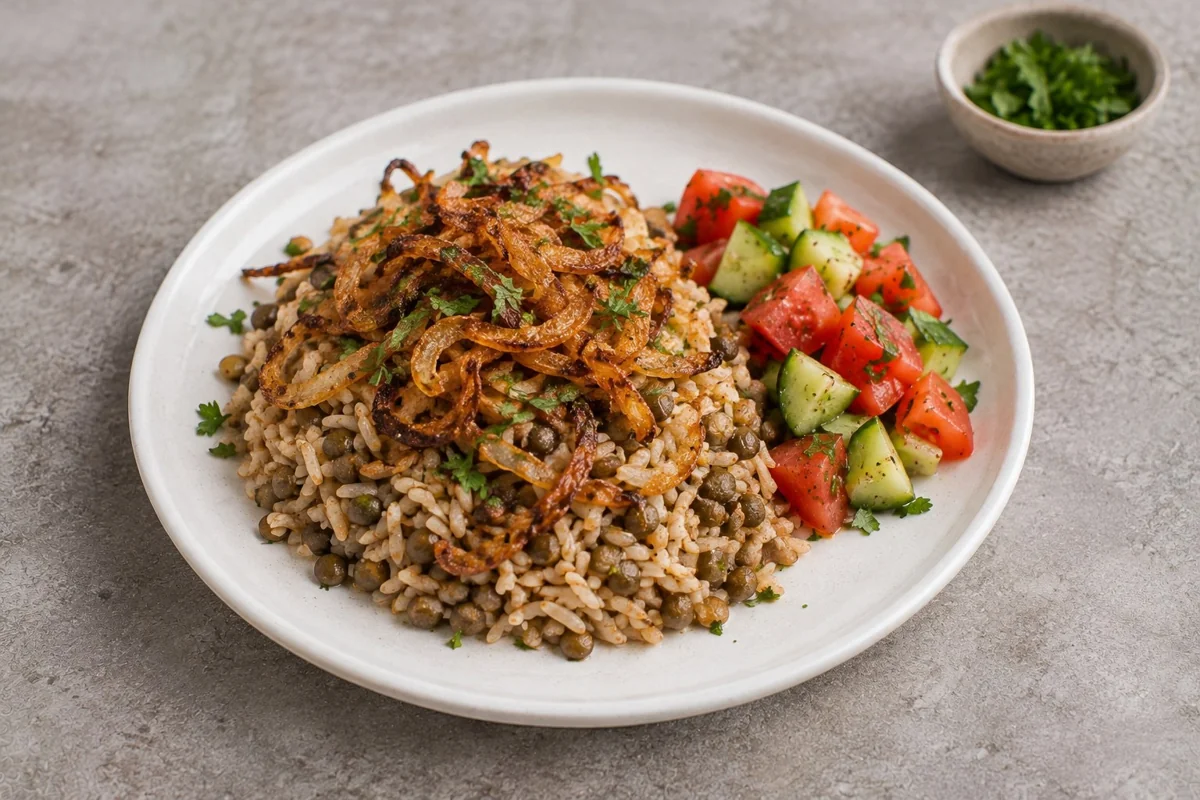
Mujadara (Lentils, Rice & Crispy Onions)
Humble, magnificent Levantine comfort: spiced lentils and rice crowned with a tangle of sweet, crispy onions. Vegan and cheap.
45 min · Lebanese · Vegan, Vegetarian
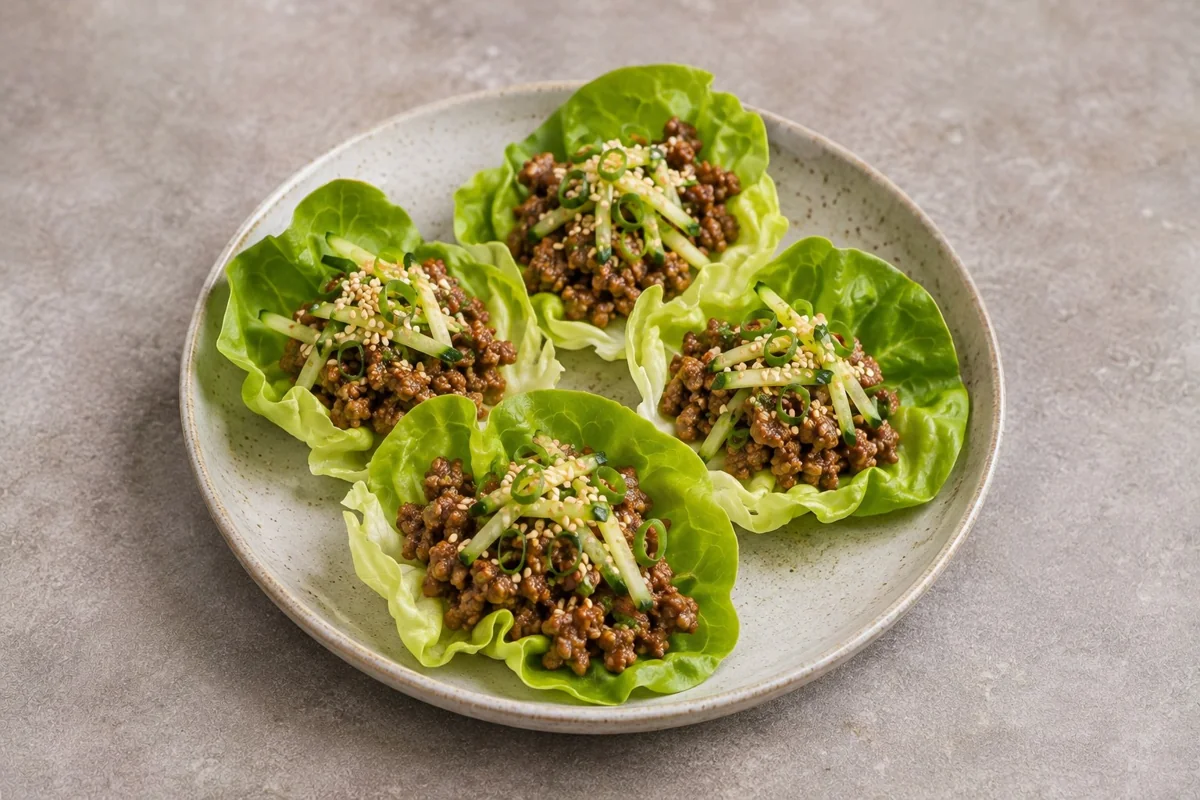
Keto Korean Beef Lettuce Wraps
Savoury garlic-ginger beef with a little chilli heat, spooned into crunchy lettuce cups. Low-carb, high-fun, 15 minutes.
15 min · Korean · Keto, Low carb
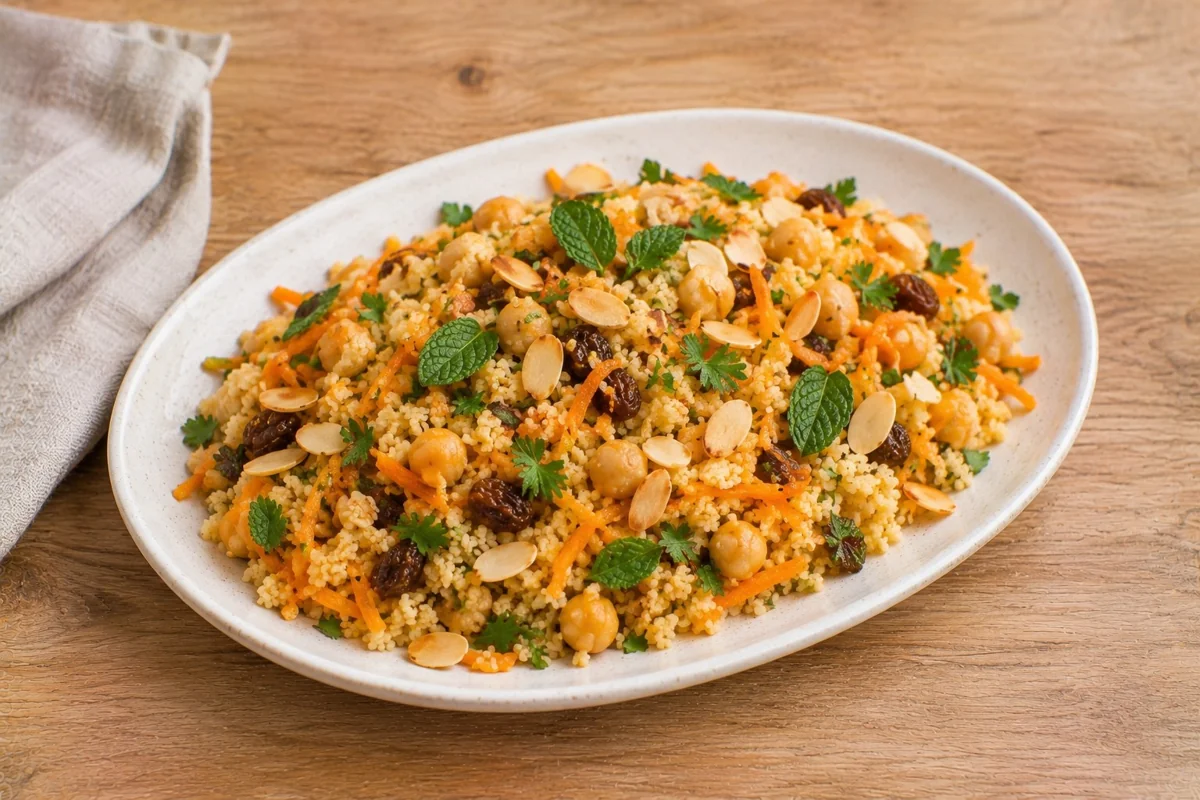
Moroccan Carrot & Chickpea Couscous Salad
A sunny, crunchy salad of fluffy couscous, sweet carrot, chickpeas, raisins and herbs in a cumin-lemon dressing. Perfect for meal prep.
20 min · Moroccan · Vegan, Vegetarian
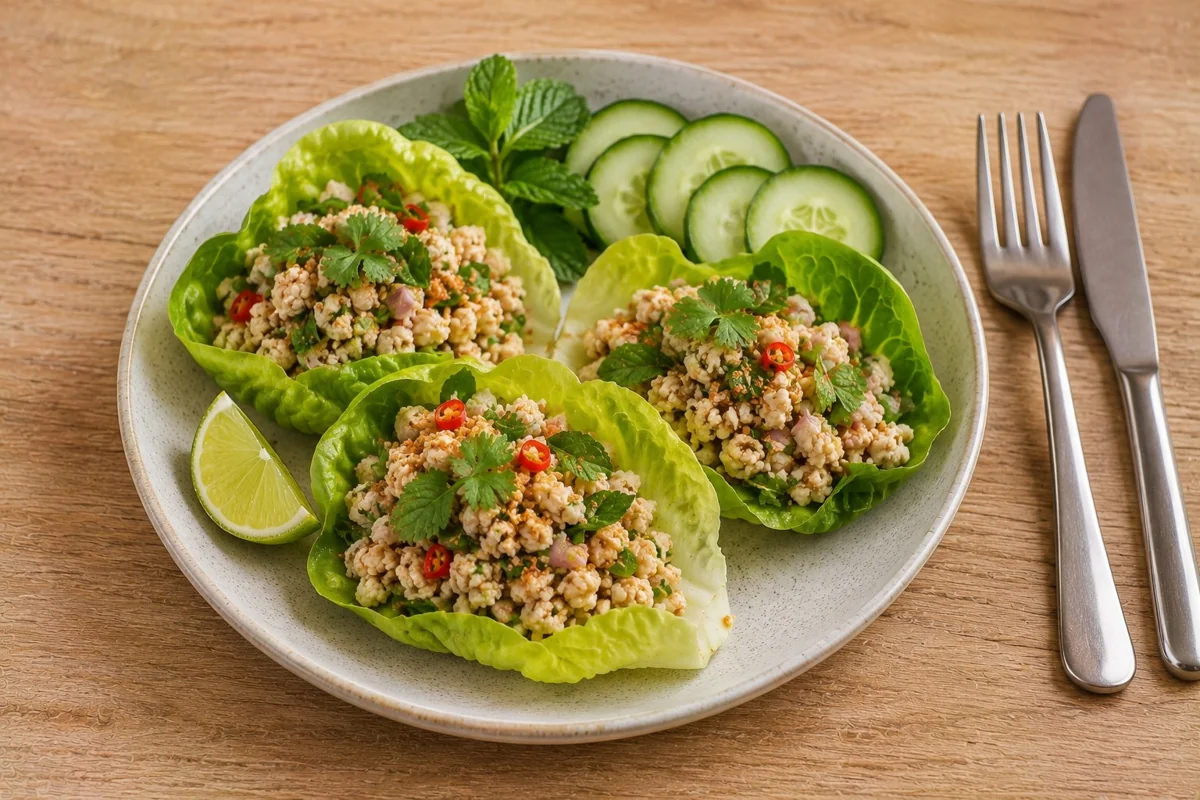
Larb Gai (Thai Chicken Lettuce Cups)
Zingy, herby minced chicken salad with lime, fish sauce, chilli and toasted rice, scooped into crisp lettuce cups. Light and full of punch.
20 min · Thai · Gluten free, Dairy free
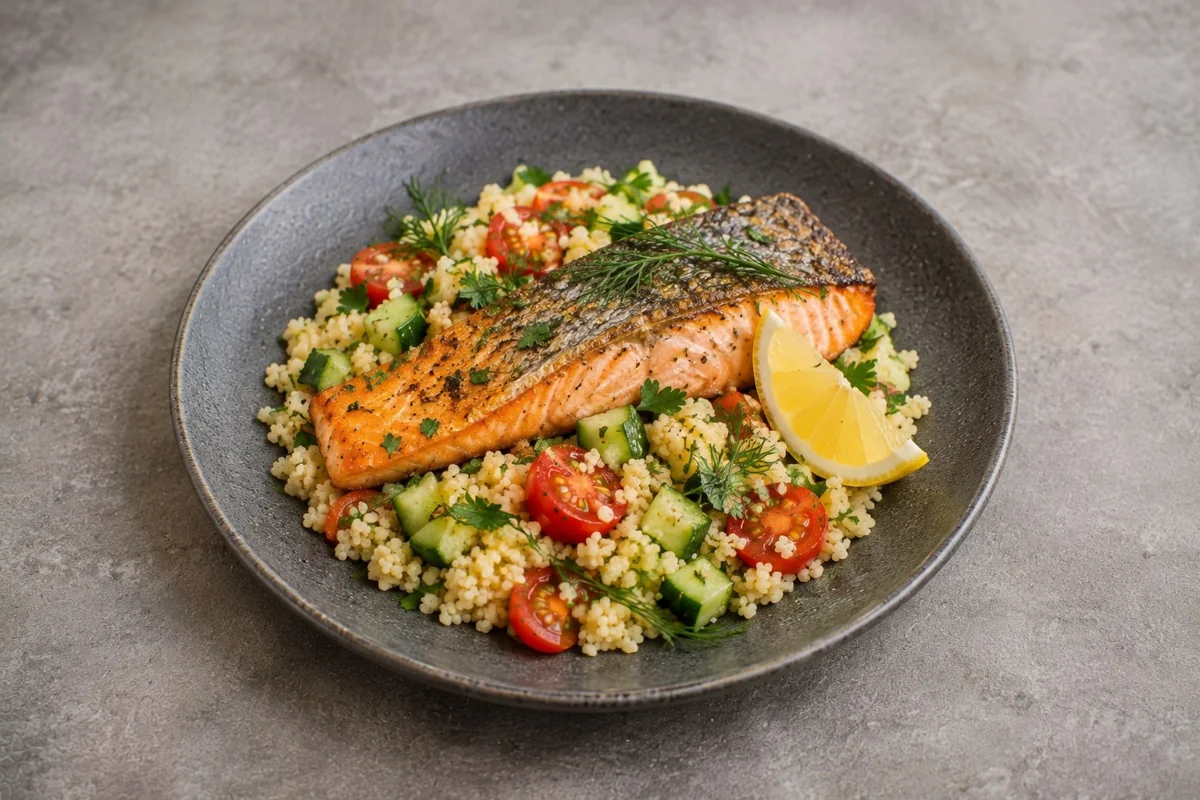
Lemon-Herb Salmon with Herby Couscous
Pan-seared salmon with a crispy skin over lemony couscous with tomatoes, cucumber and plenty of herbs. Fresh, fast and filling.
20 min · Mediterranean · Pescatarian, Dairy free
Can't choose between these? Spin the dinner wheel and let Salty pick one.
What makes a salad a meal
Build around something substantial, then add freshness rather than expecting leaves to do every job. Beans, lentils, eggs, fish, meat, tofu and cheese give a salad substance; potatoes, rice, couscous, noodles or bread can make it more satisfying. You don't need every category in every bowl. Start with what you enjoy, serve enough for your appetite and keep an extra helping within reach.
For a straightforward example, Greek Lentil Salad with Feta combines lentils and feta with cucumber, tomatoes and olives in a zesty oregano dressing. Prefer fish? Salade Niçoise brings tuna, eggs and potatoes together with green beans, tomatoes and olives. Both show how a dinner salad can have plenty going on without relying on a mountain of lettuce.
For an assembled version, use drained tinned pulses, ready-washed leaves and bread alongside. Swap cucumber for grated carrot when that's what's available, or use potatoes instead of grains. Solo eaters can assemble one portion and refrigerate the unused components separately. For couples or families with mixed diets, put a vegetable base on the table and offer separate toppings. Let everyone choose their combination without turning dinner into several different cooking projects.
Dressings
Dressing should reach the substantial ingredients, not just gloss the leaves. Toss potatoes, lentils or grains with a little dressing first, then fold in delicate greens near serving. Start modestly: you can add more, but rescuing a flooded bowl is less enjoyable. Taste a forkful containing several ingredients before deciding whether it needs more sharpness, salt or richness.
A simple oil-and-lemon dressing suits an assembled salad; mustard adds bite, while yoghurt gives a creamy finish. For a different direction, Air-Fryer Falafel Bowl with Tahini pairs herb falafel, couscous and tabbouleh-style salad with a creamy lemon tahini drizzle. If making your own tahini dressing, loosen it gradually with water until it coats rather than clumps. Bottled dressing is a perfectly practical option, too.
Keep dressing separate when sharing with someone who prefers less tang or a milder flavour. A couple can dress their own bowls; families can serve a small jug at the table. If swapping yoghurt for a plant-based alternative, choose an unsweetened version and taste before adding more lemon. With allergies in the household, check each recipe's allergen list and ingredient labels, including bottled sauces and dressings.
Warm vs cold salads
A salad dinner doesn't have to mean a cold dinner. Warm toppings bring contrast, while cold noodles, beans or potatoes make a useful base when you want dinner ready before you're hungry. Choose the temperature you actually fancy rather than treating salad as a summer-only decision. Warm bread alongside a chilled bowl can be enough to change the feel of the meal.
For contrast, Fattoush with Crispy Halloumi has crunchy bread, radishes, tomatoes and cucumber topped with golden halloumi. Add freshly cooked toppings just before eating so the vegetables keep their bite. Gado-Gado with Peanut Sauce takes another route: blanched vegetables, crispy tofu, eggs and potatoes with creamy, tangy peanut sauce, served at room temperature. It shows that salad texture can come from cooked vegetables as well as raw ones.
If adapting your own bowl, try warm roasted vegetables in place of some raw crunch, or exchange leafy greens for shredded cabbage when you want a sturdier base. For two people eating at different times, keep the warm and cold components separate until each person sits down. For a family, offer the same components individually so nobody has to commit to a fully mixed bowl.
Packable salads
A packable salad needs a little separation, not an elaborate container collection. Put substantial ingredients in the main tub, dressing in a leakproof pot and anything crisp in a dry compartment. Dry washed leaves thoroughly, and keep bread or crunchy toppings away from wet vegetables until eating. That way, tomorrow's dinner still has contrasting textures rather than one uniformly soft mouthful.
Moroccan Carrot & Chickpea Couscous Salad is a useful starting point: couscous, carrot, chickpeas, raisins and herbs with a cumin-lemon dressing, and a meal-prep tag to match. For your own assembled version, sturdy grated carrot or shredded cabbage can replace delicate leaves. Add softer herbs closer to eating if you prefer them fresher. Keep any swaps distinct from the original recipe when checking dietary suitability.
Solo households can portion a batch into separate meals; couples can share the base and pack different toppings. For family outings, individual dressing pots let everyone choose how much to add. Cool cooked components promptly before packing, refrigerate perishable salads and use an insulated bag with ice packs when a fridge isn't available. A salad intended to be eaten cold still needs chilled storage.
Salty's top 3
#1
Greek Lentil Salad with Feta
Salty picks this 15-minute lentil-and-feta salad for its crunchy vegetables, zesty oregano dressing and no-equipment simplicity.
#2
Gado-Gado with Peanut Sauce
Tofu, eggs and potatoes give this colourful salad plenty of substance, with creamy, tangy peanut sauce bringing everything together.
#3
Thai Peanut Noodle Salad
Cold rice noodles, crunchy vegetables and peanut-lime dressing make this vegan, meal-prep-friendly salad a tempting dinner to have waiting.
FAQ
Can a salad be enough for dinner?
Yes, a salad can be a complete dinner when the ingredients and portion suit your appetite. Give it substance with beans, lentils, tofu, eggs, cheese, fish or meat, then add vegetables and a dressing you enjoy. Bread, potatoes, grains or noodles can round it out. Leaves don't have to be the main ingredient.
What can I put in a salad to make it more filling?
Add ingredients with more substance than leaves alone: chickpeas, lentils, eggs, tofu, chicken or cheese are useful starting points. Potatoes, couscous, rice, noodles or bread can make the meal more substantial too. Try adding to a salad you already like rather than replacing everything, and adjust the portion to match your hunger.
How do you stop a salad going soggy?
Dry washed vegetables well and keep dressing separate until you're ready to eat, especially with delicate leaves. Store bread and crisp toppings away from moist ingredients. For packed salads, use sturdy vegetables such as carrot or cabbage, and cool cooked components before combining them with greens. Keep perishable ingredients refrigerated.
Can you make dinner salads ahead of time?
Yes, many dinner salads work well prepared in components. Cook and cool the substantial ingredients, wash and dry vegetables, then refrigerate them separately from crisp toppings and dressing. Lentil, couscous and noodle salads can be practical choices. Follow each recipe's storage guidance, and add delicate leaves or crunchy bread closer to serving.
What goes with salad for dinner?
Bread, a warm toastie, an omelette or a portion of cooked potatoes can turn a smaller salad into dinner. If the salad already contains substantial ingredients, you may not need anything alongside it. For a shared table, offer separate bread and toppings so people can build a plate that suits their appetite.
Text last updated
More collections
Not sure which one?
Tell Salty who's eating and get dinners that fit everyone.
Get personalized ideas