
Italian dinner recipes
These Italian dinner recipes help you choose tonight’s meal, from quick pasta to bubbling bakes and hearty bean soups. Find easy Italian food at home with clear cooking times, useful skill levels and options for different diets. Our 15 dinners take a regional route: Rome brings peppery cheese sauces, Liguria pairs basil pesto with pasta and potatoes, and Southern Italy supplies tomato-rich comfort. Rather than treating Italian food as one long restaurant menu, this collection explains what makes those approaches different and how they fit your household. Pick a beginner-friendly dinner when you want fewer decisions, or a more involved dish when you fancy spending longer at the hob. Salty, our cheerful blue salt-shaker, also helps you think through pantry shopping, chilli preferences and shared meals. Cooking for yourself, feeding a family or supplementing an ordered-in dinner? There’s room for your version of the evening.
Narrow it down
15 recipes
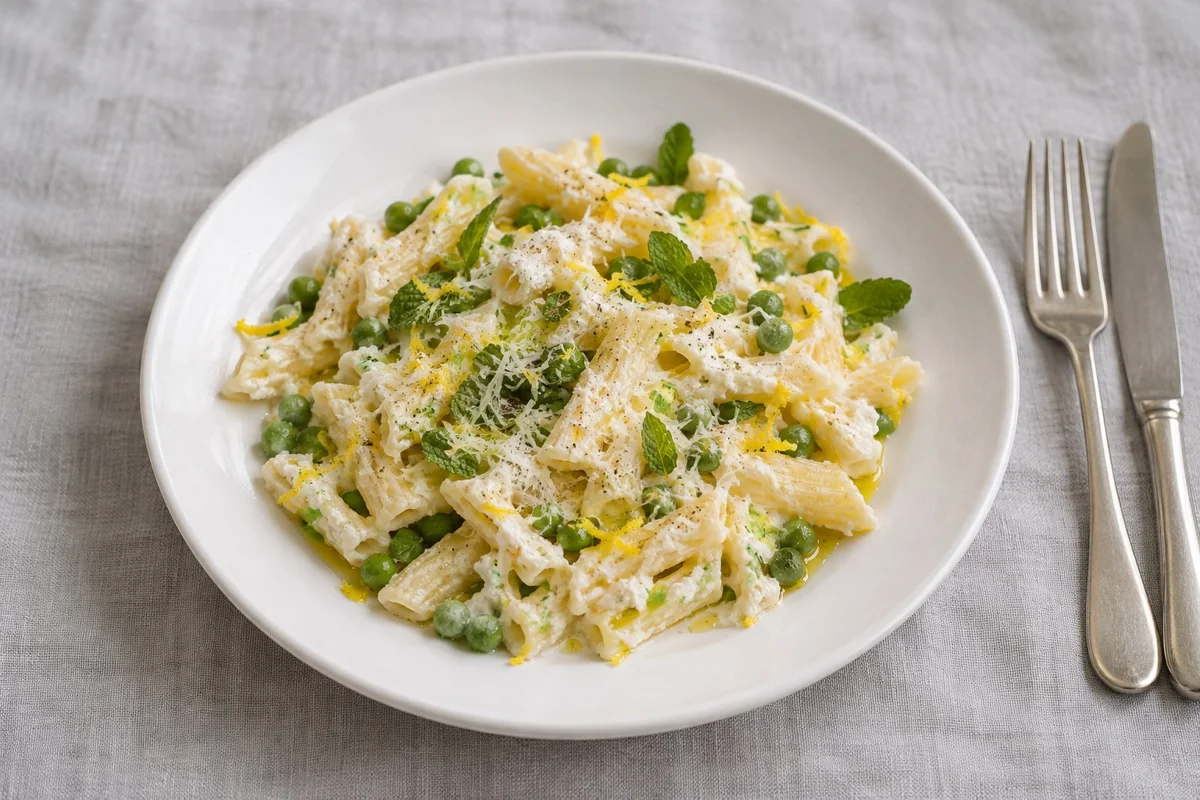
Lemony Ricotta & Pea Pasta
Spring in a bowl, any time of year: creamy ricotta, sweet peas, lemon zest, and mint tossed through pasta in 15 minutes flat.
15 min · Italian · Vegetarian
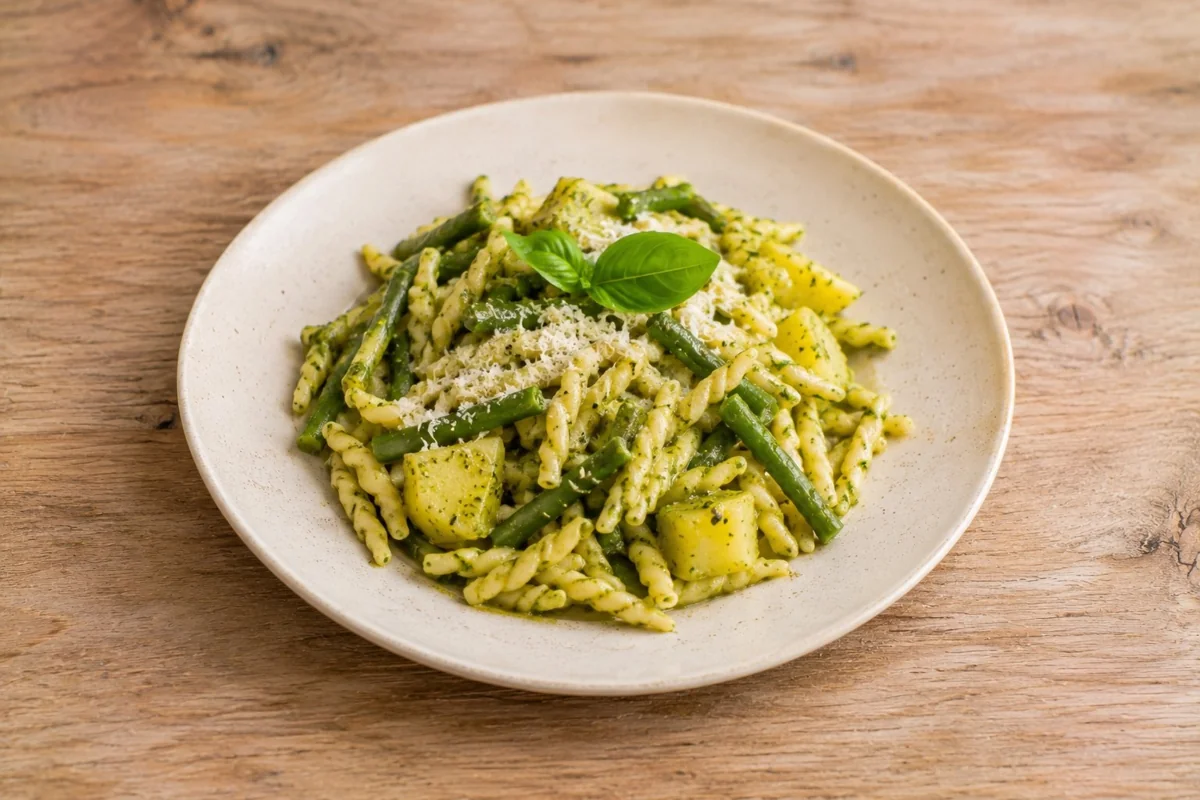
Trofie al Pesto Genovese
The Ligurian way: pasta, potatoes and green beans all cooked in one pot, then tossed with bright basil pesto. Carbs on carbs, and it works.
20 min · Italian · Vegetarian
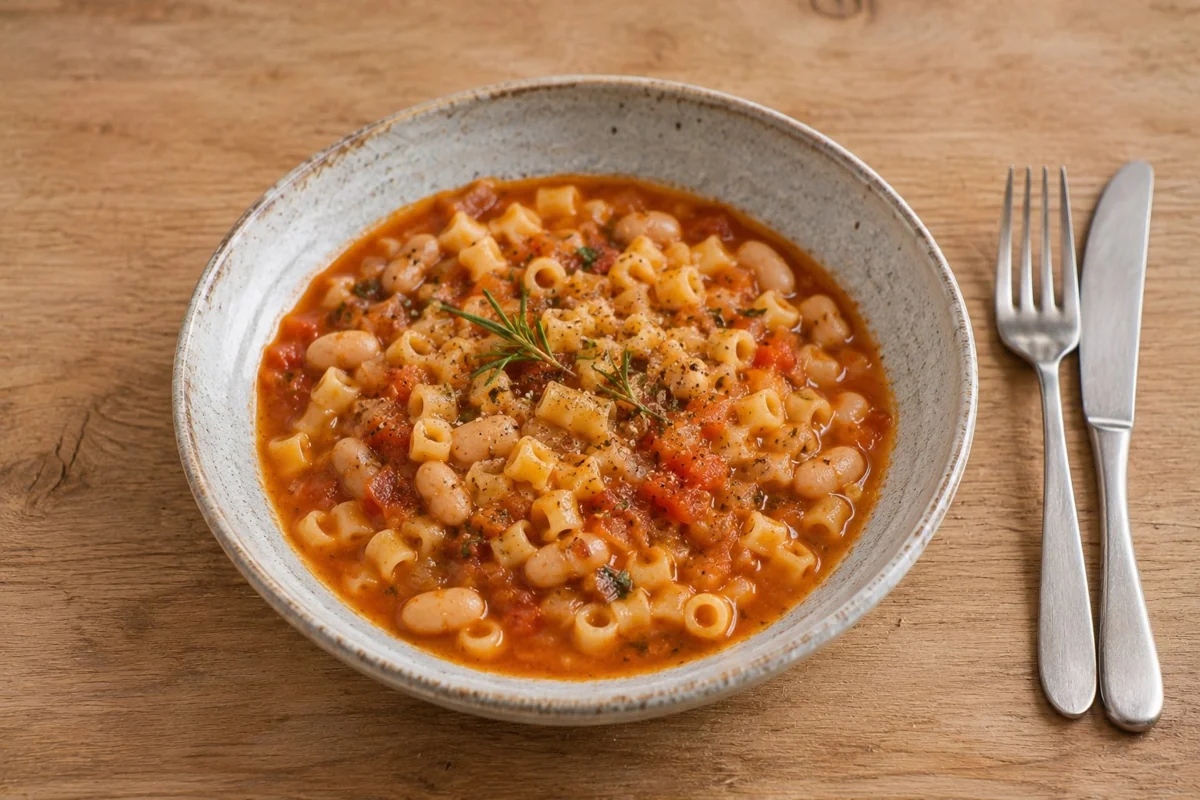
Pasta e Fagioli
Italy's thrifty, hearty bean and pasta soup with rosemary and garlic. Thick enough to eat with a fork, cozy enough for every week.
35 min · Italian · Vegan, Vegetarian
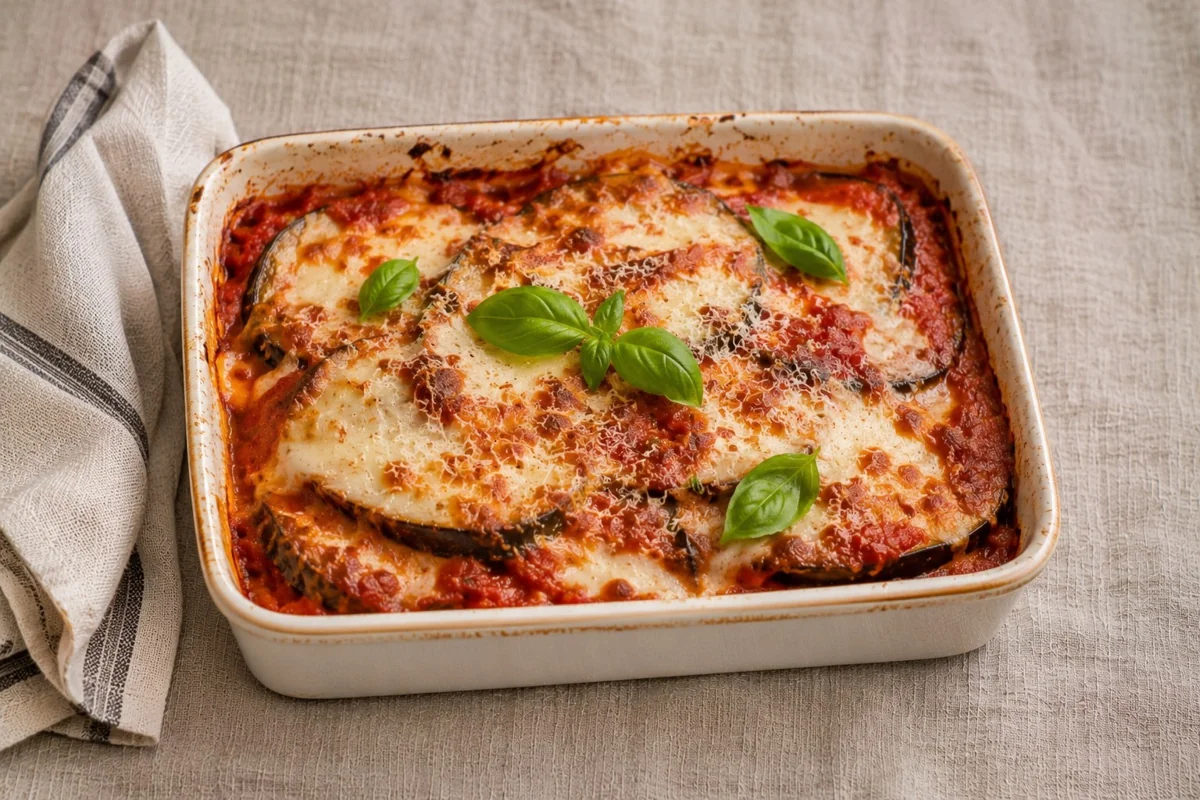
Melanzane alla Parmigiana
Silky roasted aubergine layered with rich tomato sauce, mozzarella and Parmesan. Southern Italian comfort that's naturally gluten-free.
70 min · Italian · Vegetarian, Gluten free
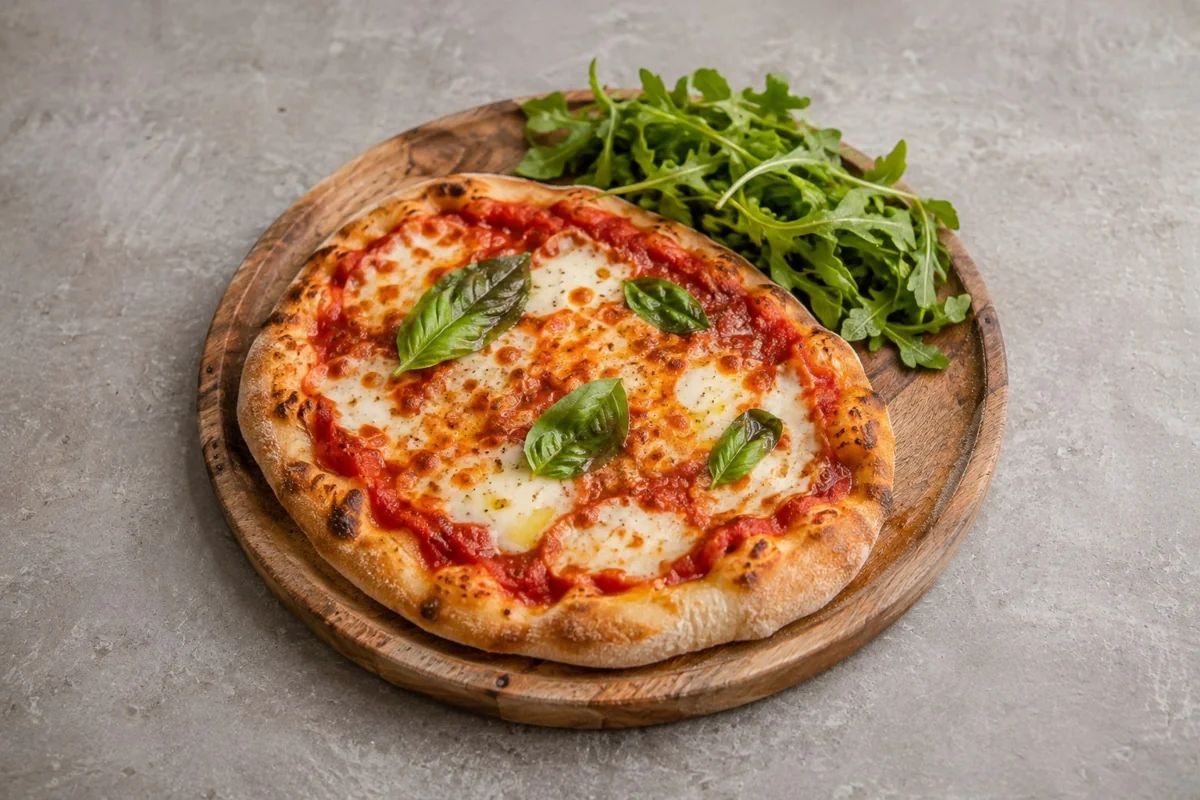
Quick Pizza Margherita
Homemade pizza without the stress: store-bought dough, a quick tomato sauce, melty mozzarella and fresh basil, with a rocket salad on the side.
25 min · Italian · Vegetarian
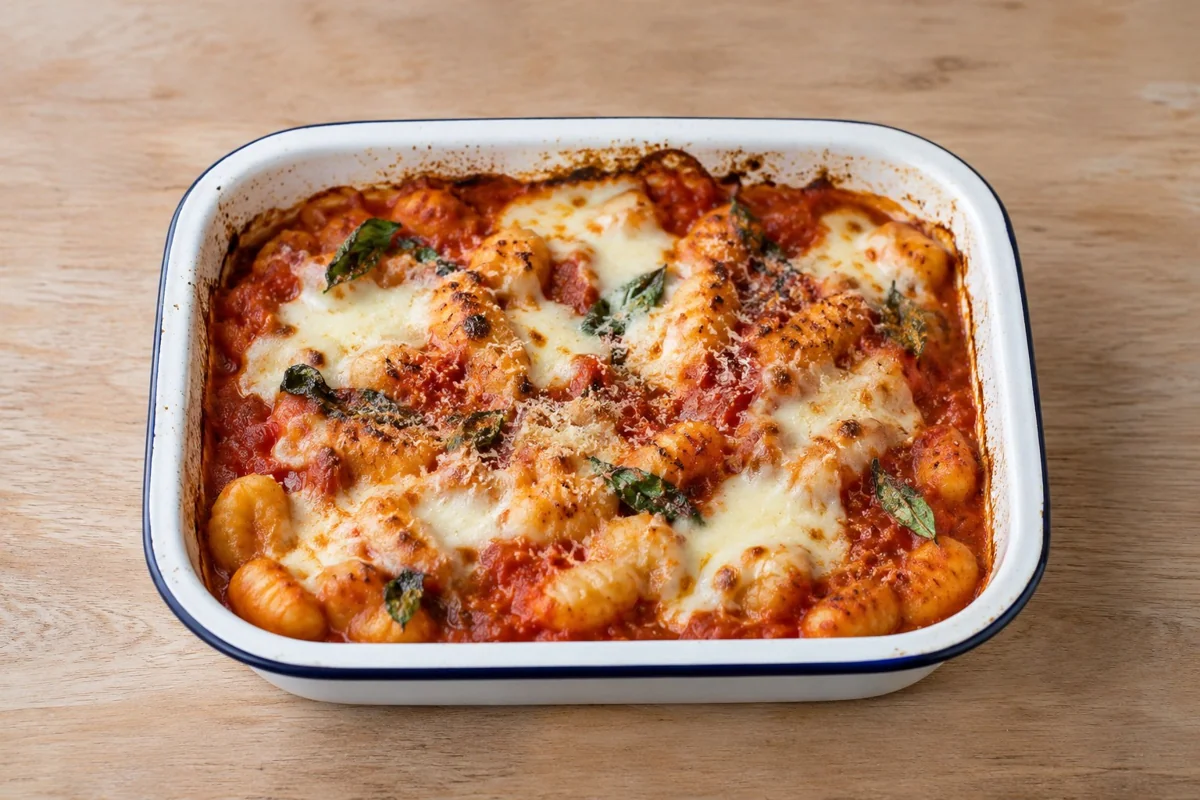
Baked Gnocchi alla Sorrentina
Pillowy gnocchi baked in a rich tomato-basil sauce under a blanket of bubbling mozzarella. Pure Italian comfort with almost no effort.
30 min · Italian · Vegetarian
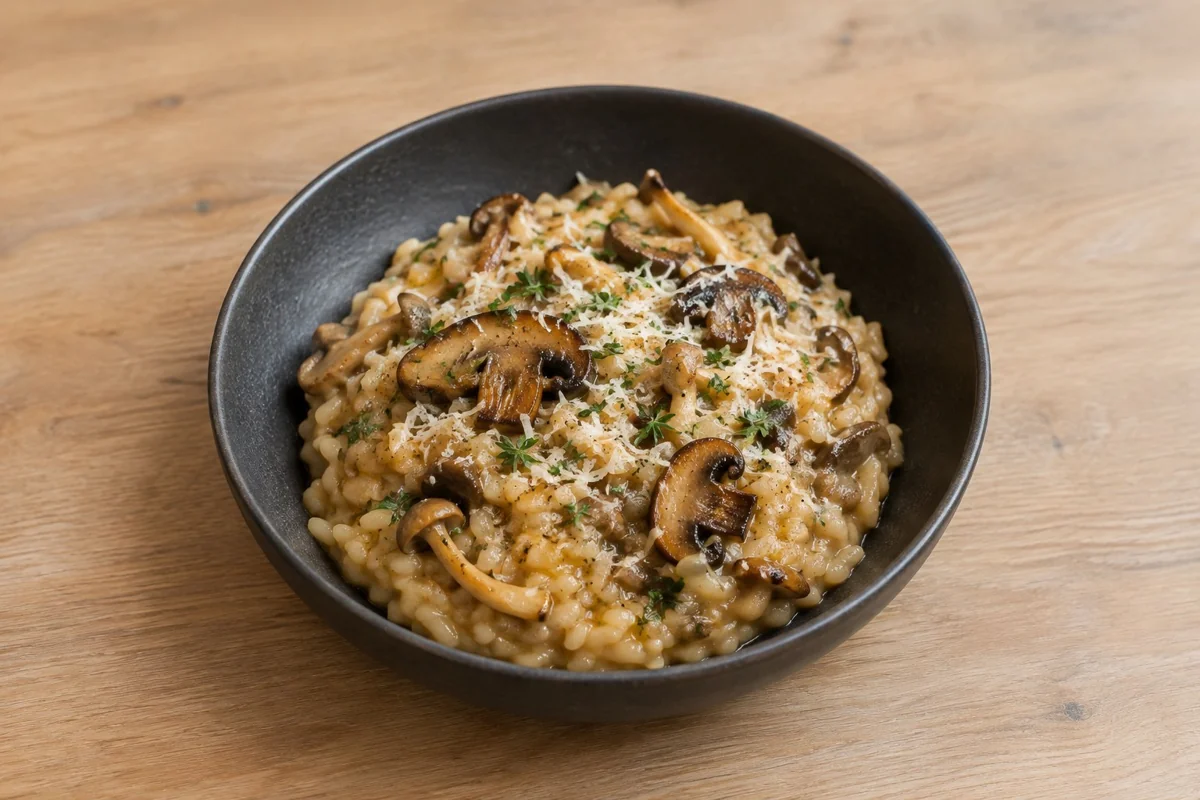
Creamy Mushroom Risotto
Silky, golden risotto with deeply browned mushrooms, a splash of white wine, and plenty of Parmesan. Your 35-minute ticket to Italy.
35 min · Italian · Vegetarian, Gluten free
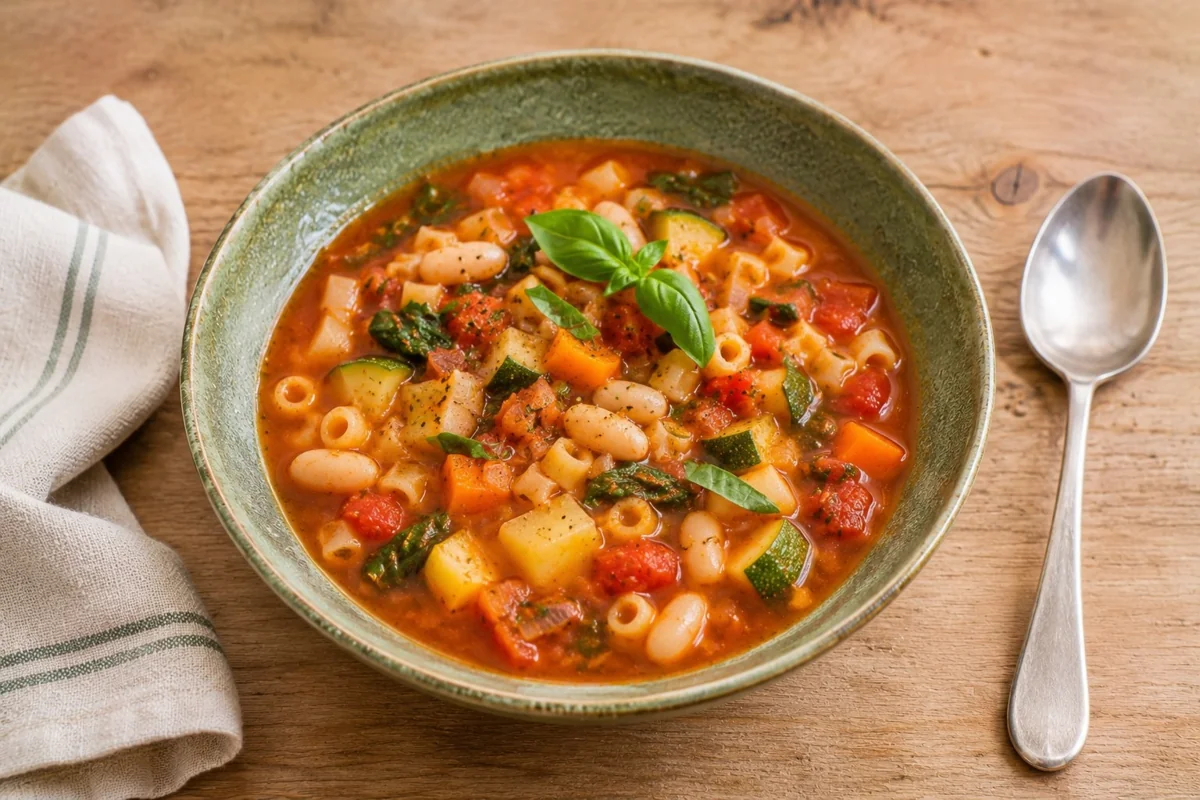
Garden Minestrone
A big, colourful bowl of vegetables, beans and little pasta in a tomato-herb broth. Light, filling and better the next day.
40 min · Italian · Vegan, Vegetarian
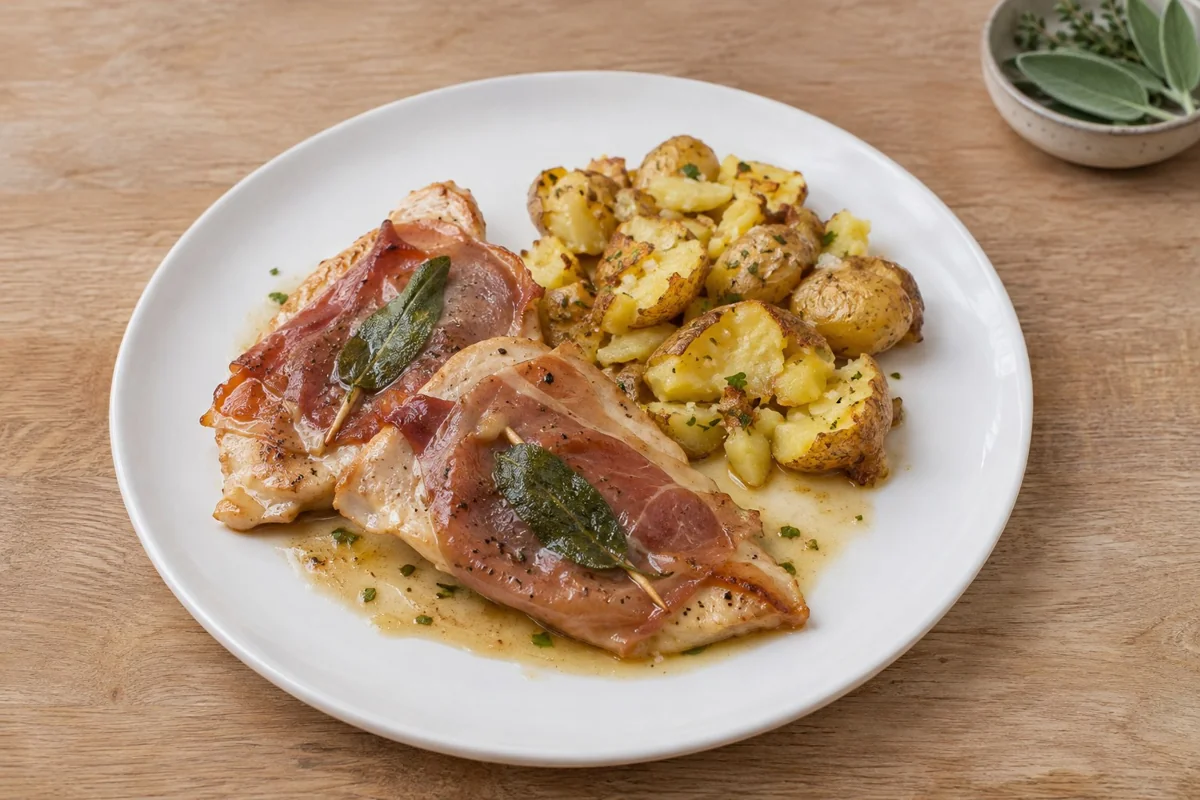
Chicken Saltimbocca with Crushed Potatoes
Thin chicken escalopes wrapped in prosciutto and sage, pan-fried and finished with a buttery white wine sauce. Italian elegance, weeknight speed.
20 min · Italian · Gluten free, High protein
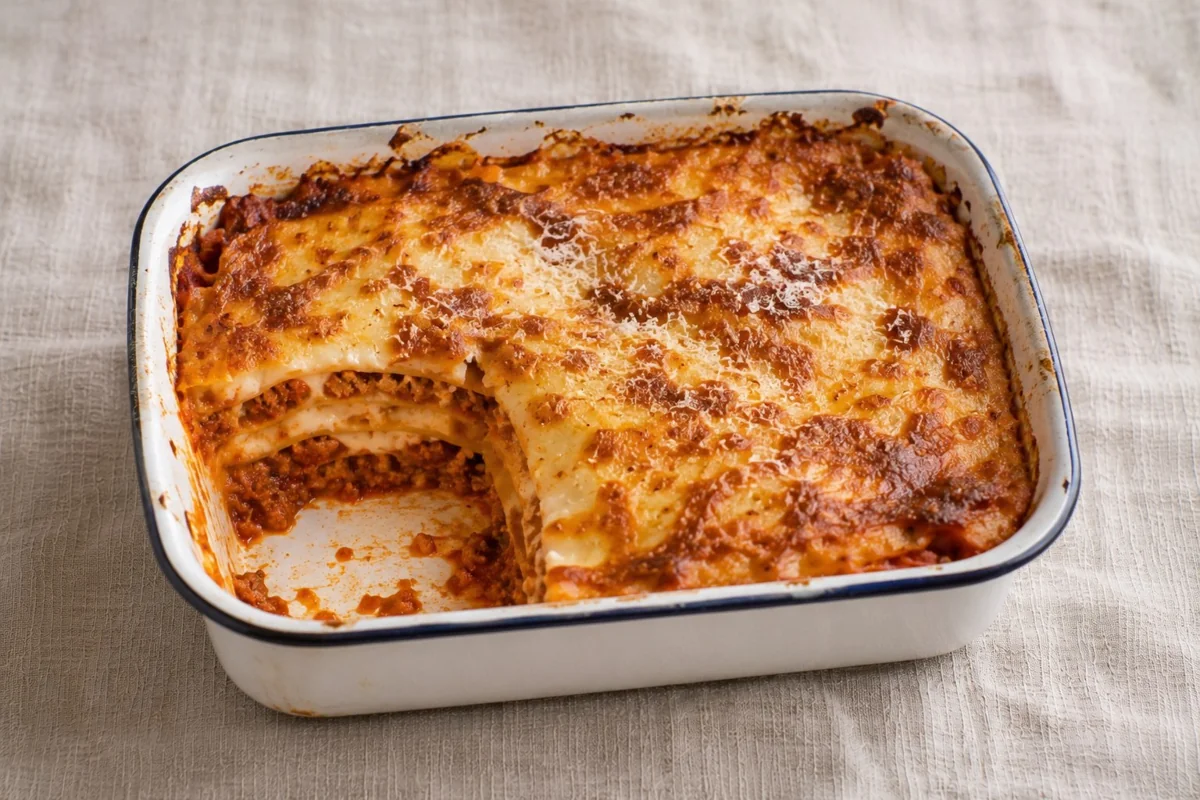
Lasagne Bolognese
Layers of slow-simmered beef ragù, silky béchamel and Parmesan baked until golden at the edges. The Sunday dinner everyone remembers.
90 min · Italian · High protein
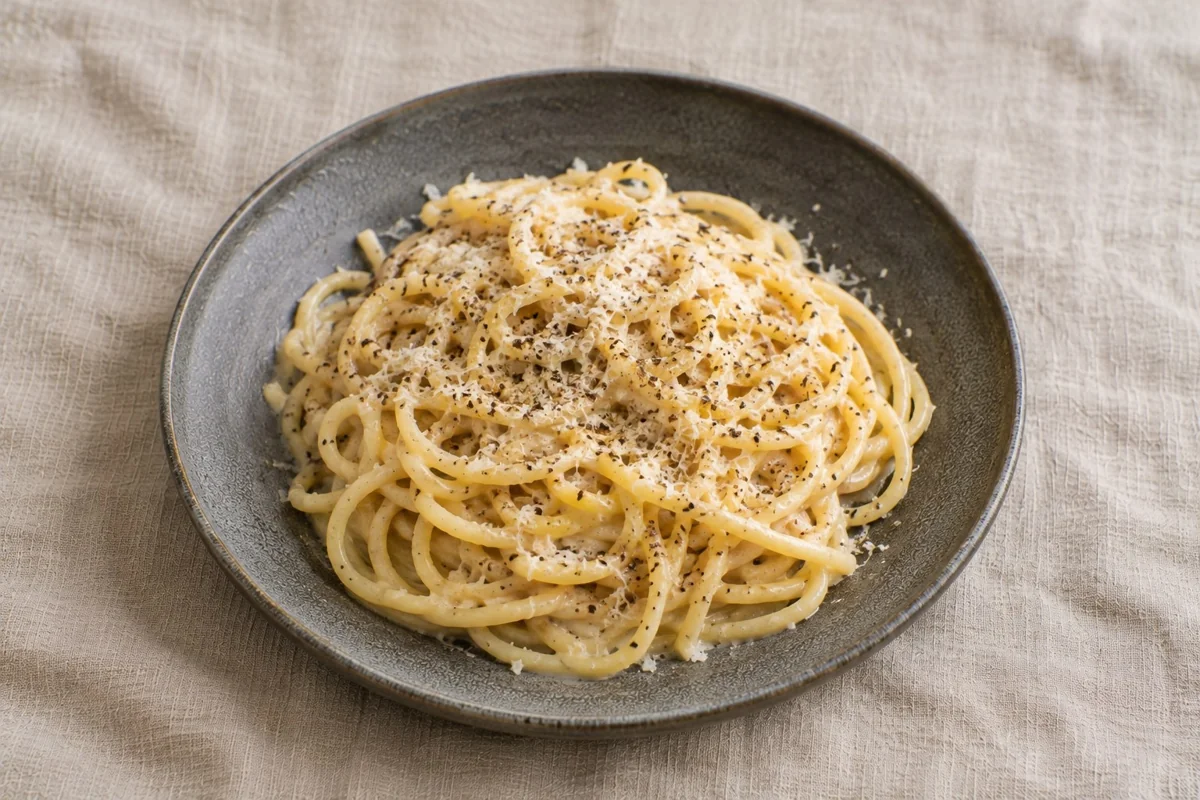
Cacio e Pepe
Three ingredients, pure Roman magic: peppery, creamy Pecorino pasta in 15 minutes.
15 min · Italian · Vegetarian
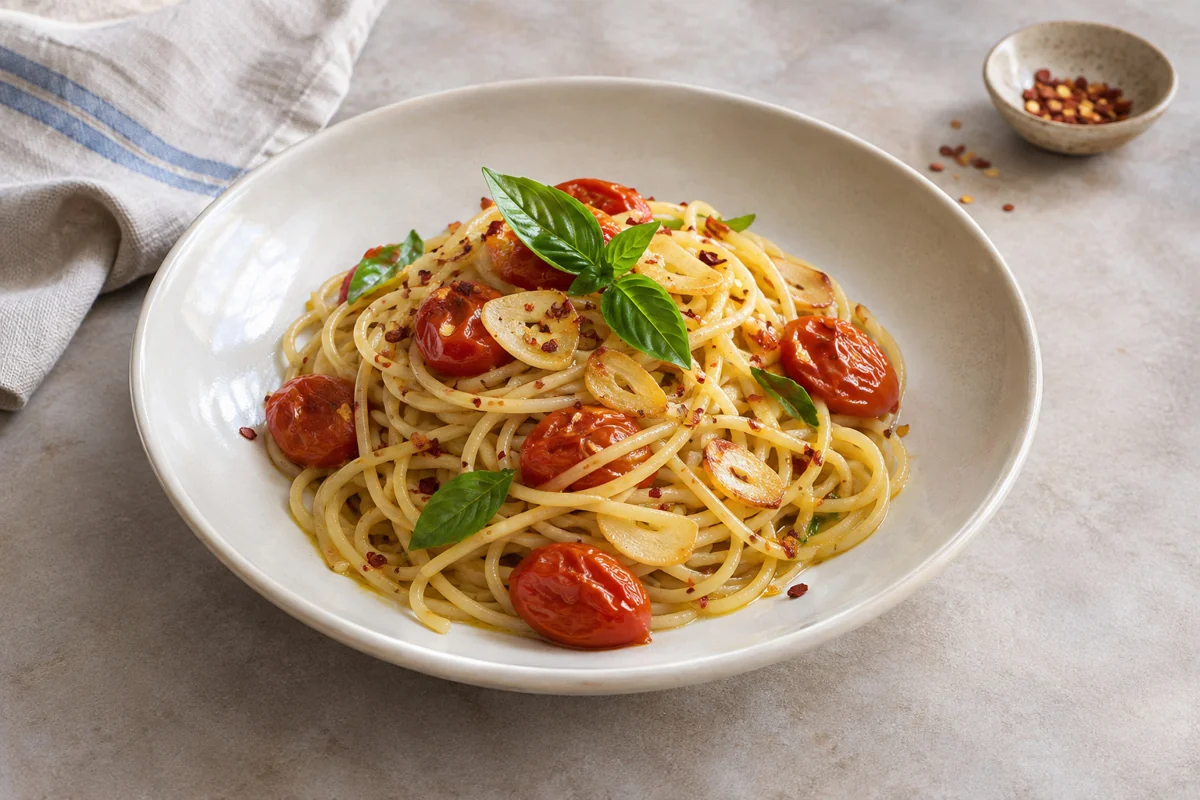
Cherry Tomato Spaghetti Aglio e Olio
Pantry magic: garlic-scented olive oil, blistered cherry tomatoes, chilli flakes, and basil tossed through glossy spaghetti.
15 min · Italian · Vegan, Vegetarian
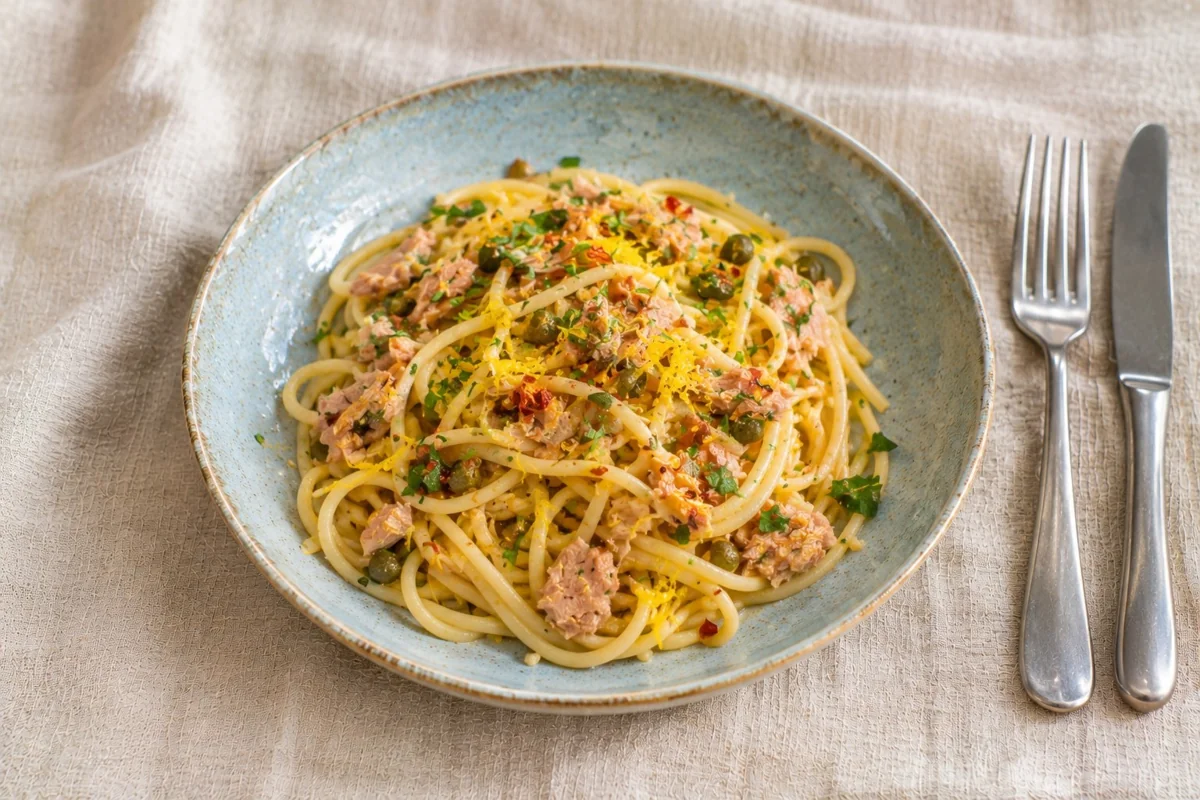
Lemony Tuna & Caper Spaghetti
A store-cupboard hero: flaked tuna, lemon zest, capers, garlic and chilli tossed through spaghetti. Fifteen minutes, big flavour.
15 min · Italian · Pescatarian, Dairy free
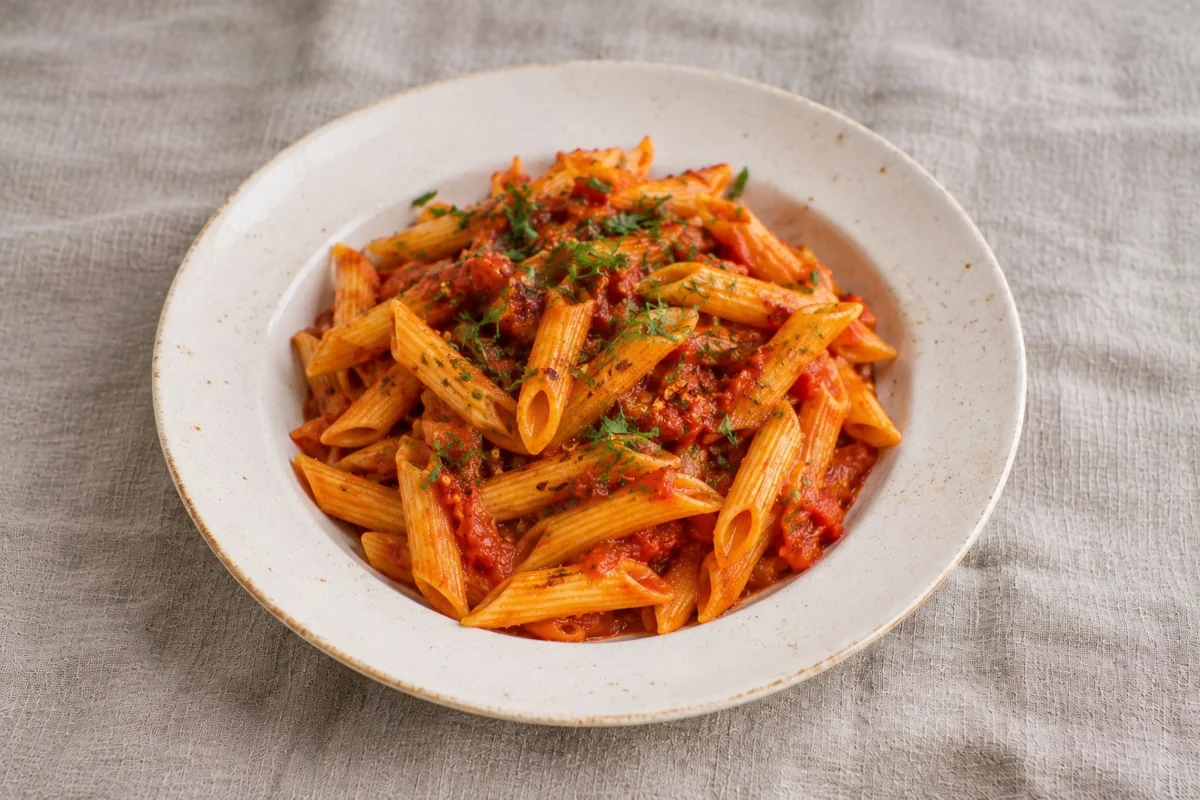
Penne all'Arrabbiata
Angry pasta in the best way: garlicky tomato sauce with a proper chilli kick. Pantry-friendly, vegan and done in 20.
20 min · Italian · Vegan, Vegetarian
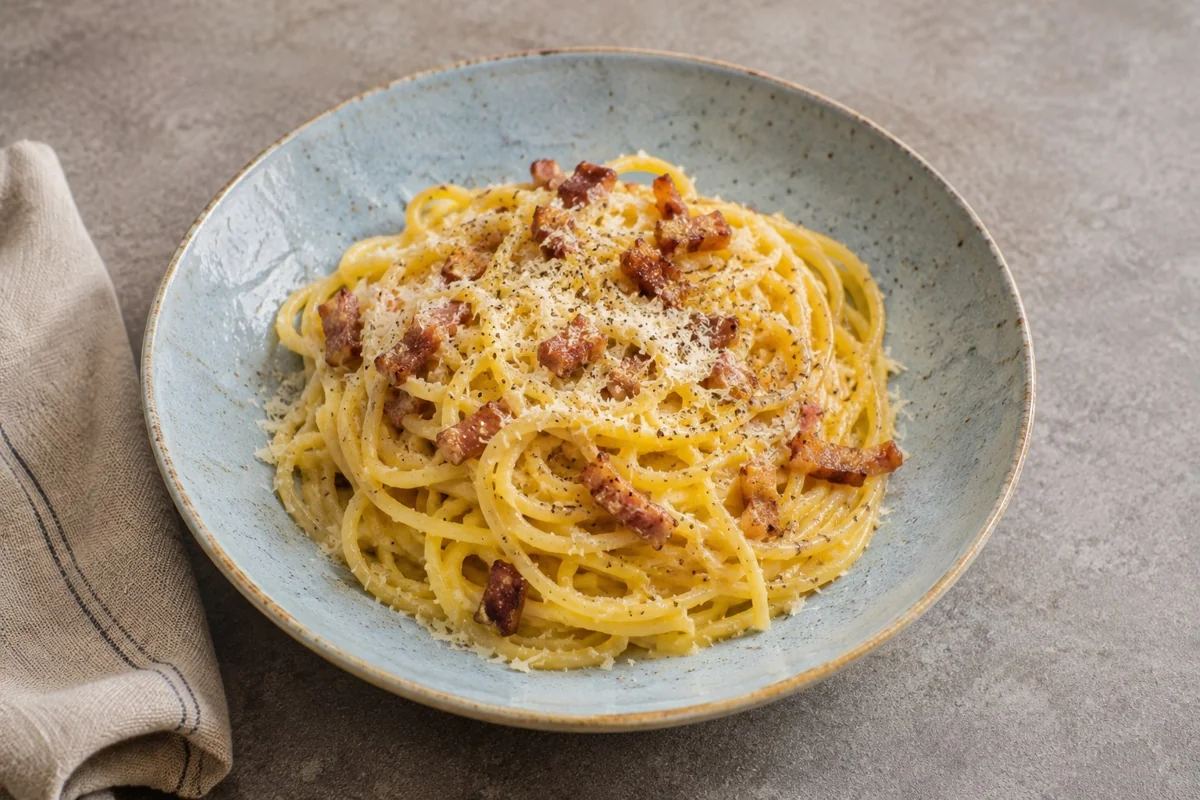
Proper Spaghetti Carbonara
The real Roman deal: crispy guanciale, silky egg yolk and Pecorino sauce, and absolutely no cream. Ready before the table is set.
20 min · Italian · High protein
Can't choose between these? Spin the dinner wheel and let Salty pick one.
What Italian home cooking is really like
Italian home cooking needn’t mean recreating a restaurant’s full sequence of courses. A bowl of pasta, a substantial soup or a vegetable bake can be the dinner you actually want. The useful question is not how many dishes belong on the table, but which dish suits your appetite, available equipment and evening.
Regional differences make choosing easier. Roman pasta often puts a small group of ingredients centre stage: cheese, pepper, eggs or cured pork, depending on the dish. Ligurian pesto brings basil into the picture, with potatoes and green beans joining pasta in this collection. Southern inspiration leans into the tomato, aubergine, basil and mozzarella combinations represented here. These are starting points, not rules for every Italian kitchen.
For a solo dinner, scale ingredients before switching on the hob. Couples can choose between a quick pasta and a longer bake; families may prefer a shared dish with optional extras at the table. If you’re assembling dinner around something bought ready-made or ordered in, borrow the regional flavour cues without making another main course.
Pantry staples to buy once
Build a small Italian shelf around ingredients you’ll use again: dried pasta, olive oil, tinned tomatoes, beans, garlic, black pepper and chilli flakes. Rice for risotto is worth adding if that dish appeals. Tuna and capers offer another direction, but they needn’t be compulsory purchases for a household that doesn’t eat fish.
“Buy once” means getting the foundations in place, not expecting everything to last indefinitely. Follow storage instructions, keep opened packets sealed and check what’s already there before shopping. Buy basil, lemons, vegetables and cheese to match your chosen dinner rather than stocking an imaginary trattoria. Frozen peas are handy when you want a small amount without planning another meal around the remainder.
Keep substitutions purposeful. A different pasta shape can work with a tomato sauce, although you should follow its packet instructions. Swapping one cheese for another changes flavour, saltiness and melting behaviour, so it isn’t always a straight exchange. For mixed diets, keep fish, meat and cheese separate where the dish allows. A couple can share the same tomato-and-pasta foundation without needing identical finishing touches.
Classic dishes explained
Start in Rome with Proper Spaghetti Carbonara: guanciale, egg yolk and Pecorino make the sauce, without cream. It takes 20 minutes and suits confident cooks. Gentle heat matters when combining eggs and pasta; the aim is a silky coating rather than scrambled eggs.
Also Roman, Cacio e Pepe puts Pecorino and pepper in charge. Its 15-minute timing doesn’t make it a beginner dish: getting cheese and pasta water to come together smoothly needs attention. Choose it when you want a short ingredient list and can focus on the hob.
For Liguria, Trofie al Pesto Genovese combines pasta, potatoes and green beans in one pot before adding basil pesto. This mild, beginner-friendly dinner takes 20 minutes. The potatoes are part of the point, not an accidental extra beside the pasta.
Head south with Baked Gnocchi alla Sorrentina, a 30-minute bake of gnocchi, tomato-basil sauce and mozzarella. It needs both hob and oven, so it’s a useful choice when bubbling cheese appeals more than a last-minute pasta sauce.
Another Southern option, Melanzane alla Parmigiana, layers roasted aubergine with tomato sauce, mozzarella and Parmesan. Allow 70 minutes for this beginner-friendly, gluten-free dish. It’s the vegetable-led comfort choice here, rather than a pasta bake with aubergine added.
For a different kind of comfort, Pasta e Fagioli is a thick bean and pasta soup with rosemary and garlic. This vegan, beginner-friendly option takes 35 minutes and uses one pot. Its meal-prep credentials make it worth considering when tomorrow’s dinner also needs a plan.
Making Italian food family-friendly or milder
Start with the household’s actual preferences rather than assuming everyone wants the same bowl. Mild ricotta-and-pea pasta, tomato-and-mozzarella bakes and bean soups offer different textures as well as flavours. A child who dislikes mixed textures may prefer peas served alongside; an adult might simply want more pepper. Neither needs a lecture from Salty.
For chilli-sensitive eaters, reduce or omit chilli in a suitable pasta sauce, then offer flakes separately. Arrabbiata is deliberately hot, so changing its chilli level changes its character, but dinner can still suit your table. Pepper also brings warmth: taste before adding more, especially when sharing a cheese-based sauce.
For mixed diets, choose a vegan base where practical and offer cheese separately. Carbonara’s pork, eggs and cheese are central to the dish, so a separate option may be simpler than trying to remove them. For vegetarian cheese choices, check the rennet information on labels. If allergies are involved, check each recipe’s allergen list and ingredient labels, including any substitutions. Scale portions for solo diners or couples before cooking; save larger, meal-prep-friendly dishes for occasions when leftovers are welcome.
Salty's top 3
#1
Lemony Ricotta & Pea Pasta
Salty’s quick pick combines ricotta, peas, lemon and mint in a mild, beginner-friendly pasta ready in 15 minutes.
#2
Trofie al Pesto Genovese
Pasta, potatoes and green beans share one pot in this mild Ligurian dinner, making regional variety approachable for beginners.
#3
Pasta e Fagioli
This hearty vegan bean and pasta soup earns Salty’s planning-ahead nod with one-pot cooking and meal-prep appeal.
FAQ
What are easy Italian dinners for beginners?
Lemony Ricotta & Pea Pasta takes 15 minutes and is beginner-friendly, while Quick Pizza Margherita uses store-bought dough and takes 25 minutes. For a one-pot option, Pasta e Fagioli takes 35 minutes. Choose by equipment and appetite as well as time: a short recipe isn’t automatically the easiest.
What do Italians eat for dinner at home?
Italian home dinners vary by region, household and season; they don’t have to follow a restaurant’s full menu. Pasta, soups, vegetables, meat or fish can all feature. This collection shows that variety through Roman pasta, Ligurian pesto with potatoes and green beans, and Southern tomato-and-cheese bakes.
What ingredients should I keep for Italian cooking?
A practical starting shelf includes dried pasta, olive oil, tinned tomatoes, beans, garlic, pepper and chilli flakes. Add rice if you enjoy risotto, or tuna and capers for fish-based pasta. Buy fresh herbs, vegetables and cheese around your chosen dishes, and follow ingredient storage instructions rather than treating every staple alike.
Can I make Italian food without cheese?
Yes. Cherry Tomato Spaghetti Aglio e Olio, Pasta e Fagioli, Penne all’Arrabbiata and Garden Minestrone are vegan and dairy-free options in this collection. Lemony Tuna & Caper Spaghetti is also dairy-free. If you’re avoiding milk because of an allergy, check each recipe’s allergen list and ingredient labels before choosing.
How can I make Italian pasta less spicy?
For pasta sauces containing chilli, use less or leave it out, then let people add flakes to their own portions. Choose a mild dish such as Lemony Ricotta & Pea Pasta if you’d rather avoid adapting a hot sauce. Black pepper can also feel warming, so adjust it to your household’s preferences.
Text last updated
More collections
Not sure which one?
Tell Salty who's eating and get dinners that fit everyone.
Get personalized ideas