
Japanese dinner recipes
These Japanese dinner recipes bring rice bowls, miso glazes and savoury noodles within reach of an ordinary evening. Start with a beginner-friendly dinner in 15–20 minutes, or choose crisp chicken katsu when you have longer and fancy a little crunch. Across 10 dinners, the focus is on useful flavours rather than a cupboard full of specialist purchases: dashi for savoury depth, miso for a rounded glaze, and donburi for the pleasing simplicity of dinner over rice. What makes this collection different is the help around the recipes: which staples earn their shelf space, how the dishes differ, and how to serve a shared meal without everyone needing identical toppings. Salty, our cheerful blue salt shaker, is firmly on team manageable dinner. Ready-cooked rice, separate sauces and a bowl assembled to suit your appetite all have a place here.
Narrow it down
10 recipes
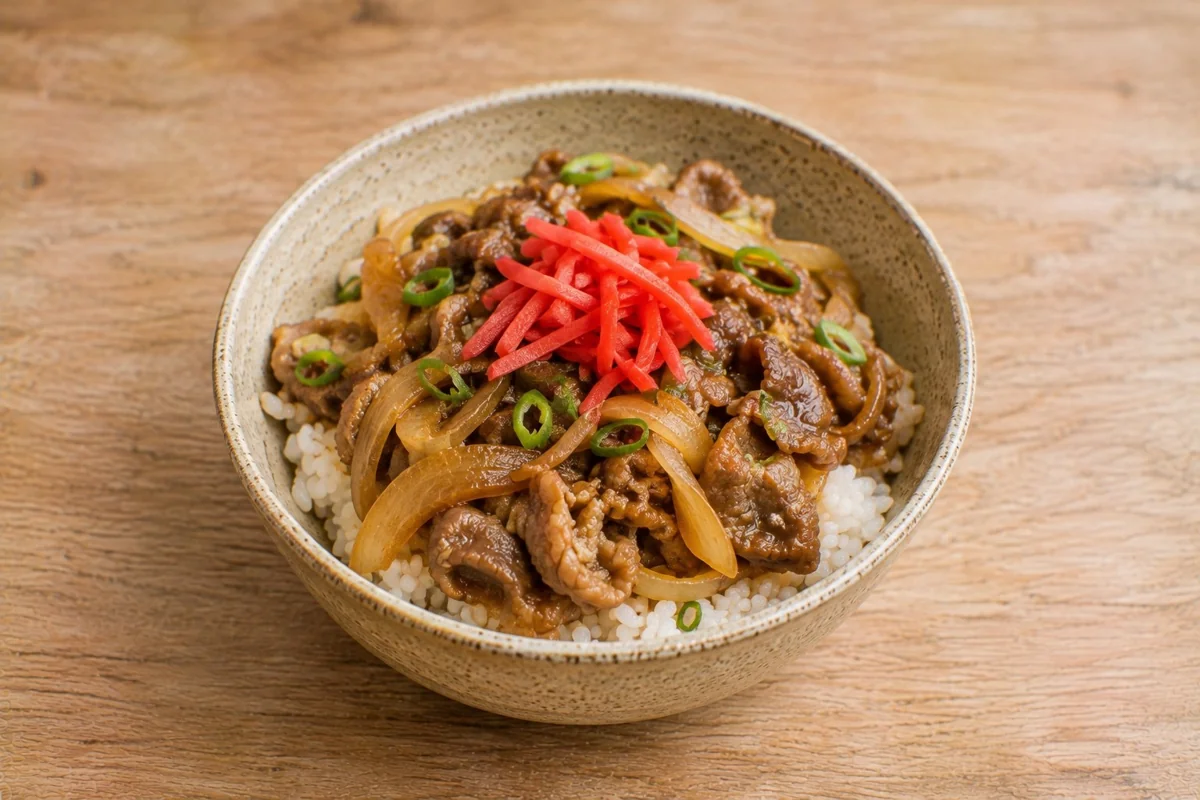
Gyudon (Japanese Beef Bowl)
Thin slices of beef and sweet onion simmered in a savoury dashi-soy broth and piled over rice. Tokyo's favourite fast dinner.
20 min · Japanese · Dairy free, High protein
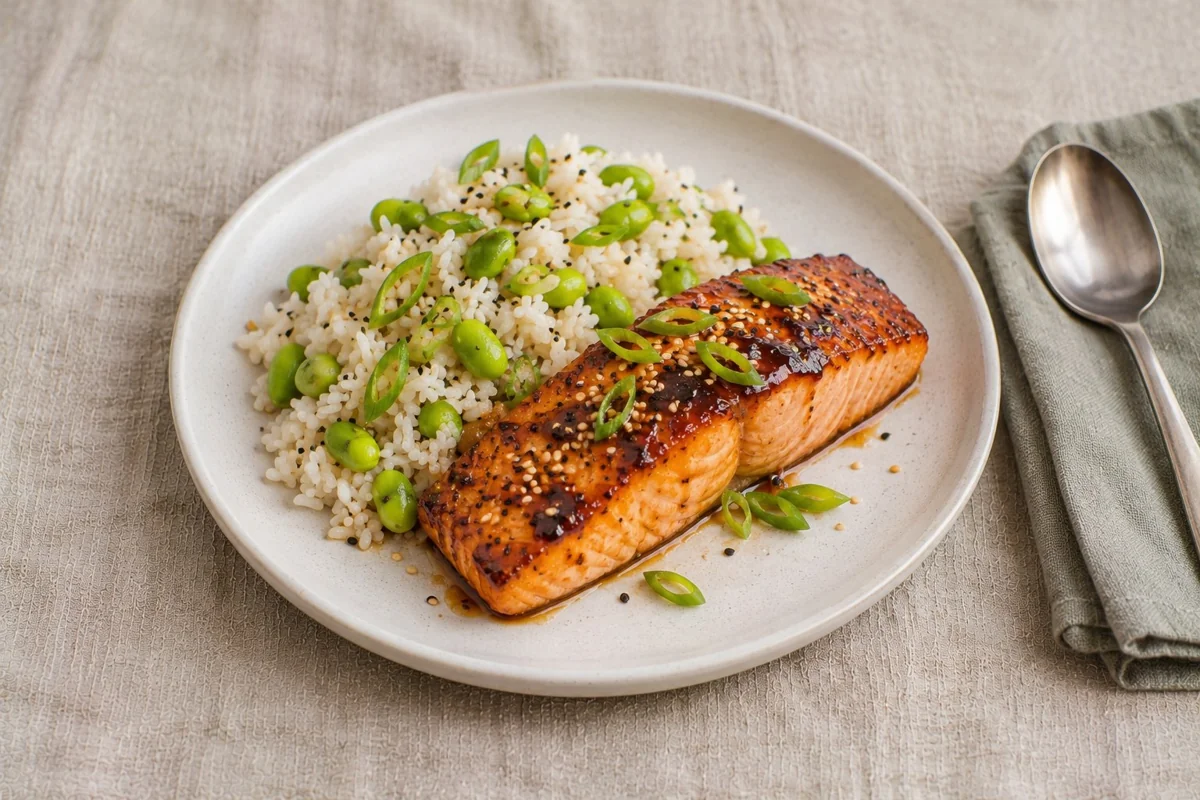
Miso-Glazed Salmon with Edamame Rice
Sweet-savoury miso glaze caramelised on tender salmon, with edamame-studded rice. Restaurant vibes in 20 minutes.
20 min · Japanese · Pescatarian, Dairy free
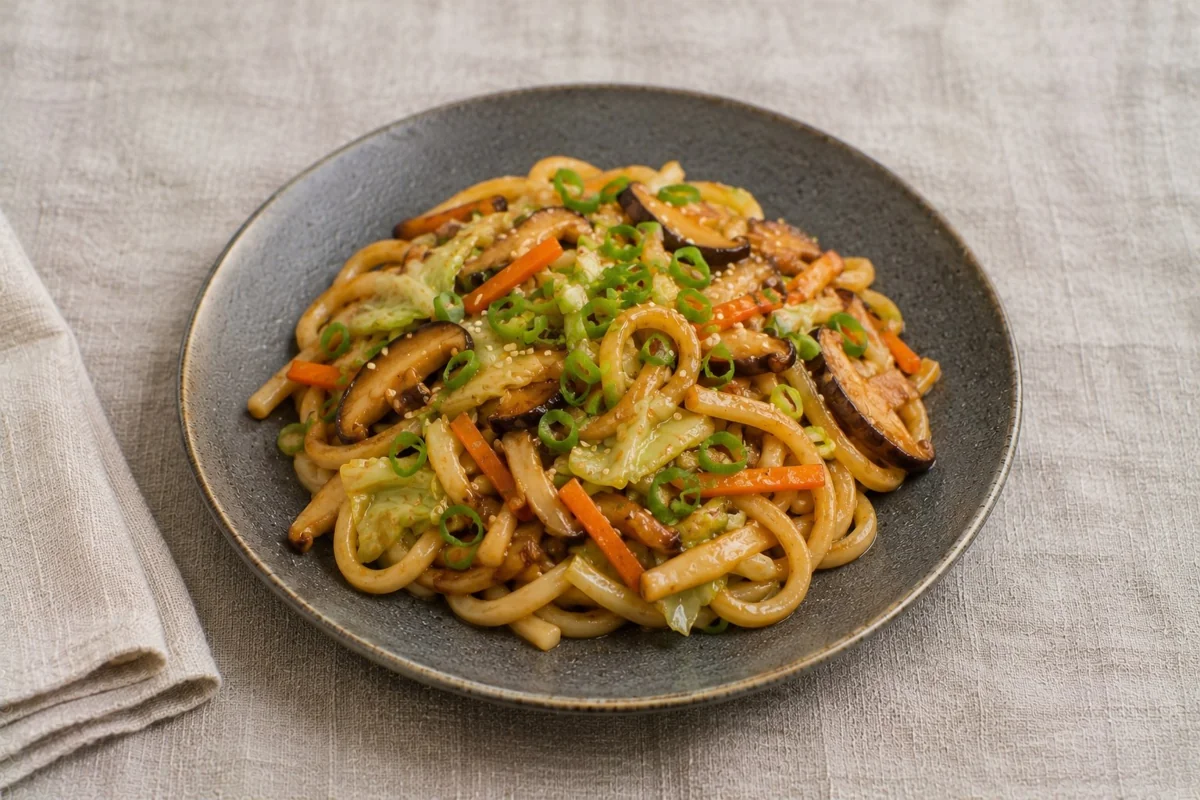
Veggie Yaki Udon
Thick, chewy udon noodles stir-fried with mushrooms, cabbage and carrot in a glossy soy-mirin sauce. Fifteen minutes to slurp heaven.
15 min · Japanese · Vegan, Vegetarian
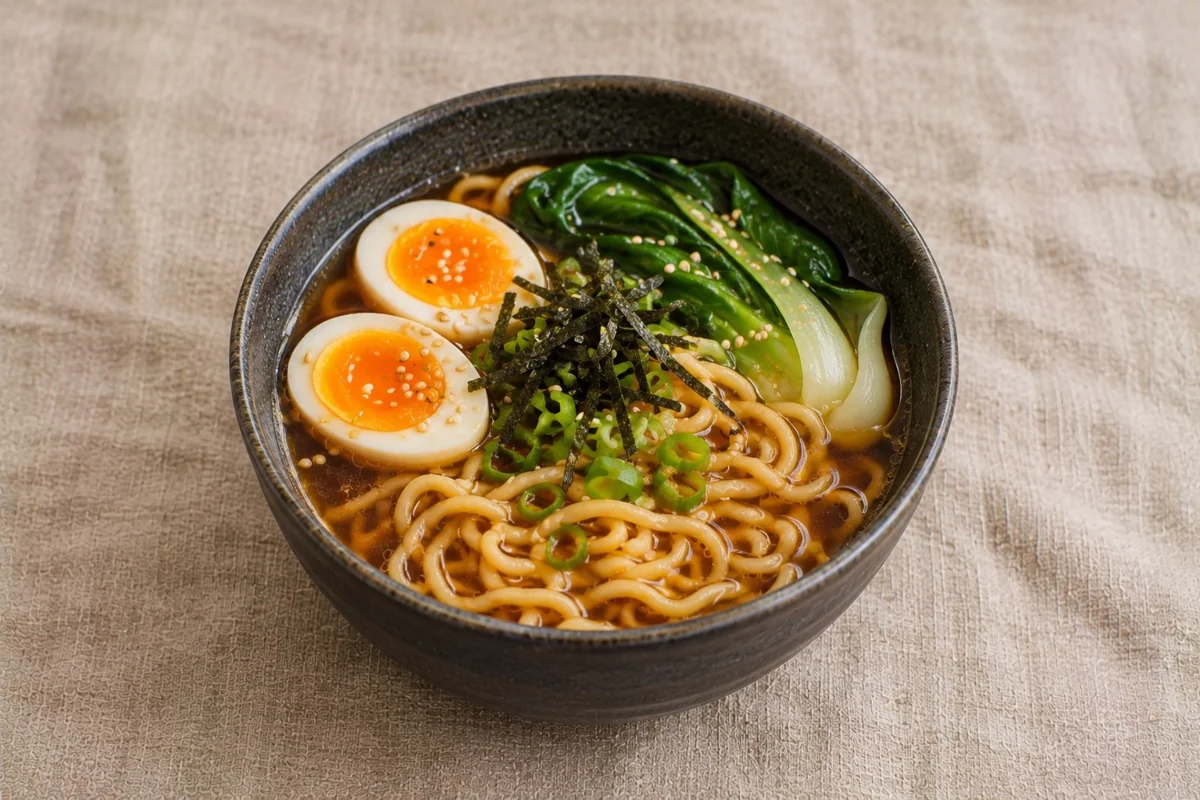
15-Minute Shoyu Ramen with Jammy Egg
Savoury soy-ginger broth with springy ramen noodles, jammy eggs, pak choi and nori. Your cozy ramen shop, minus the queue.
25 min · Japanese · Dairy free
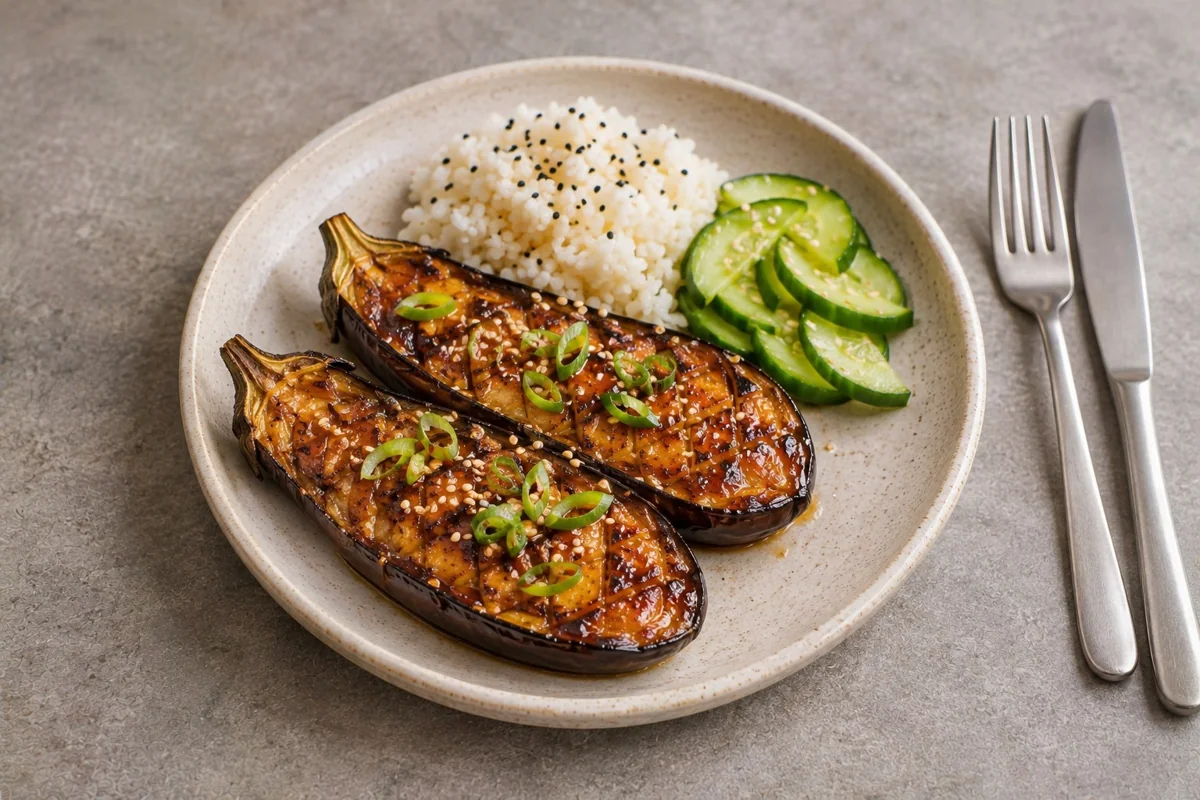
Miso-Glazed Aubergine (Nasu Dengaku)
Silky roasted aubergine halves lacquered with sweet miso glaze and sesame, served with rice and cucumber. Vegan and seriously moreish.
30 min · Japanese · Vegan, Vegetarian

Oyakodon (Chicken & Egg Rice Bowl)
'Parent and child' bowl: tender chicken and softly set egg simmered in sweet dashi-soy broth over rice. Gentle, cozy, very Japanese.
20 min · Japanese · Dairy free, High protein
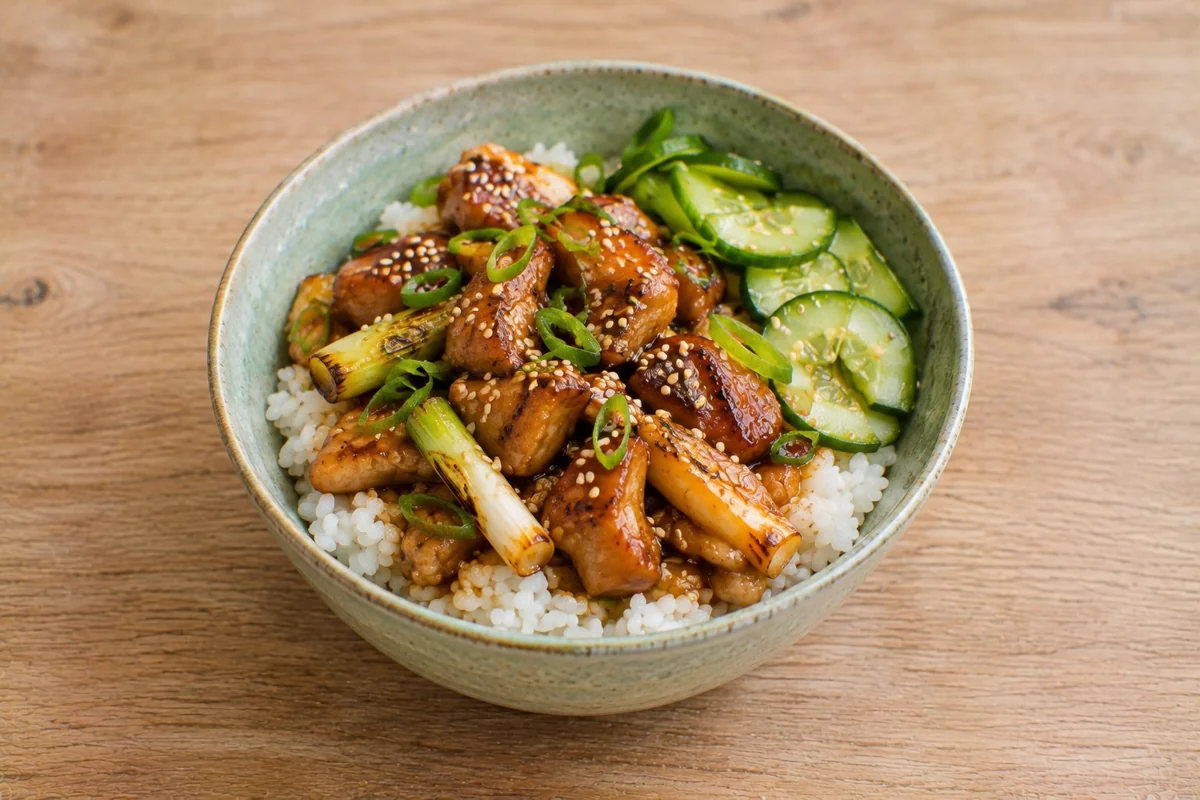
Chicken Yakitori Rice Bowl
Sticky, smoky glazed chicken thigh pieces with spring onions over fluffy rice. Japanese izakaya flavours without the skewers.
25 min · Japanese · Dairy free, High protein

Chicken Katsu Curry
Shatteringly crisp panko chicken with a mellow, sweet Japanese curry sauce and fluffy rice. A cult favourite made at home.
45 min · Japanese · High protein, Dairy free
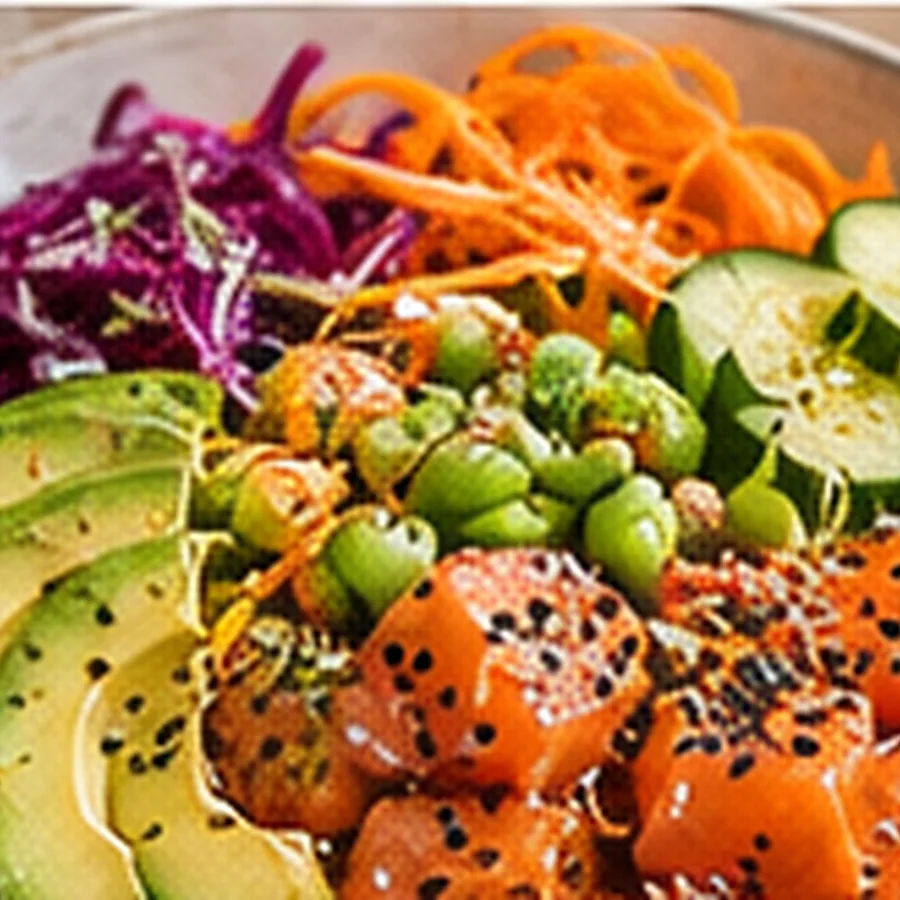
Fresh Salmon Poke Bowl
Silky sushi-grade salmon in a soy-sesame dressing over sushi rice, with edamame, mango, avocado, and crispy seaweed.
25 min · Japanese · Pescatarian, High protein
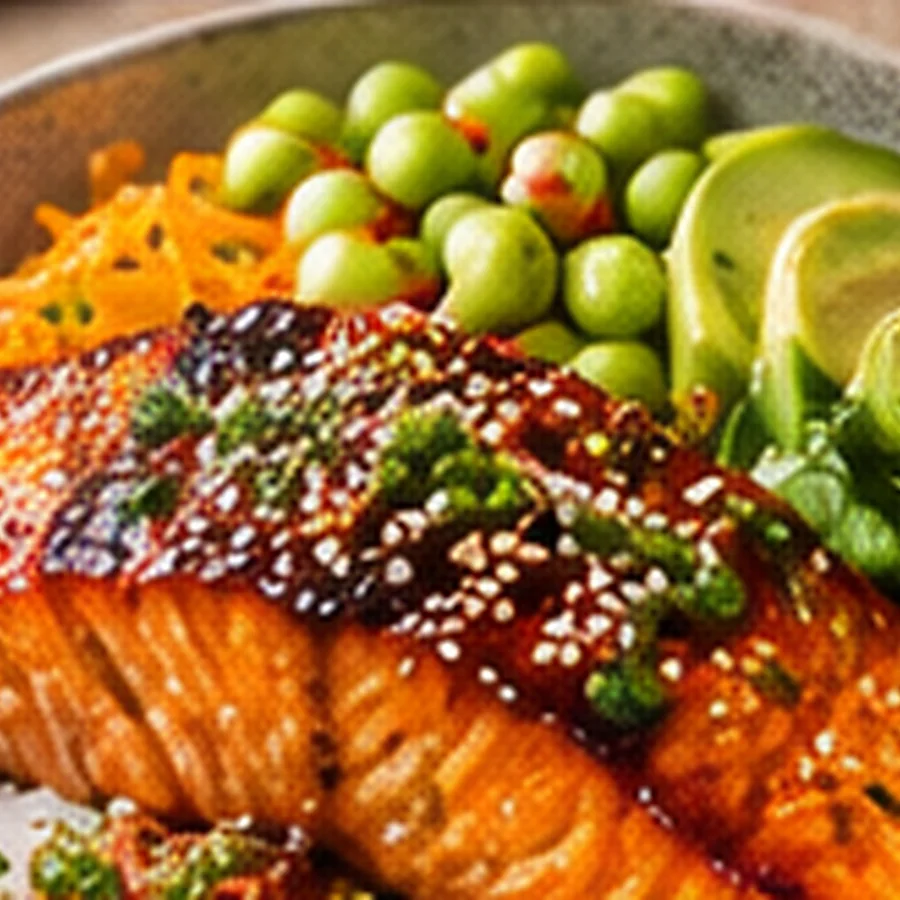
Sticky Teriyaki Salmon & Greens
Glossy, sweet-salty teriyaki salmon from the air fryer with garlicky pak choi and rice — dinner in 20 minutes flat.
20 min · Japanese · Pescatarian, High protein
Can't choose between these? Spin the dinner wheel and let Salty pick one.
What Japanese home cooking is really like
Japanese home cooking is broader than sushi counters and elaborate restaurant menus suggest. A bowl of rice, something savoury and vegetables can provide a straightforward starting point; dinner need not involve several carefully arranged courses. Shop-bought shortcuts can sit comfortably alongside something freshly cooked, especially when the aim is simply to get everyone fed.
Three ideas help explain this collection. Dashi is a stock that supplies savoury depth without necessarily making a dish taste heavy. Miso is a fermented paste, commonly made with soya beans, that adds saltiness and rounded flavour. Donburi means a rice bowl, with the topping turning that rice into the main event. In Oyakodon (Chicken & Egg Rice Bowl), chicken and softly set egg meet a sweet dashi-soy broth: gentle flavours, with plenty happening in each spoonful.
For a solo dinner, portion the topping around your appetite rather than building an elaborate spread. For a couple, share the same rice base and adjust the finishing touches separately. Assembling dinner from prepared rice and a freshly cooked topping is still a useful way to make these flavours part of your week.
Pantry staples to buy once
Buy for the dishes you actually want to eat, not an imaginary fully stocked Japanese kitchen. Soy sauce, miso, rice and a suitable dashi are useful starting points for this collection. Add mirin for sweet-savoury sauces, then choose noodles, panko or sesame according to your next recipe. These ingredients serve different jobs; you do not need every packet before dinner can happen.
Instant dashi is a practical alternative to making stock from scratch. Many versions contain fish, while kombu or shiitake-based options can suit a plant-based adaptation; check the ingredients rather than relying on the word ‘stock’. White miso is generally milder and sweeter than darker varieties, making it an approachable starting point for glazes such as Miso-Glazed Salmon with Edamame Rice. Refrigerate miso after opening according to its label.
If you lack mirin, a little sugar dissolved in water can provide sweetness, although it will not reproduce mirin's full flavour. Add cautiously and taste. Ready-cooked rice can reduce the assembly work; follow its heating instructions. For allergies, check each recipe's allergen list and ingredient labels, including sauces and stocks: similar-looking products can have different ingredients.
Classic dishes explained
Donburi is a useful first stop for easy Japanese food at home. Gyudon (Japanese Beef Bowl) pairs thin beef slices and sweet onion with a dashi-soy broth over rice. It takes 20 minutes and is beginner-friendly: a good choice when you want a savoury bowl rather than a crisp coating or a noodle soup. Thinly sliced beef matters because thick chunks behave differently in a quick simmer.
For noodles instead of rice, Veggie Yaki Udon brings thick, chewy udon together with mushrooms, cabbage and carrot in a soy-mirin sauce. This vegan dinner takes 15 minutes and uses the hob. Have the vegetables ready before you start so the stir-frying feels manageable rather than hurried.
Miso-Glazed Aubergine (Nasu Dengaku) puts miso in the spotlight: roasted aubergine halves get a sweet glaze and sesame, with rice and cucumber alongside. This beginner-friendly vegan option takes 30 minutes. It gives a mixed-diet table a plant-based centrepiece without asking everyone to eat a meat substitute.
Chicken Katsu Curry is the crunchier, more involved choice, with panko-coated chicken, mellow sweet curry sauce and rice. Allow 45 minutes and a confident skill level. Serve the sauce beside the chicken if someone values maximum crunch or prefers to control each mouthful.
Making Japanese food family-friendly or milder
Every recipe in this collection is marked mild, but mild does not mean identical in flavour. Miso can taste assertively salty, ginger can feel punchy, and seaweed has a distinctive savoury character. For someone trying these flavours for the first time, offer a small amount of sauce or topping alongside familiar rice rather than mixing everything together immediately.
A family can share rice and vegetables while choosing different toppings. Keep cucumber, seaweed and sesame separate where practical, and let each person build a bowl. For mixed diets, the vegan noodle and aubergine options offer a starting point; adding a fish-based stock would change that suitability. Use separate utensils where needed, and check each recipe's allergen list and ingredient labels when allergies affect the table.
For couples with different preferences, finish one portion more simply and offer extra seasoning at the table. Solo diners can buy only the toppings they enjoy rather than recreate a crowded restaurant bowl. Salty's nudge: keep the shared base straightforward, then let the finishing touches do the negotiating.
Salty's top 3
#1
Gyudon (Japanese Beef Bowl)
Salty picks this beginner-friendly, 20-minute beef bowl for its savoury dashi-soy broth, sweet onion and comforting rice base.
#2
Miso-Glazed Salmon with Edamame Rice
A sweet-savoury miso glaze and edamame rice make this beginner-friendly salmon dinner a flavour-packed option in 20 minutes.
#3
Veggie Yaki Udon
Chewy noodles, colourful vegetables and a glossy soy-mirin sauce give this vegan, 15-minute hob dinner plenty of appeal.
FAQ
What is a typical Japanese dinner at home?
Japanese home dinners vary, but rice, a savoury main dish, vegetables and sometimes soup are a familiar pattern. A donburi rice bowl can bring the main elements together instead of serving them separately. For an approachable start, choose a rice topping or noodle dish rather than trying to reproduce a restaurant spread.
What Japanese food is easy to make at home?
Rice bowls and stir-fried noodles are useful beginner options because they centre dinner on a familiar base. In this collection, Veggie Yaki Udon takes 15 minutes, while Gyudon and Oyakodon each take 20 minutes; all are beginner-friendly. Choose according to your preferred protein, vegetables and equipment rather than assuming every Japanese dish needs specialist skills.
What is dashi, and what can I use instead?
Dashi is a Japanese stock used to build savoury flavour. Common versions use kombu and bonito flakes, though other types exist. Instant dashi is a convenient option; vegetable stock can stand in when necessary, but changes the flavour. For allergies or dietary restrictions, check each recipe's allergen list and the stock's ingredient label.
What is the difference between miso and soy sauce?
Miso is a fermented paste, commonly made with soya beans, while soy sauce is a liquid seasoning. Both bring saltiness and savoury depth, but miso also adds body, making it useful for glazes. They are not direct spoon-for-spoon substitutes: changing one for the other affects texture, seasoning and the balance of a sauce.
Is Japanese food spicy?
Japanese food is not uniformly spicy, and every recipe in this collection is marked mild. Many dishes here lean towards sweet-savoury miso, soy or dashi flavours rather than chilli heat. For a gentler introduction, serve sauces and distinctive toppings separately, allowing each diner to decide how much goes into their bowl.
Text last updated
More collections
Not sure which one?
Tell Salty who's eating and get dinners that fit everyone.
Get personalized ideas