
Korean dinner recipes
These Korean dinner recipes help you choose between sweet-savoury beef, spicy tofu stew, glass noodles and rice bowls, with timings and heat levels to guide dinner. For easy Korean food at home, start with a dish that suits your evening, then add rice, vegetables or a little shop-bought banchan as needed.
This collection brings together 8 dinners, but it is not a checklist of ingredients you must buy or techniques you must master. The difference is in the dinner decisions: which dishes start mild, where gochujang brings the heat, and how separate toppings can help people sharing a table eat differently. Salty, our cheerful blue salt shaker, keeps the focus on a workable plate rather than a restaurant-sized spread. Cooking for yourself, splitting dinner as a couple or combining a homemade main with bought sides all belong here.
Narrow it down
8 recipes
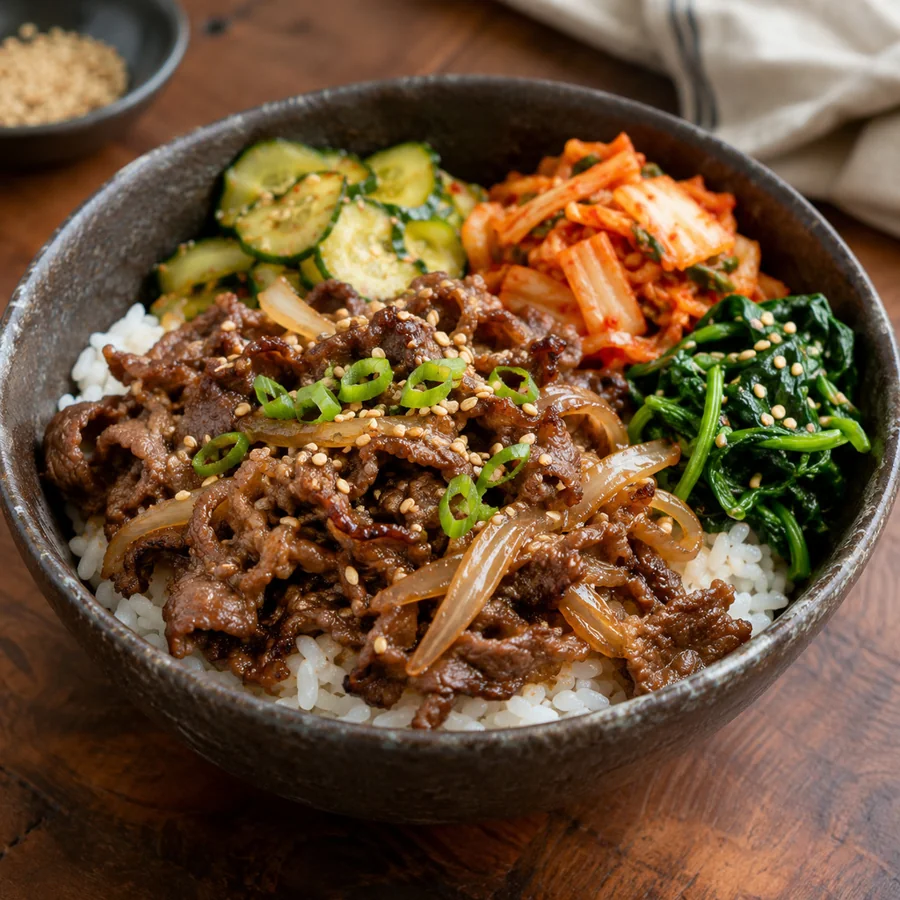
15-Minute Korean Beef Bulgogi Bowl
Sweet-savoury caramelised beef with garlic, ginger, and sesame over steamed rice with crunchy quick-pickled cucumber.
20 min · Korean · High protein, Dairy free
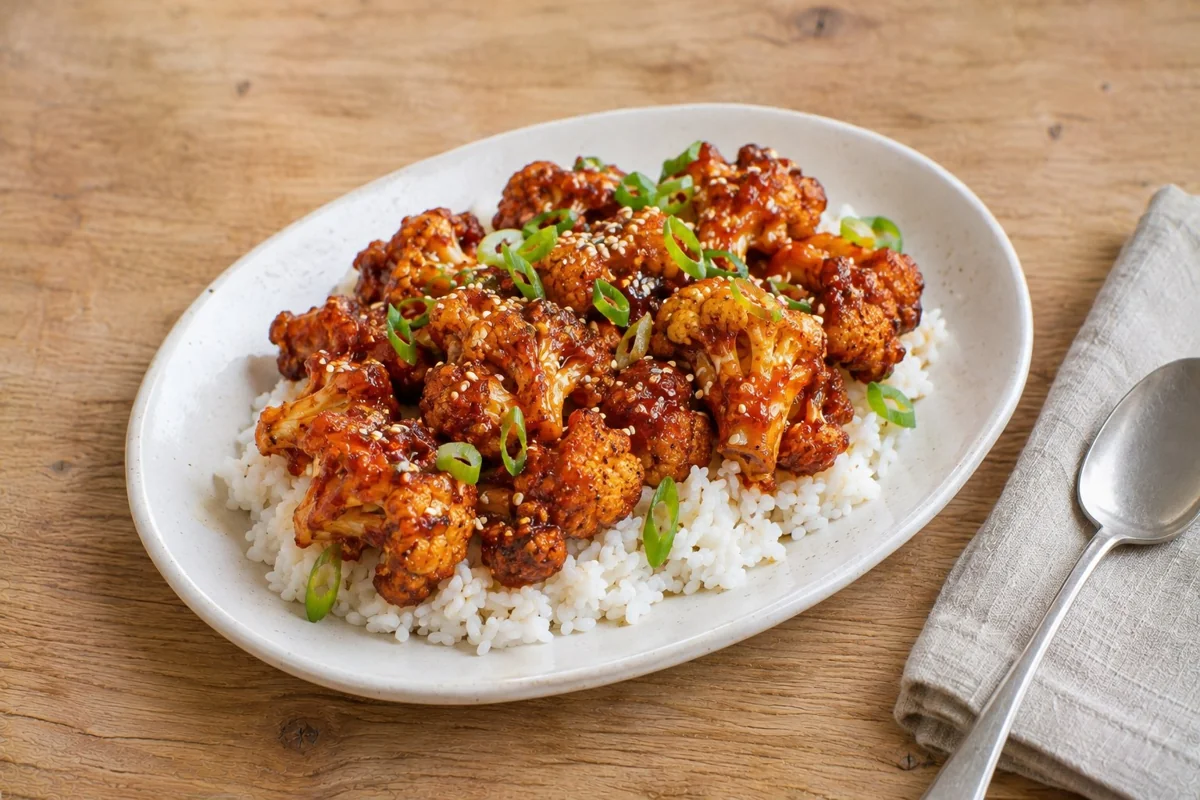
Air-Fryer Korean Gochujang Cauliflower
Crispy cauliflower bites in a sticky, sweet-spicy gochujang glaze over rice. Plant-based 'fried chicken' energy.
30 min · Korean · Vegan, Vegetarian
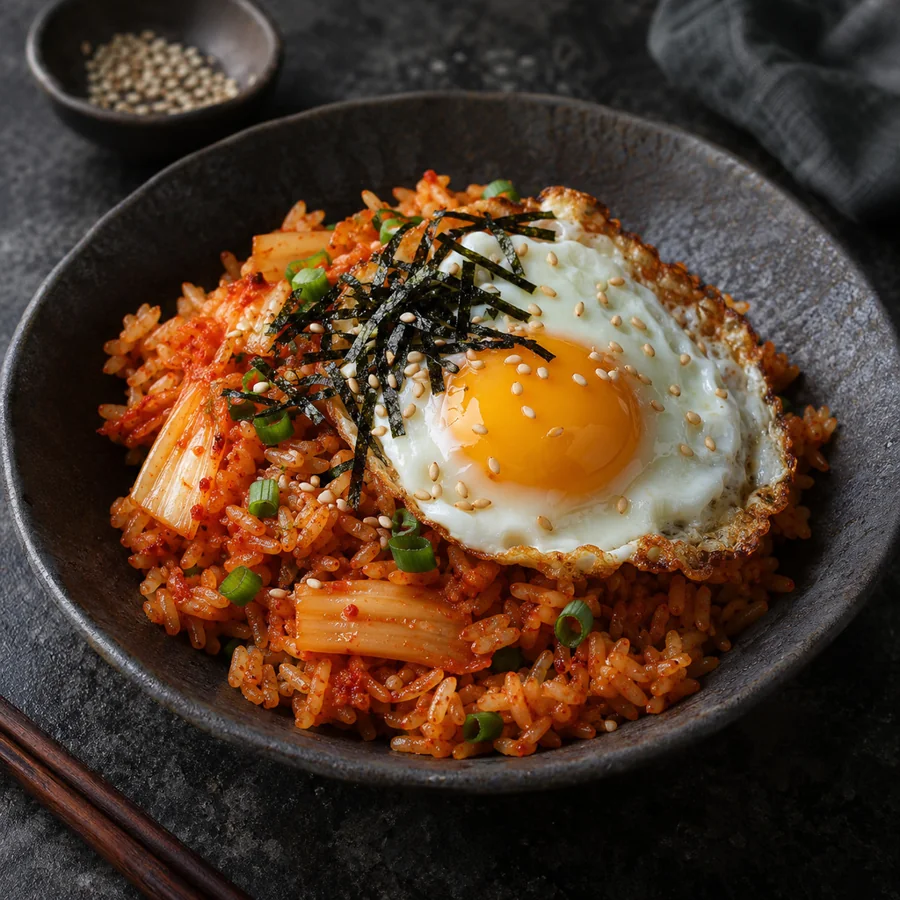
Kimchi Fried Rice with Fried Egg
The ultimate leftover-rice rescue: tangy kimchi, gochujang, and crispy rice crowned with a runny fried egg.
15 min · Korean · Vegetarian, Dairy free
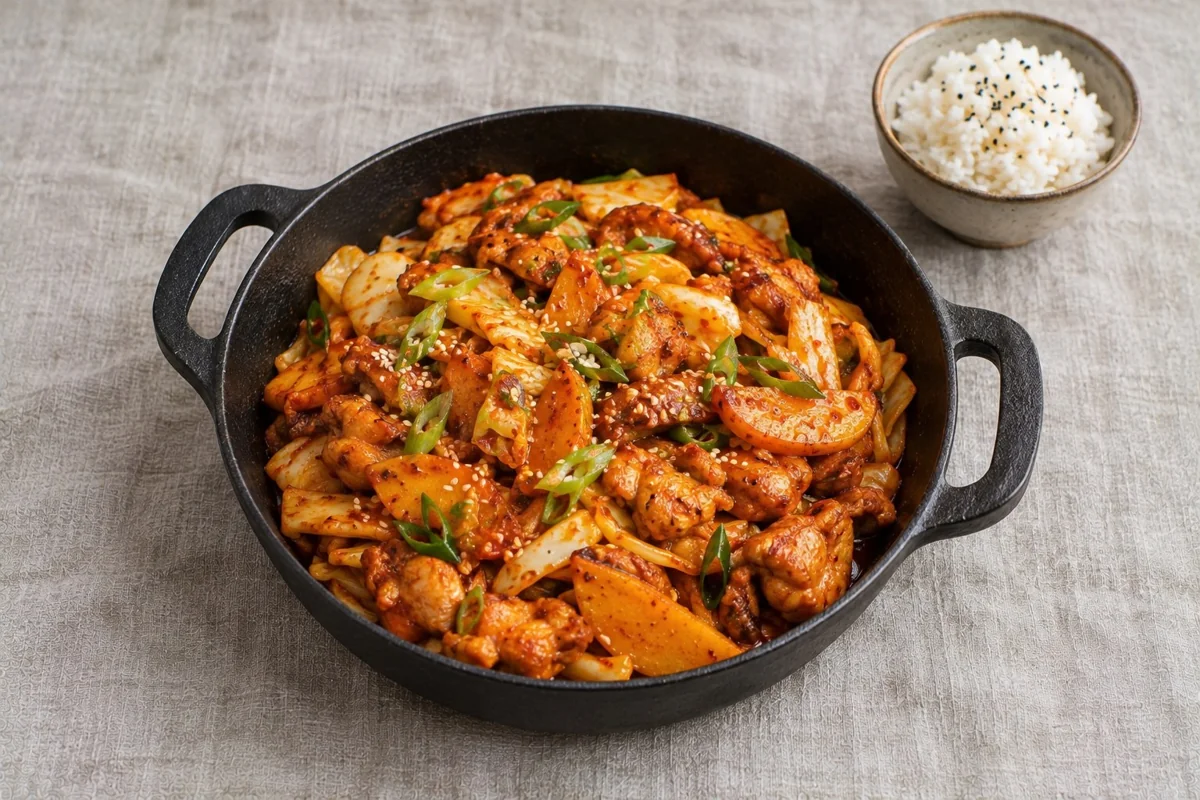
Dakgalbi (Spicy Korean Chicken Stir-Fry)
Chicken, cabbage and sweet potato stir-fried in a fiery gochujang sauce. A Chuncheon favourite that gets everyone round the pan.
30 min · Korean · Dairy free, High protein
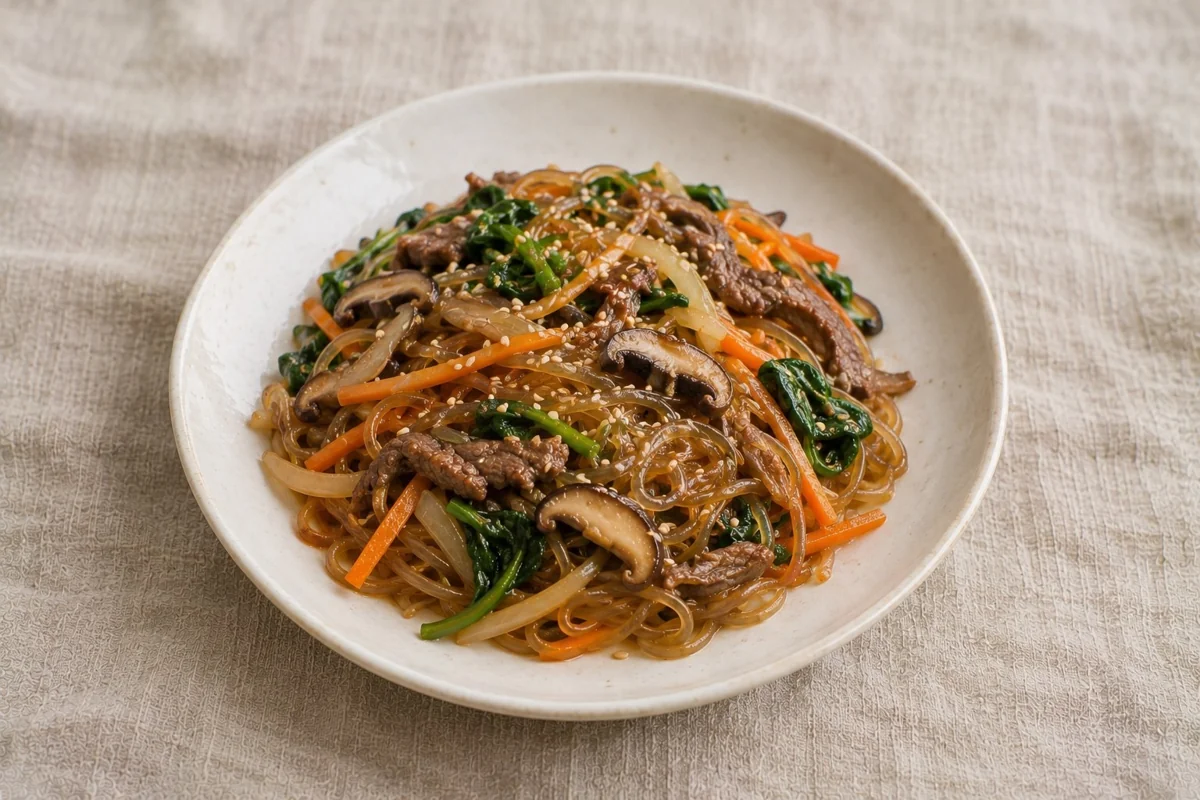
Japchae (Korean Glass Noodles)
Bouncy sweet-potato glass noodles tossed with beef, spinach, mushrooms and carrots in a sweet sesame-soy glaze. Festive yet easy.
35 min · Korean · Dairy free
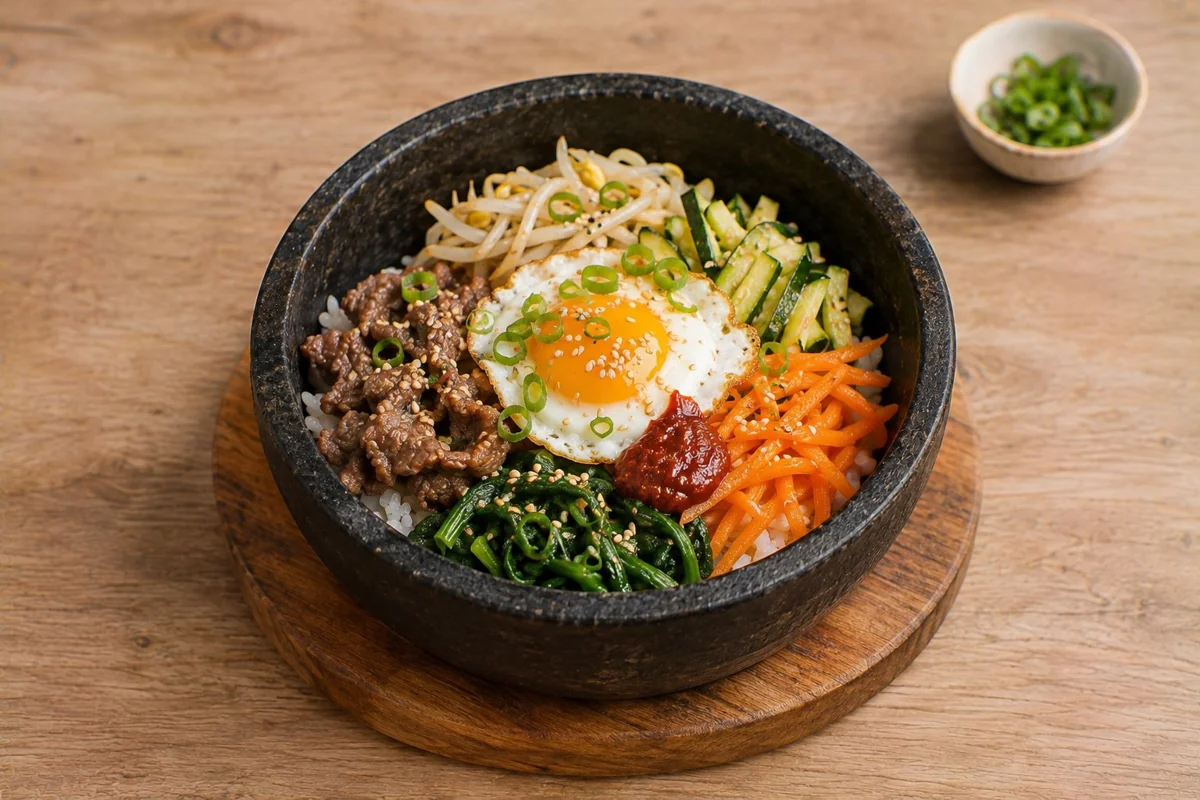
Bibimbap
Korea's colourful mixed rice bowl: seasoned beef, sesame veggies, a fried egg and spicy gochujang sauce. Stir it all up and dig in.
35 min · Korean · Dairy free, High protein
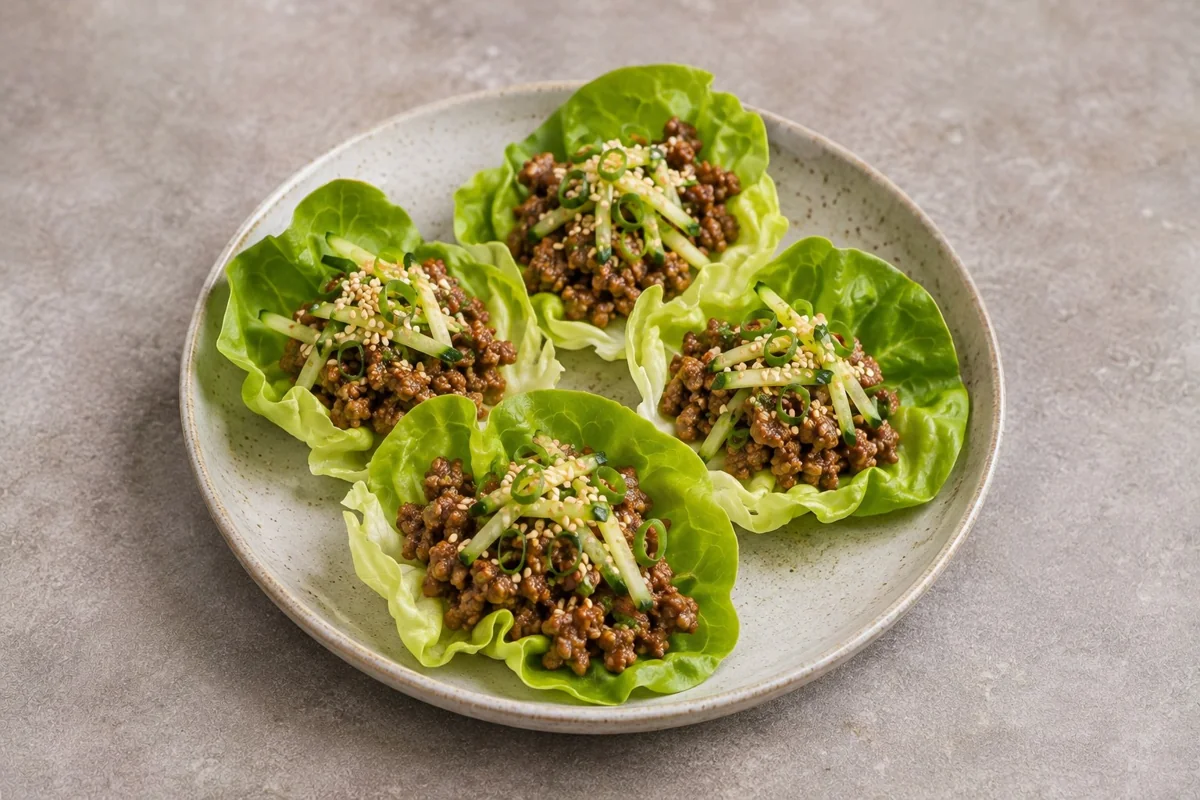
Keto Korean Beef Lettuce Wraps
Savoury garlic-ginger beef with a little chilli heat, spooned into crunchy lettuce cups. Low-carb, high-fun, 15 minutes.
15 min · Korean · Keto, Low carb
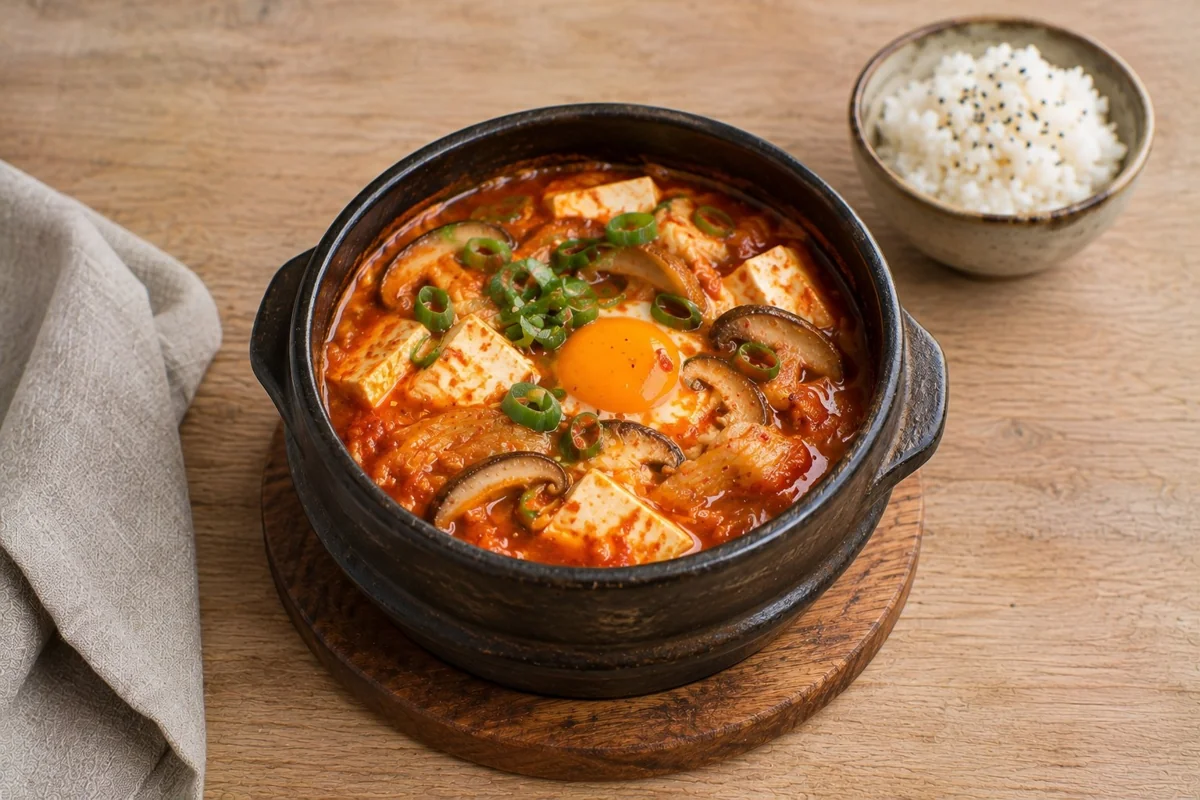
Soondubu Jjigae (Soft Tofu Stew)
Bubbling, spicy Korean stew of silky soft tofu, kimchi and mushrooms with an egg cracked in at the end. Pure comfort in a bowl.
25 min · Korean · Dairy free
Can't choose between these? Spin the dinner wheel and let Salty pick one.
What Korean home cooking is really like
Korean home cooking is broader than sizzling barbecue and elaborate restaurant spreads. Rice, soup or stew, and banchan often form the everyday table, although households organise meals in different ways. Banchan are small accompanying dishes, not a requirement to prepare a dozen separate things before you can eat. Kimchi is one familiar example; seasoned vegetables are another.
For a practical dinner, think about contrast: something warm and savoury, something crisp, and enough rice or noodles for the people eating. A spicy main does not need spicy accompaniments. Plain rice and cucumber can give each mouthful a gentler landing, while a sweet-savoury beef dish might welcome tangy kimchi alongside.
A solo diner can buy a small tub of banchan and serve a little with successive meals, following its storage instructions. Couples can share a main but choose different sides. Families can put accompaniments in the middle rather than loading every plate identically. Ordering the main and assembling the rest still gives you room to make dinner your own; Salty is not checking who switched on the hob.
Pantry staples to buy once
Build your Korean cupboard around the dishes you actually want to eat. Gochujang, a fermented chilli paste, brings savoury depth, sweetness and heat; soy sauce and sesame oil cover other recurring flavours in this collection. Rice is a useful base, while garlic and ginger earn their space in the fridge or vegetable drawer. Buy sweet-potato glass noodles if japchae is on your shortlist rather than collecting every noodle variety.
Treat gochujang as a seasoning to measure, not a sauce to pour freely. Heat varies between products, so taste a little before adding it. Keep sesame oil for its distinctive flavour, and follow opened-pack storage guidance for pastes and sauces: buying once means using across meals, not keeping indefinitely.
Kimchi is a useful refrigerated extra rather than a compulsory purchase. Check its ingredients if you avoid fish, since some versions contain seafood. For allergies, check each recipe's allergen list and ingredient labels, including condiments. Tamari can sometimes replace soy sauce, but that swap alone does not establish that an entire dish is gluten-free. Start with a small shopping list and expand when another dinner earns a repeat.
Classic dishes explained
Bulgogi is known for sweet-savoury marinated meat. In 15-Minute Korean Beef Bulgogi Bowl, caramelised beef meets garlic, ginger and sesame, with rice and quick-pickled cucumber. This collection lists 20 minutes for the beginner-friendly bowl; its mild heat makes it a useful starting point for chilli-cautious diners.
Bibimbap means mixed rice, and Bibimbap brings together seasoned beef, sesame vegetables, a fried egg and gochujang sauce. The pleasure is in stirring the components together. This medium-spiced option takes 35 minutes and suits someone comfortable managing several elements on the hob.
For noodles rather than rice, Japchae (Korean Glass Noodles) combines bouncy sweet-potato glass noodles with beef, spinach, mushrooms and carrots. Its sweet sesame-soy glaze is mild, and the dish is served at room temperature. Allow 35 minutes and a little more confidence than the beginner options require.
Kimchi Fried Rice with Fried Egg puts tangy kimchi and gochujang through rice, then finishes with a fried egg. It is a hot, beginner-friendly dinner listed at 15 minutes. Use leftover rice only when it has been cooled and refrigerated promptly, and reheat until steaming hot throughout.
Dakgalbi (Spicy Korean Chicken Stir-Fry) is a Chuncheon favourite featuring chicken, cabbage and sweet potato in a fiery gochujang sauce. This beginner-friendly, one-pot choice takes 30 minutes and suits a table that welcomes heat.
Soondubu Jjigae (Soft Tofu Stew) offers a different texture: silky soft tofu in a spicy stew with kimchi, mushrooms and an egg. It takes 25 minutes, uses one pot and belongs firmly in the hot camp. Serve rice alongside for a comforting contrast.
Making Korean food family-friendly or milder
Begin with the dish's starting heat rather than trying to undo a fiery sauce. The bulgogi bowl and japchae are mild choices here; dakgalbi, kimchi fried rice and soft tofu stew are hot. For a family with different preferences, choosing a mild main and offering chilli separately is often simpler than making several dinners.
Where a sauce is added at the table, let each person choose their amount. Bibimbap lends itself to this approach: keep the gochujang sauce separate until everyone mixes their bowl. Reducing gochujang also reduces sweetness and savoury flavour, so taste before making further adjustments. Extra sugar does not remove chilli heat. Plain rice and unseasoned vegetables provide contrast without needing another sauce.
For a couple or mixed-diet household, shared rice and separate components can make serving easier. The gochujang cauliflower is listed as vegan, while several other dishes contain beef, chicken or eggs. Do not assume a tofu-based dinner is vegetarian: kimchi and stock need checking too. Keep meat utensils away from plant-based components, and check each recipe's allergen list and ingredient labels before choosing substitutions. Small bowls let enthusiastic chilli eaters add more without deciding for everybody.
Salty's top 3
#1
15-Minute Korean Beef Bulgogi Bowl
Salty picks this mild, beginner-friendly beef bowl for its sweet-savoury flavour and crunchy quick-pickled cucumber.
#2
Air-Fryer Korean Gochujang Cauliflower
Crispy cauliflower and sticky gochujang glaze make this vegan rice dinner a cheerful choice for the air-fryer crowd.
#3
Kimchi Fried Rice with Fried Egg
With tangy kimchi, crispy rice and a fried egg, this 15-minute option earns Salty's vote for a hot, comforting dinner.
FAQ
What is a typical Korean dinner at home?
A Korean home dinner often centres on rice with soup or stew and small accompanying dishes called banchan. There is no single compulsory layout, and everyday meals need not resemble a restaurant spread. For an approachable version at home, choose a main, add rice if appropriate, and serve a small amount of kimchi or vegetables alongside.
What Korean food is easiest to make at home?
A beginner-friendly bowl or fried rice is a useful starting point for Korean food at home. In this collection, the beef bulgogi bowl is mild and listed at 20 minutes, while kimchi fried rice takes 15 minutes and is hot. Choose according to your chilli preference as well as the time available.
What is gochujang, and how do you use it?
Gochujang is a fermented Korean chilli paste with sweet, savoury and spicy notes. It can flavour sauces, stir-fries, fried rice and stews, usually combined with other ingredients rather than used like a freely poured table sauce. Start with a little because brands vary in heat, then taste and adjust before adding more.
What are banchan, and do you need to make them yourself?
Banchan are small accompanying dishes served as part of a Korean meal; kimchi and seasoned vegetables are familiar examples. You do not need to prepare a large selection yourself. Shop-bought banchan can accompany a homemade or ordered main, with portions chosen for your household and leftovers stored according to the supplier's instructions.
Can Korean food be mild enough for children?
Korean food is not always spicy: the bulgogi bowl and japchae in this collection are mild. For children or anyone cautious about chilli, start there rather than with a hot stew. Keep spicy sauces separate where possible, offer plain rice and vegetables, and let each person add heat to their own serving.
Text last updated
More collections
Not sure which one?
Tell Salty who's eating and get dinners that fit everyone.
Get personalized ideas