
Lentil and bean recipes
Lentil and bean recipes make affordable plant protein the starting point for dinner, from creamy soups to crunchy tacos and filling salads. This collection helps you choose a meal that fits your evening, with quick options, slower pots and dinners that need more assembling than cooking. Salty, our cheerful blue salt-shaker, has gathered 22 dinners with budgets and different appetites in mind. What makes this selection different is the room it leaves for real households: vegan chickpea curries sit alongside chicken bowls, cheesy traybakes and beef-and-bean comfort food. You can put pulses centre stage without making everyone at the table eat the same way. Start with the time and equipment you have, then choose your texture: velvety lentils, buttery beans or something with crunch. Below, you'll find help choosing tins or dried pulses, understanding lentil types and getting plenty of flavour from inexpensive cupboard ingredients.
22 recipes
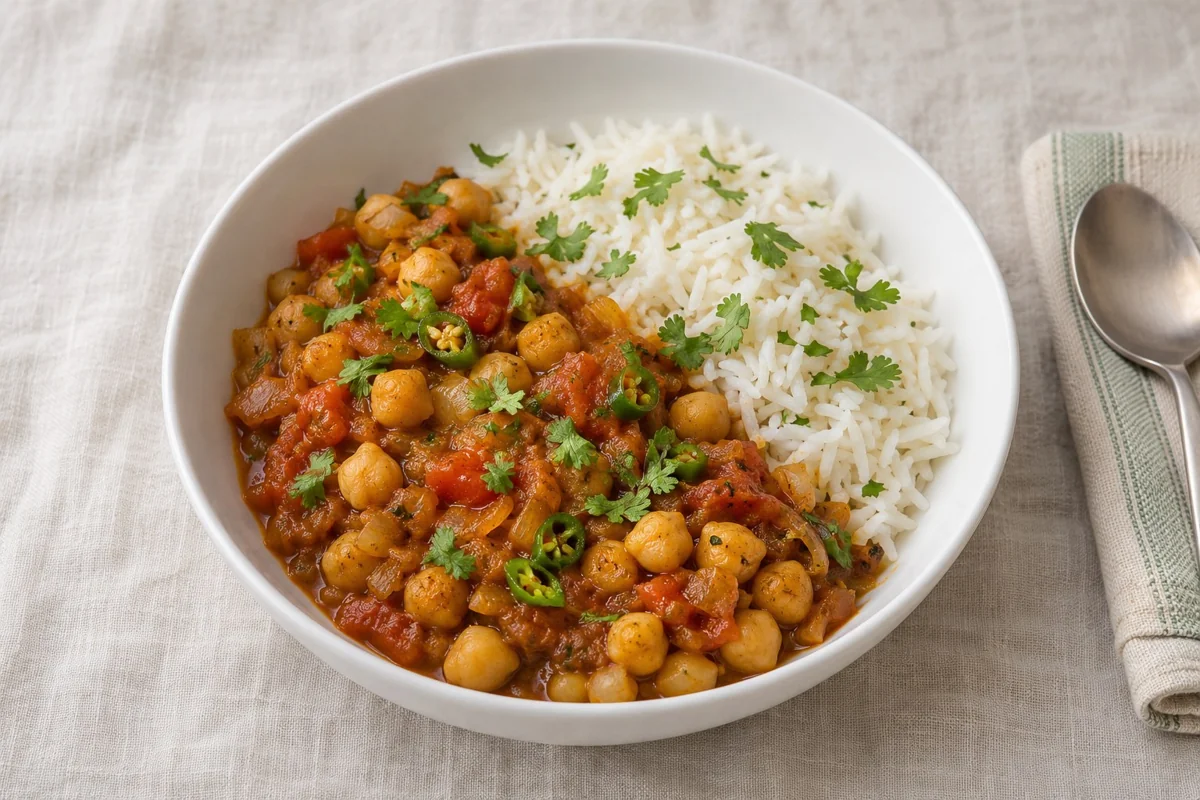
Weeknight Chana Masala
Tangy, warmly spiced chickpea curry that's on the table in 25 minutes. Budget-friendly, vegan, and one of those dinners everyone goes back for.
25 min · Indian · Vegan, Vegetarian
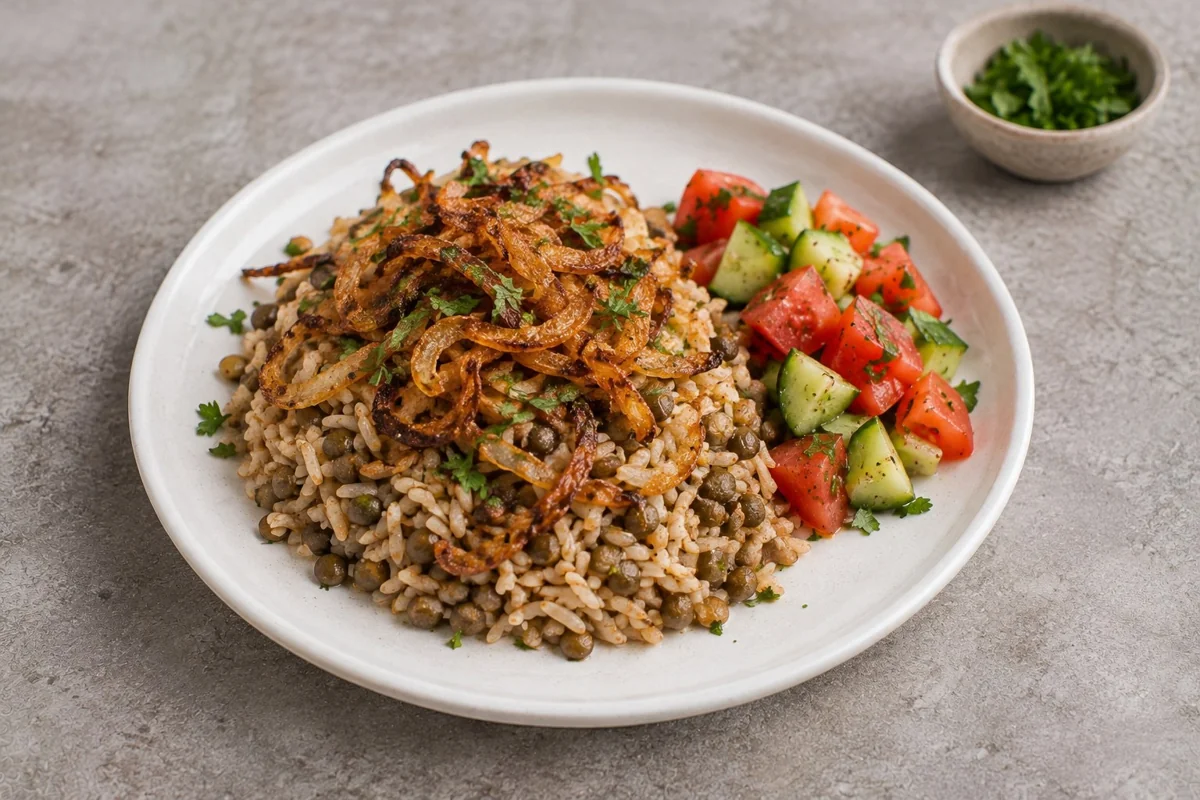
Mujadara (Lentils, Rice & Crispy Onions)
Humble, magnificent Levantine comfort: spiced lentils and rice crowned with a tangle of sweet, crispy onions. Vegan and cheap.
45 min · Lebanese · Vegan, Vegetarian
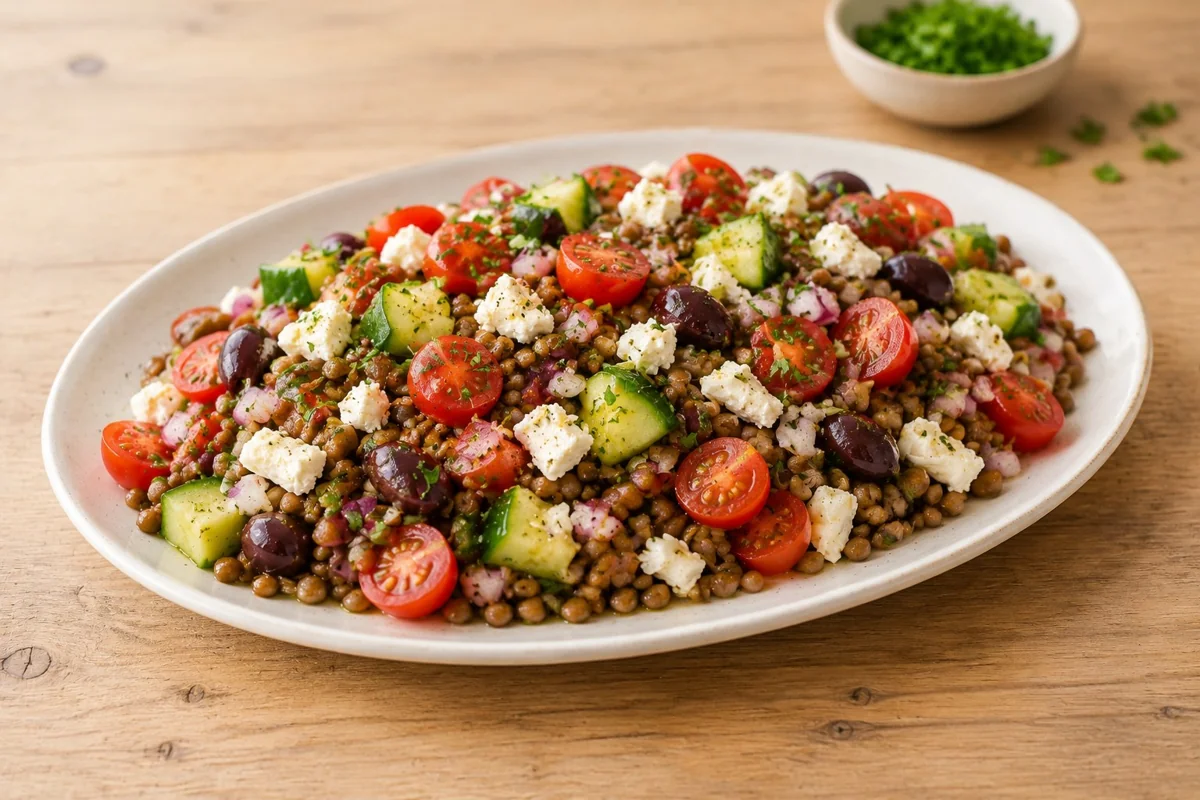
Greek Lentil Salad with Feta
A no-fuss, protein-packed salad of lentils, crunchy cucumber, tomatoes, olives, and crumbled feta in a zesty oregano dressing. Perfect for lunch tomorrow, too.
15 min · Greek · Vegetarian, Gluten free
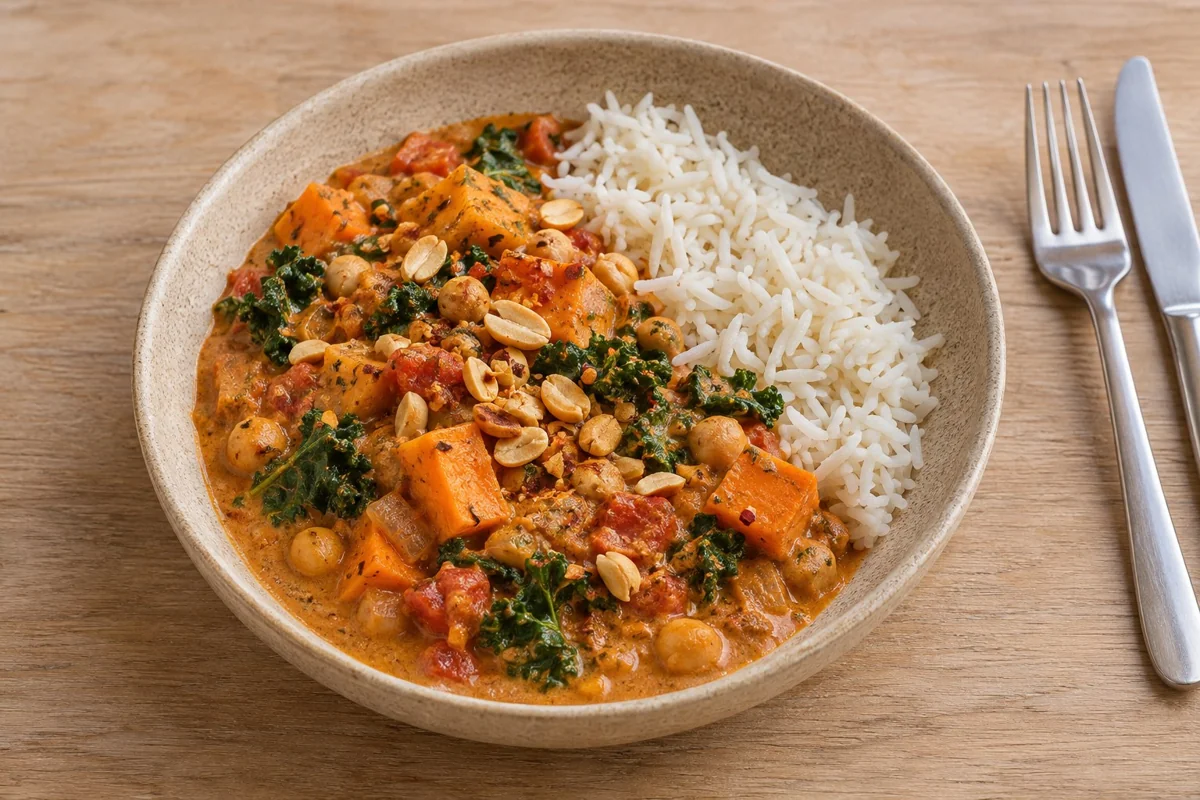
West African Peanut Stew
Creamy, gently spiced peanut and tomato stew with sweet potato, chickpeas, and greens. Hearty, vegan, and seriously satisfying.
35 min · African · Vegan, Vegetarian
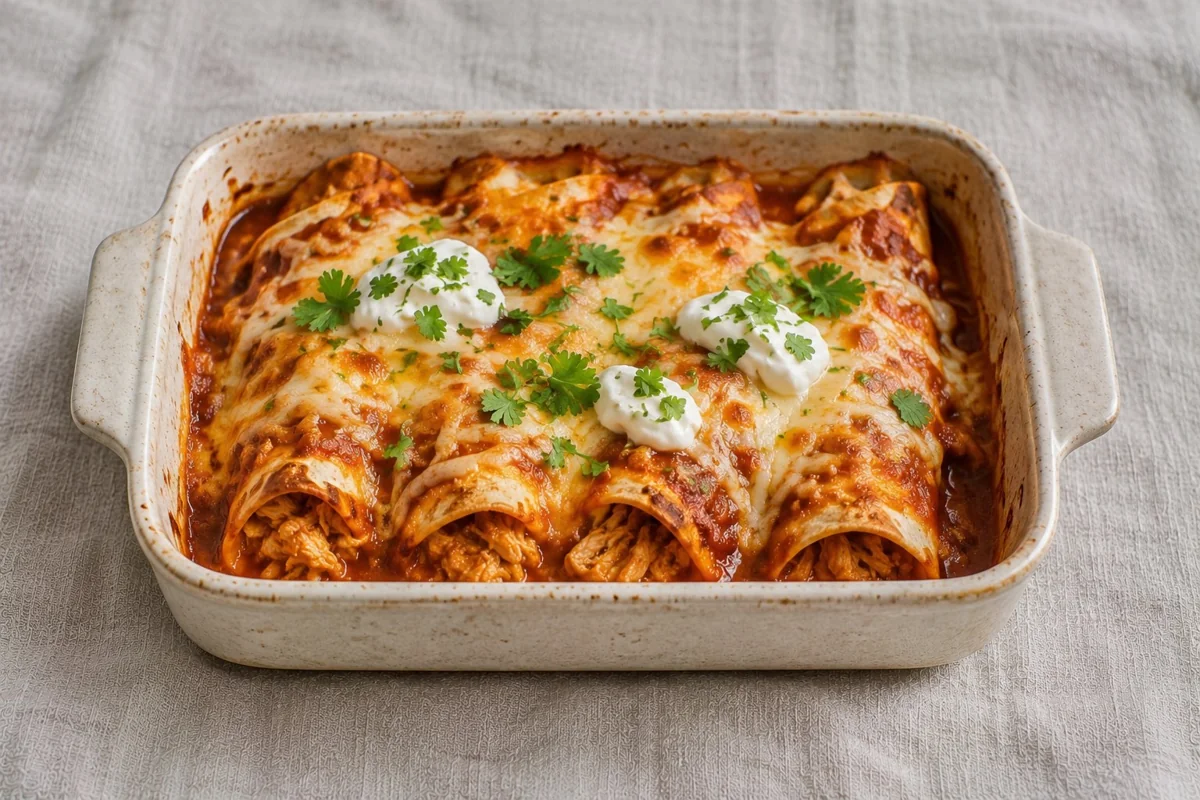
Cheesy Chicken Enchiladas
Tortillas rolled around chicken and black beans, smothered in smoky red sauce and baked under bubbling cheese. A guaranteed family hit.
45 min · Mexican · High protein
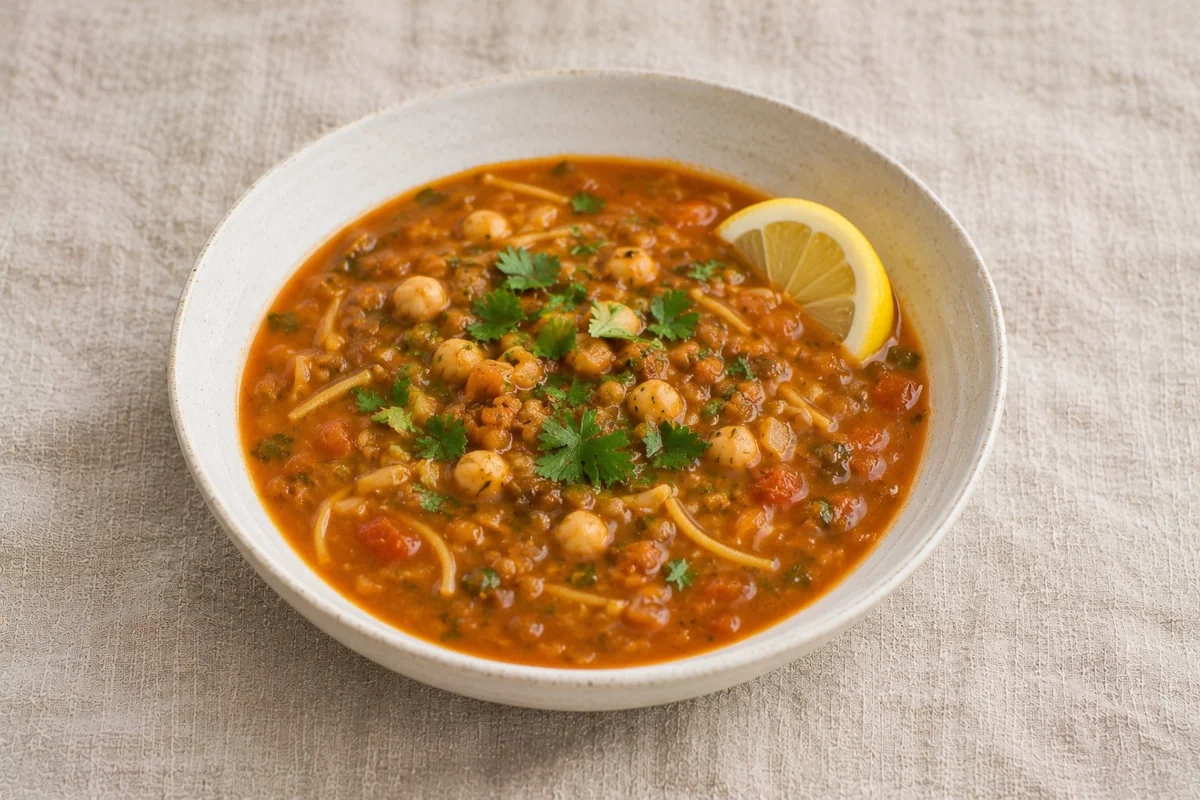
Harira (Moroccan Lentil & Chickpea Soup)
Morocco's soul-warming soup of lentils, chickpeas, tomatoes and herbs, gently spiced and brightened with lemon.
50 min · Moroccan · Vegan, Vegetarian
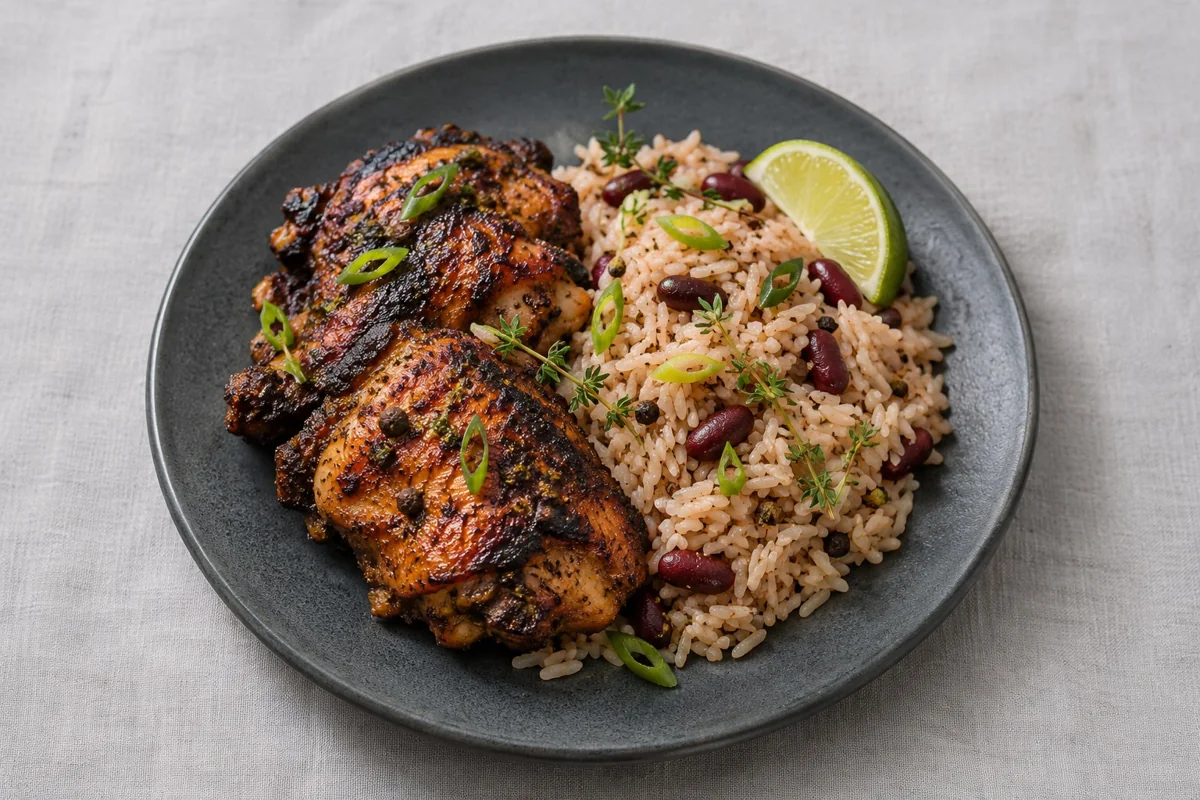
Jerk Chicken with Rice & Peas
Smoky, fiery Jamaican-style jerk chicken with coconut rice and kidney beans. A sunny weekend feast worth the marinating time.
55 min · Caribbean · High protein, Gluten free
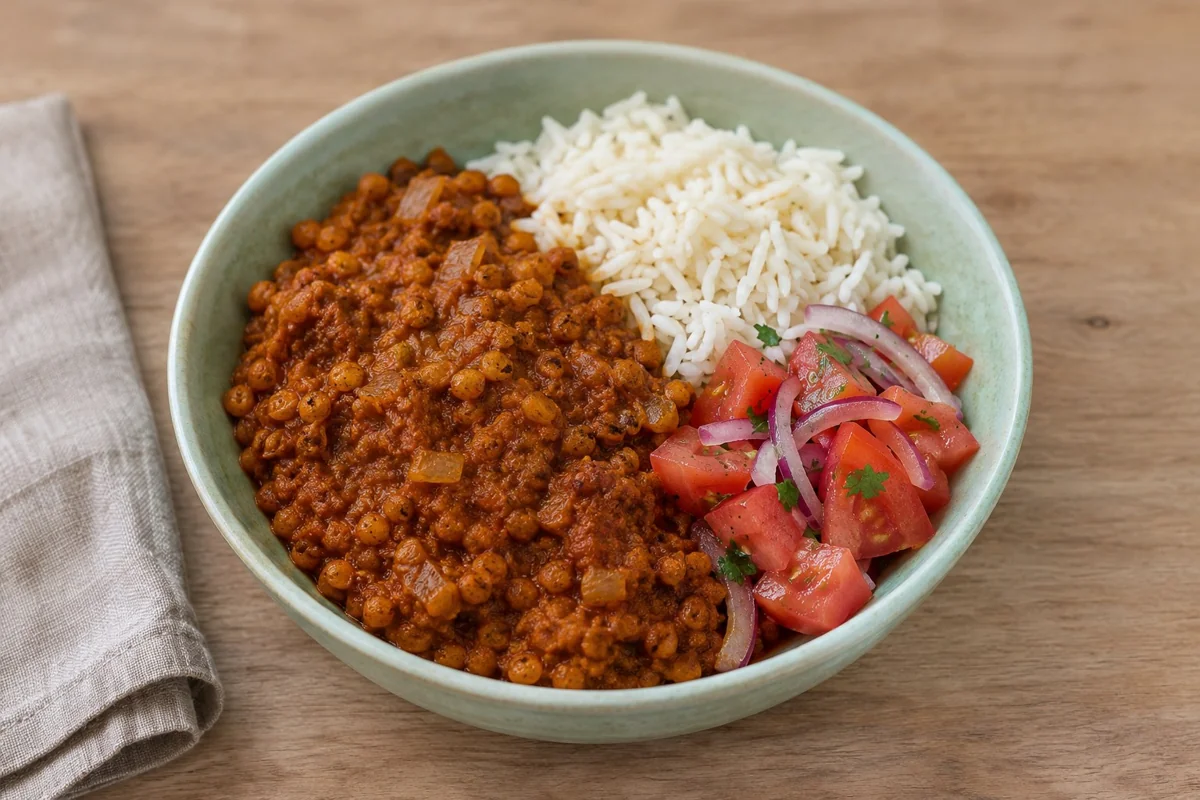
Ethiopian Misir Wot (Spiced Red Lentils)
Rich, warming red lentils slow-cooked with heaps of onion and berbere spice. Deeply comforting and naturally vegan.
40 min · Ethiopian · Vegan, Vegetarian
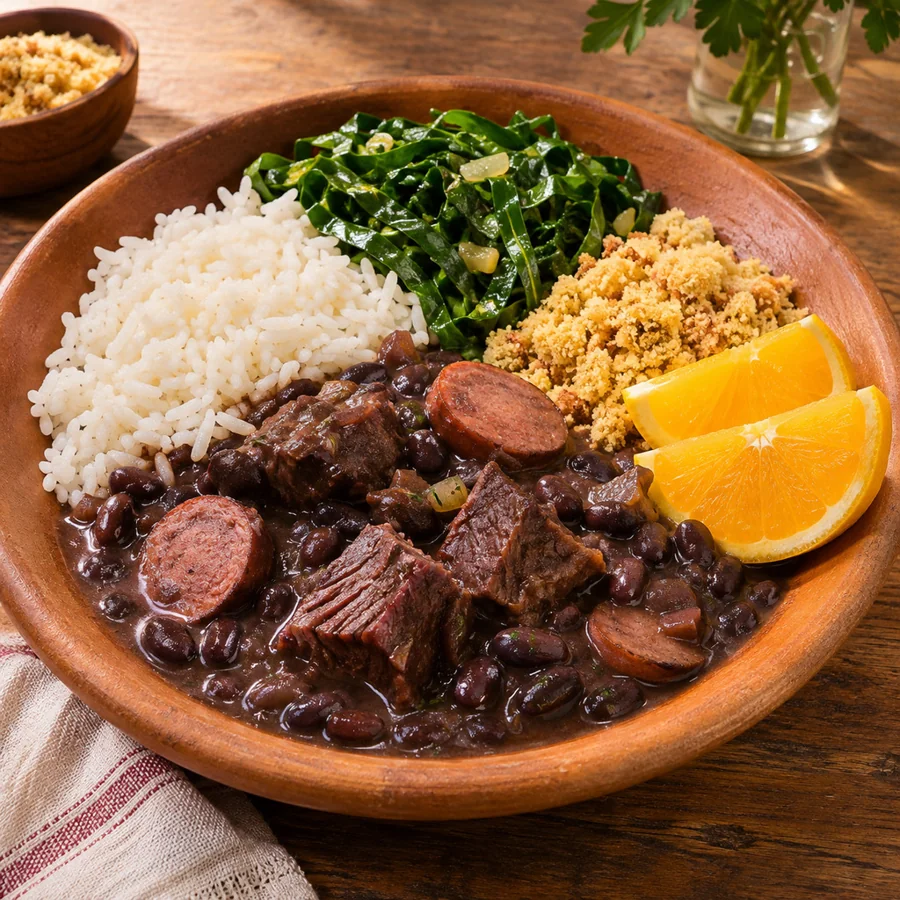
Quick Brazilian Black Bean Stew with Farofa
A weeknight nod to feijoada: smoky black beans with sausage and orange-kissed greens, finished with crunchy toasted farofa.
35 min · Brazilian · High protein, Gluten free
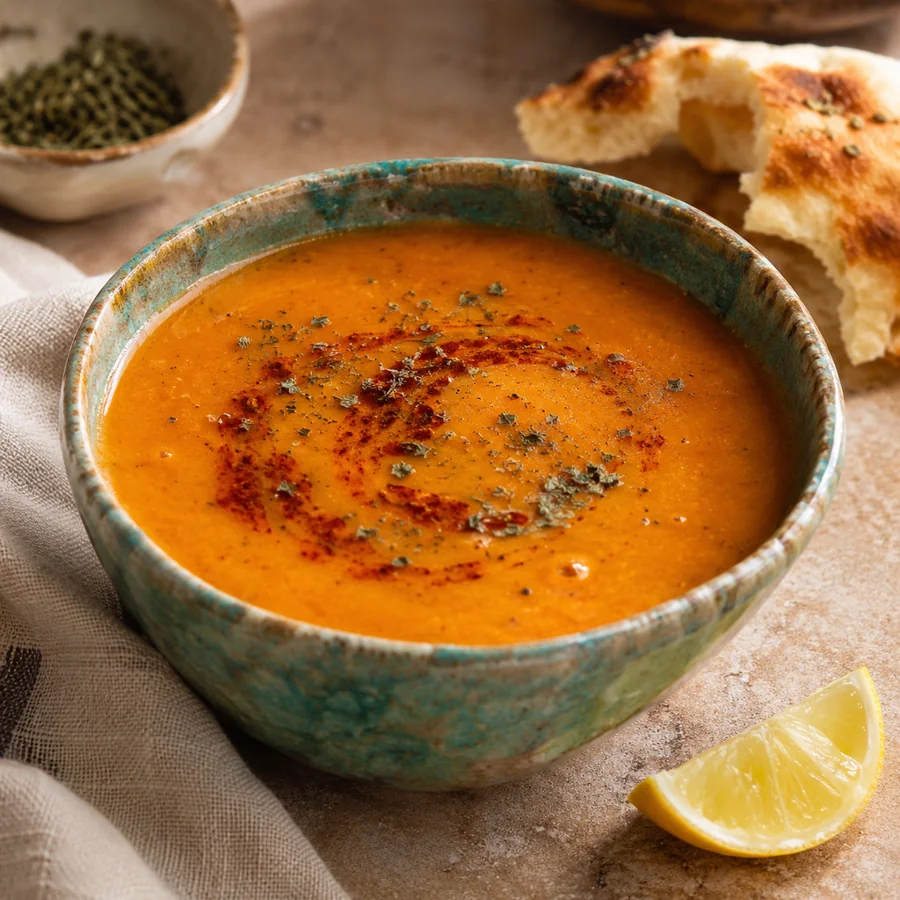
Turkish Red Lentil Soup (Mercimek)
Velvety, golden lentil soup with cumin, a hint of mint, and a squeeze of lemon. Cheap, cosy, and even better the next day.
30 min · Turkish · Vegan, Vegetarian
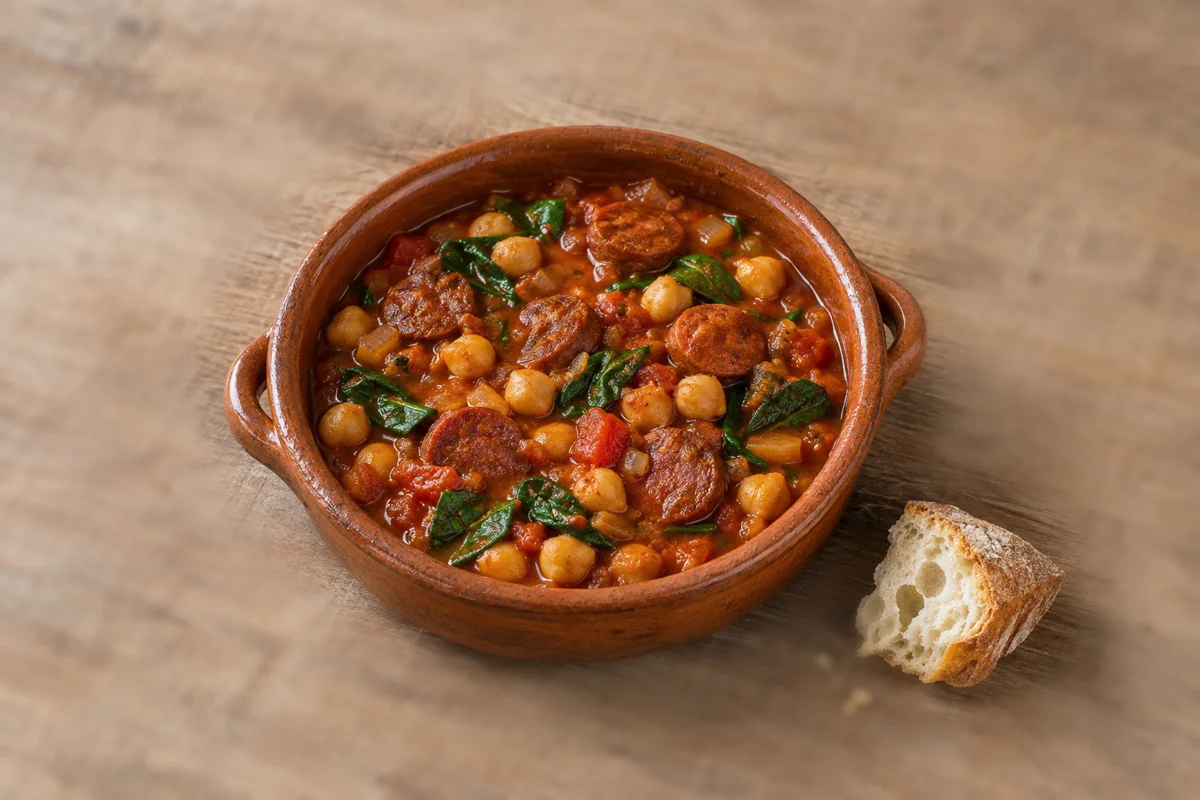
Smoky Spanish Chickpea & Spinach Stew
A Sevillian tapas favourite turned dinner: chickpeas and spinach in a smoky paprika-tomato sauce, with crusty bread for dunking.
25 min · Spanish · Vegan, Vegetarian
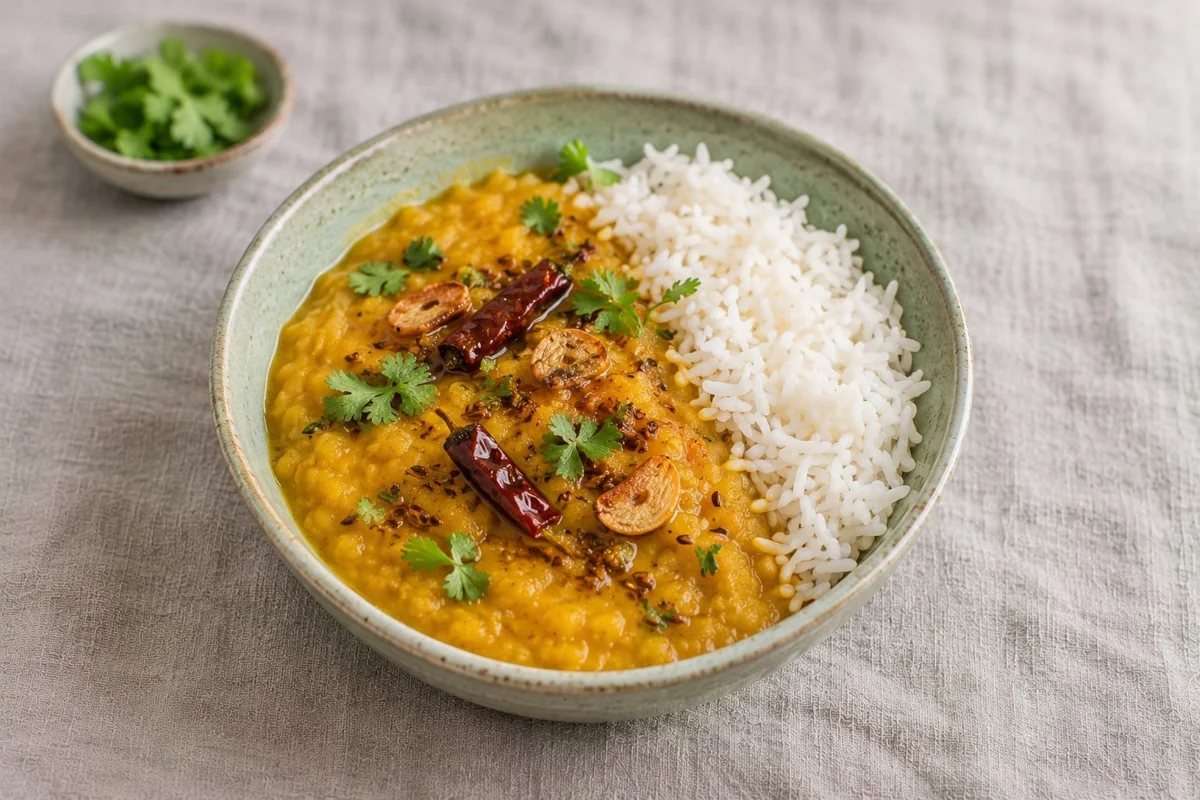
Dal Tadka
Golden, creamy yellow lentils finished with a sizzling tadka of cumin, garlic and chilli. India's everyday comfort and a vegan staple.
30 min · Indian · Vegan, Vegetarian
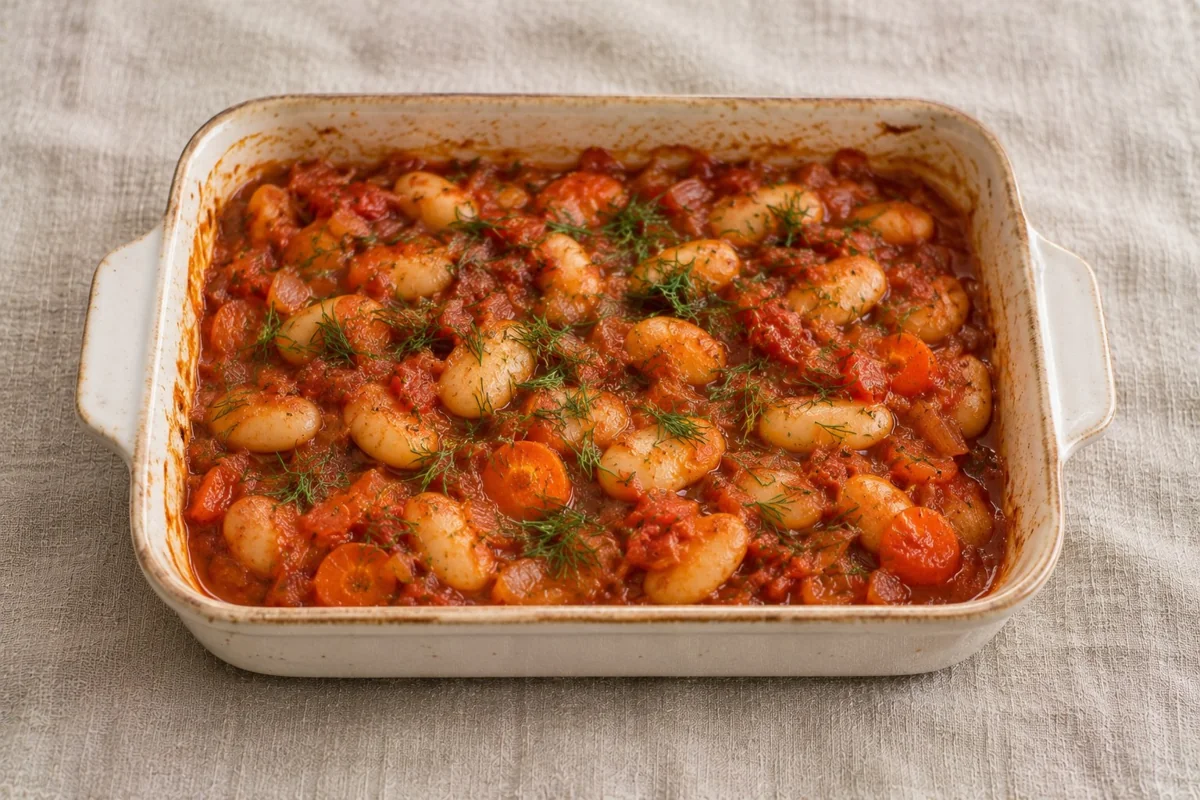
Gigantes Plaki (Greek Baked Giant Beans)
Big, buttery beans baked in a dill-flecked tomato sauce until thick and sticky. Vegan, budget-friendly and loved all over Greece.
50 min · Greek · Vegan, Vegetarian
Chipotle Chicken Burrito Bowl
Smoky chipotle chicken, lime rice, black beans, sweet corn, and creamy avocado — build-your-own fun for the whole table.
30 min · Mexican · High protein, Gluten free
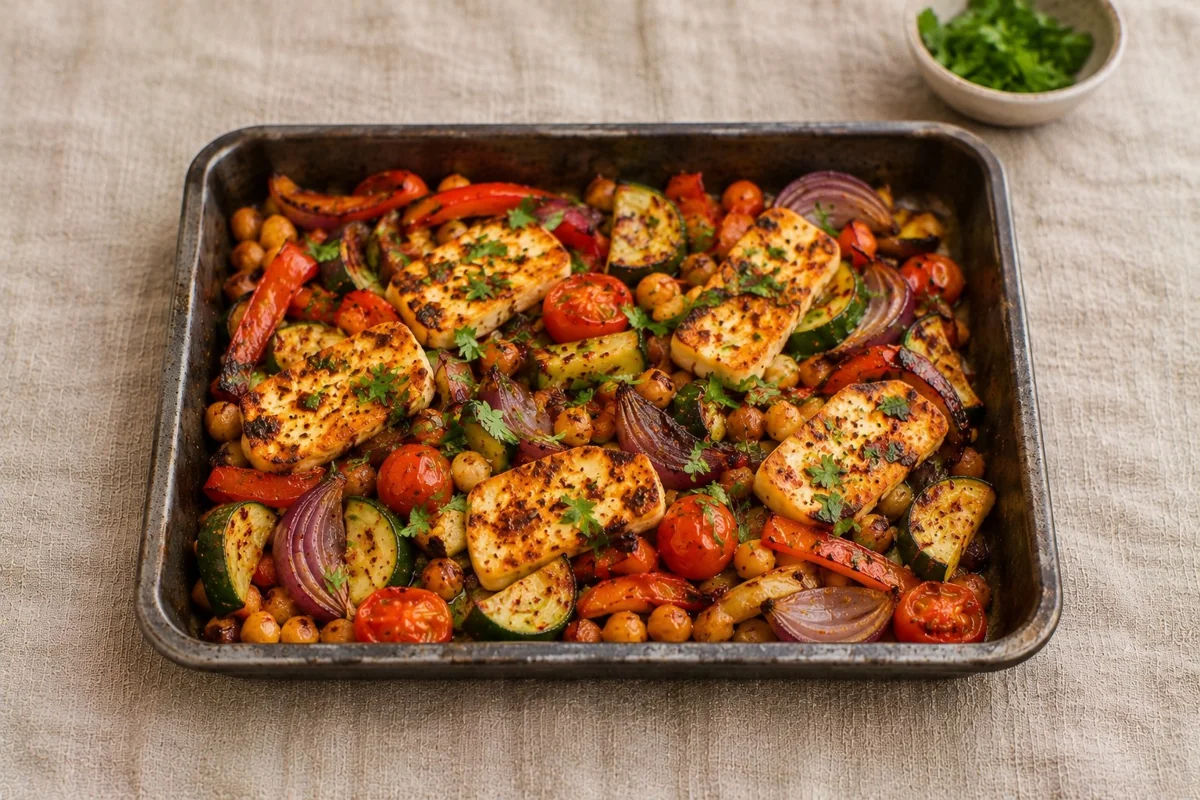
Harissa Halloumi & Veg Traybake
Sweet roasted Mediterranean veg and chickpeas with spicy harissa and golden, honey-glazed halloumi. One tray, done.
35 min · Mediterranean · Vegetarian, Gluten free
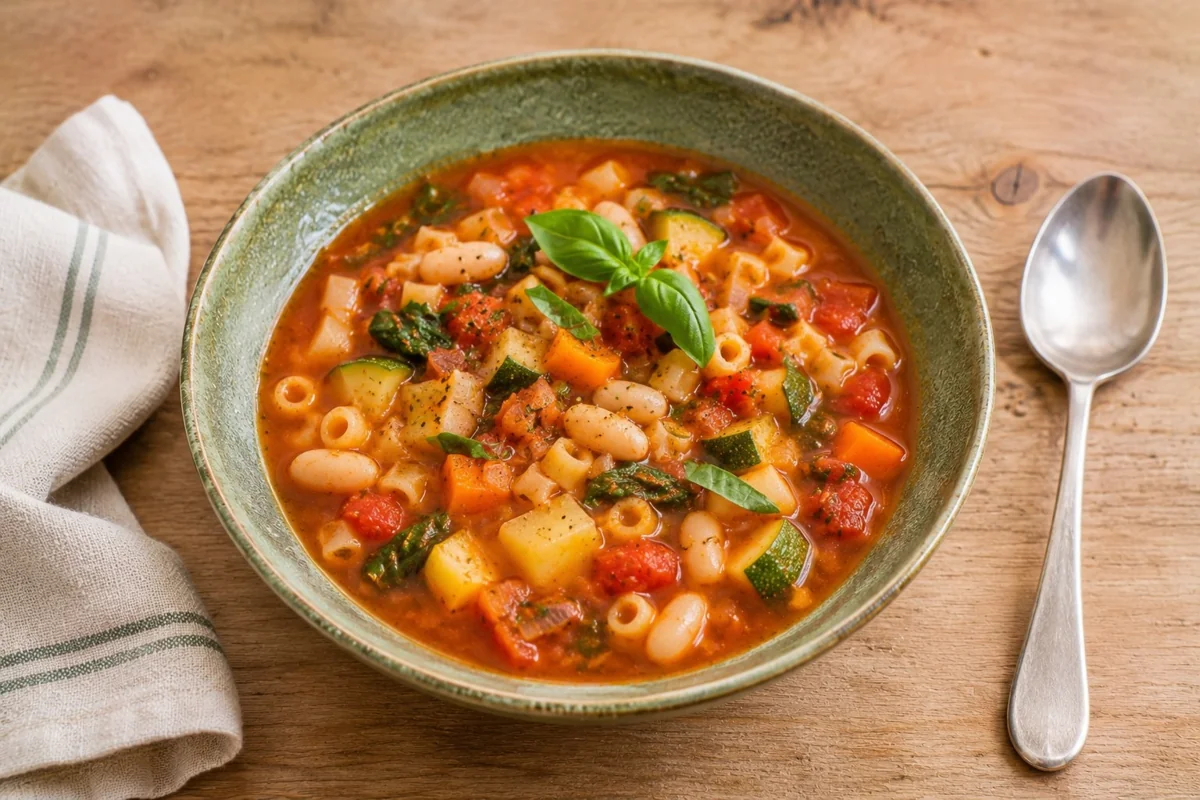
Garden Minestrone
A big, colourful bowl of vegetables, beans and little pasta in a tomato-herb broth. Light, filling and better the next day.
40 min · Italian · Vegan, Vegetarian
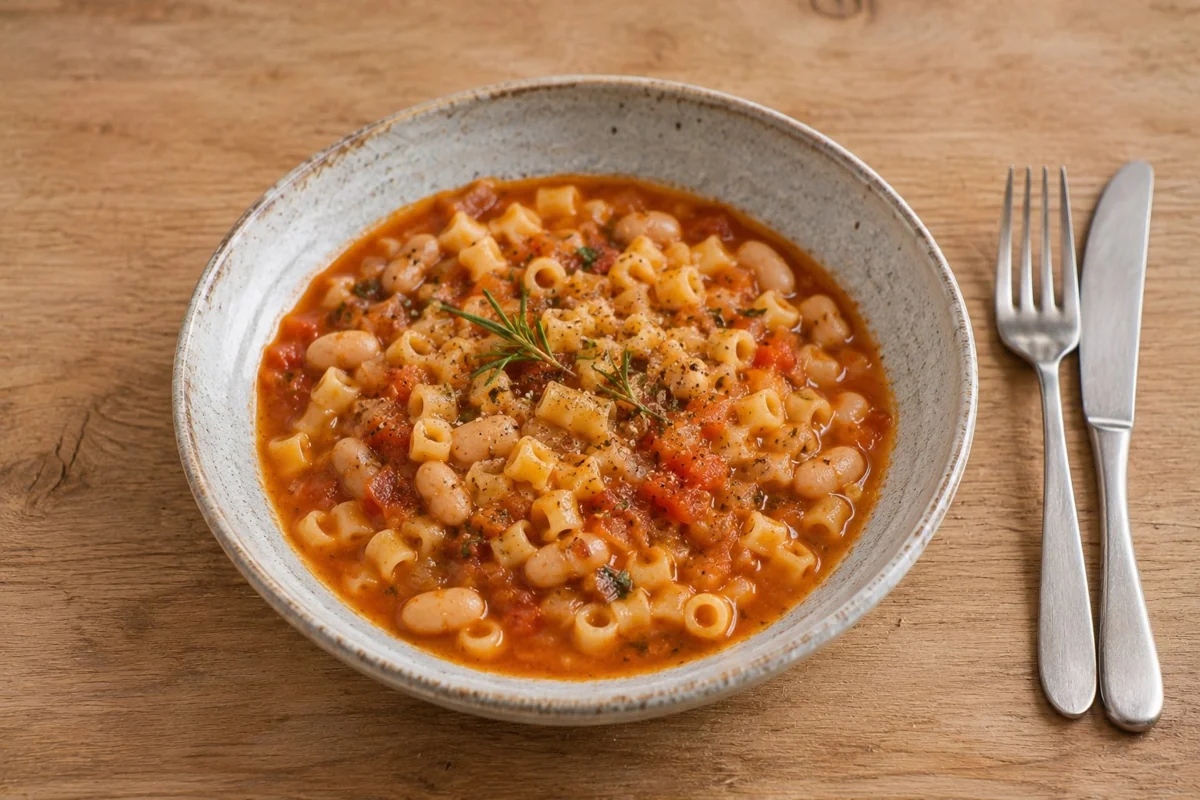
Pasta e Fagioli
Italy's thrifty, hearty bean and pasta soup with rosemary and garlic. Thick enough to eat with a fork, cozy enough for every week.
35 min · Italian · Vegan, Vegetarian
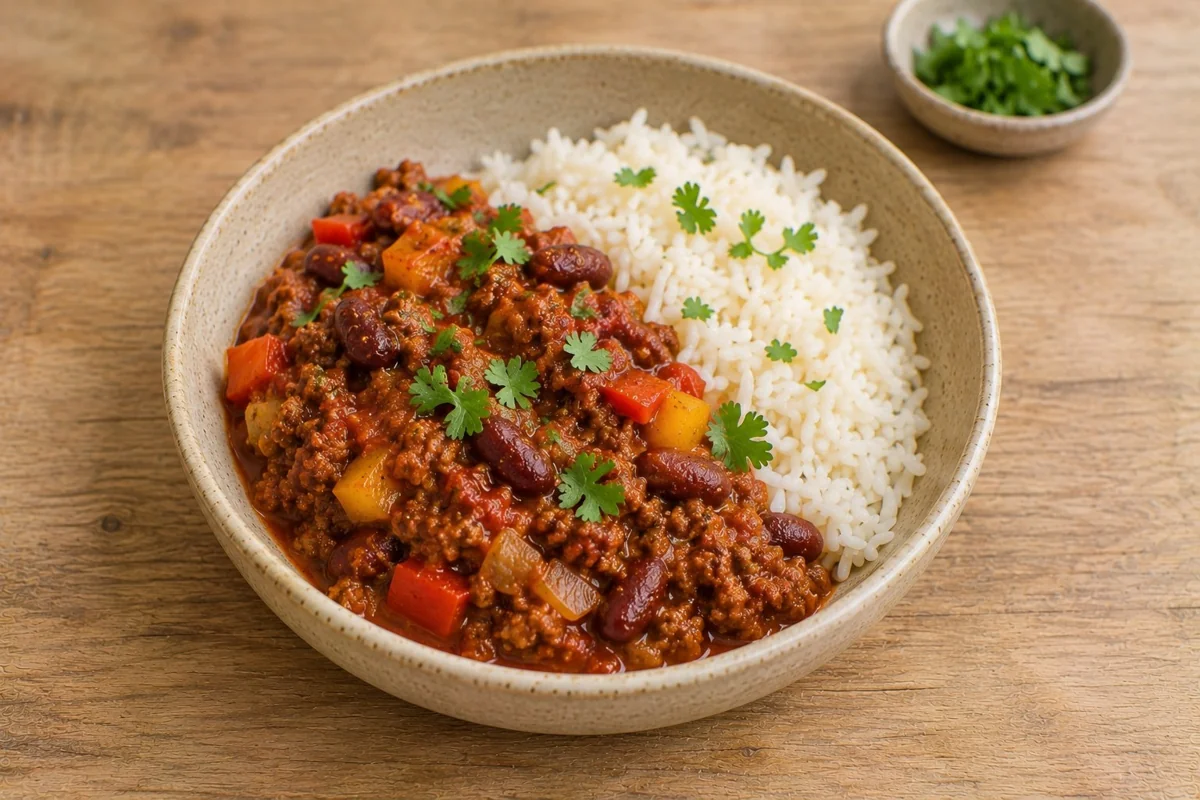
Chili con Carne
Rich, smoky beef and bean chili with a whisper of cocoa, simmered until thick. Even better tomorrow, which makes it a meal prep legend.
60 min · Mexican · Gluten free, Dairy free
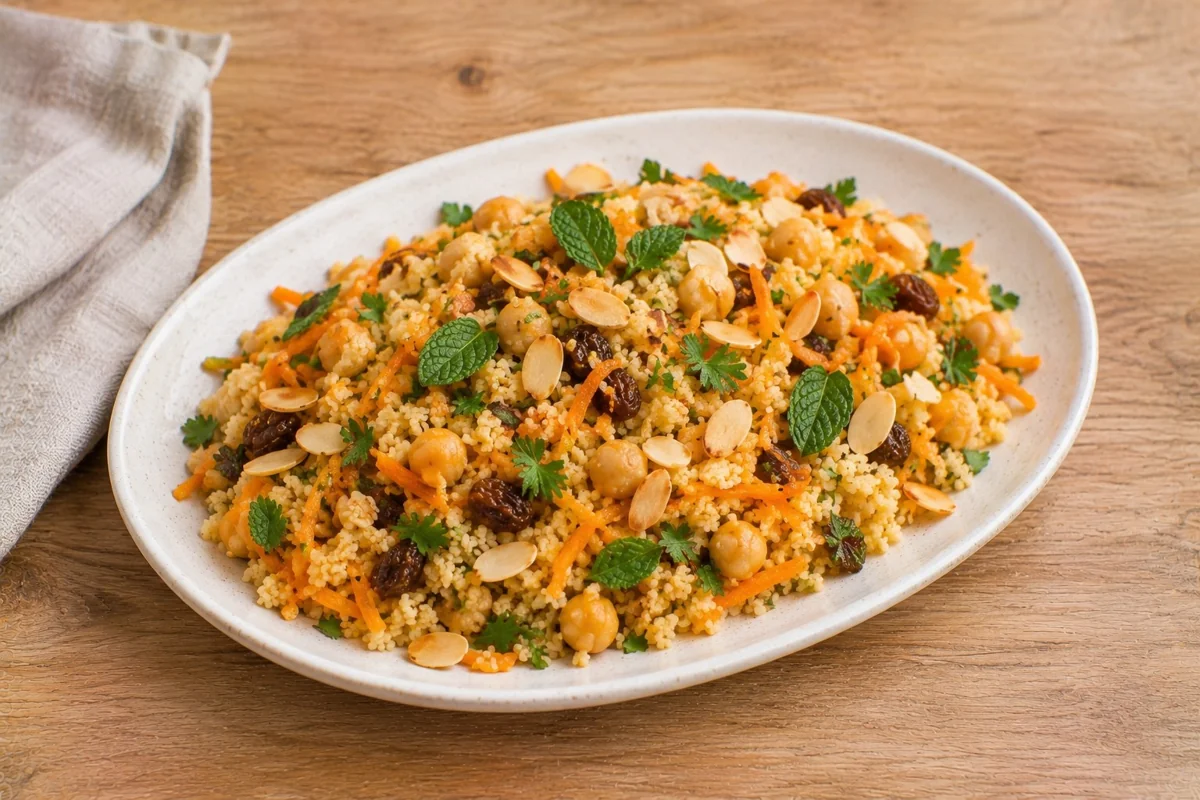
Moroccan Carrot & Chickpea Couscous Salad
A sunny, crunchy salad of fluffy couscous, sweet carrot, chickpeas, raisins and herbs in a cumin-lemon dressing. Perfect for meal prep.
20 min · Moroccan · Vegan, Vegetarian
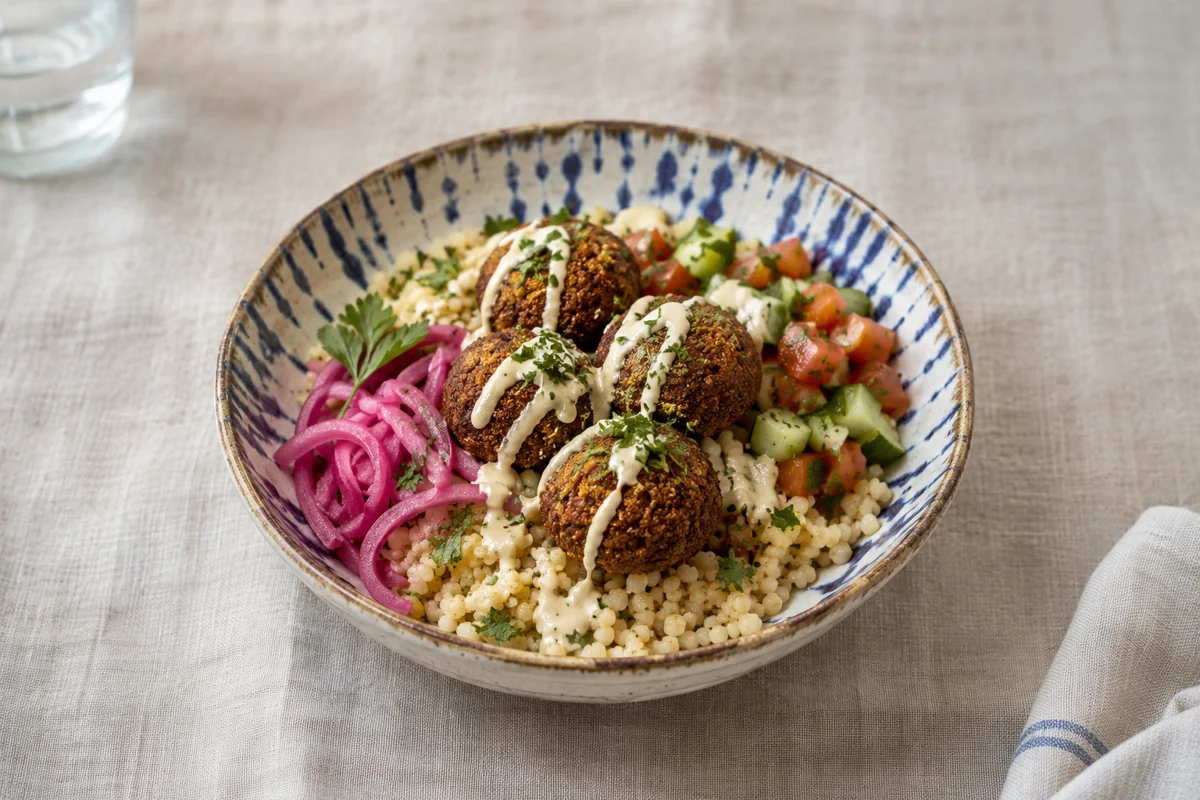
Air-Fryer Falafel Bowl with Tahini
Crispy herb falafel over fluffy couscous with tabbouleh-style salad, pickled red onion, and a creamy lemon tahini drizzle.
30 min · Lebanese · Vegan, Vegetarian
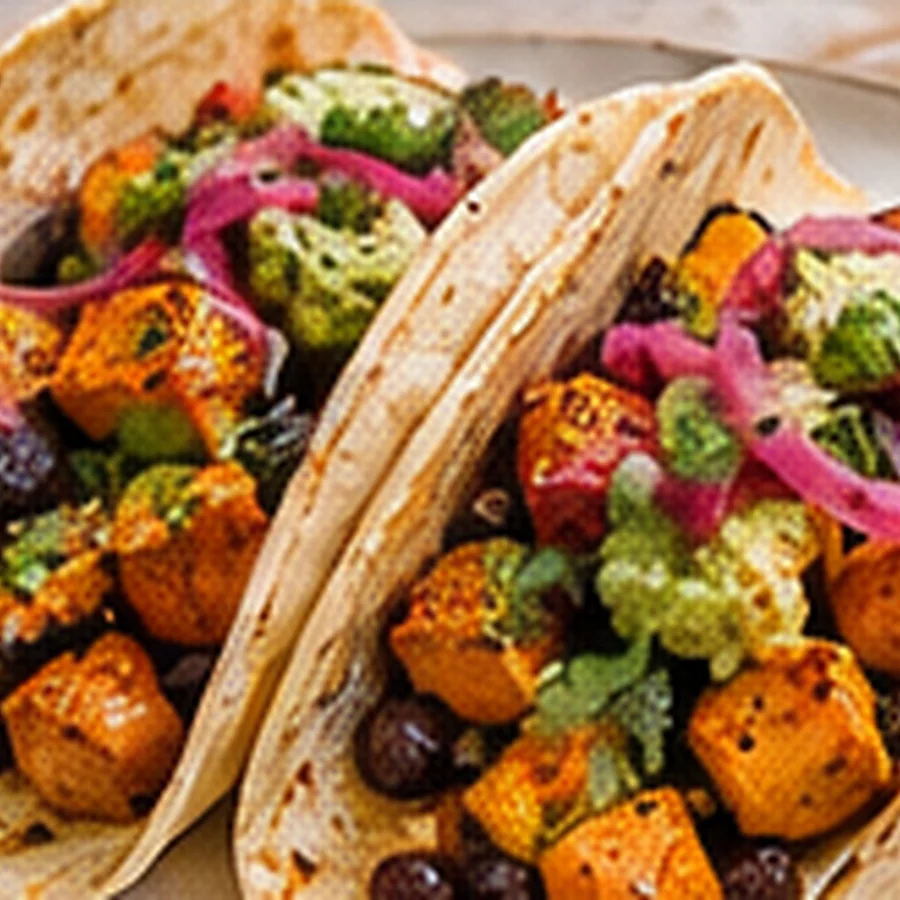
Sweet Potato & Black Bean Tacos
Roasty cumin sweet potato, smashed black beans, crunchy red cabbage slaw, and lime crema on warm corn tortillas.
30 min · Mexican · Vegan, Vegetarian
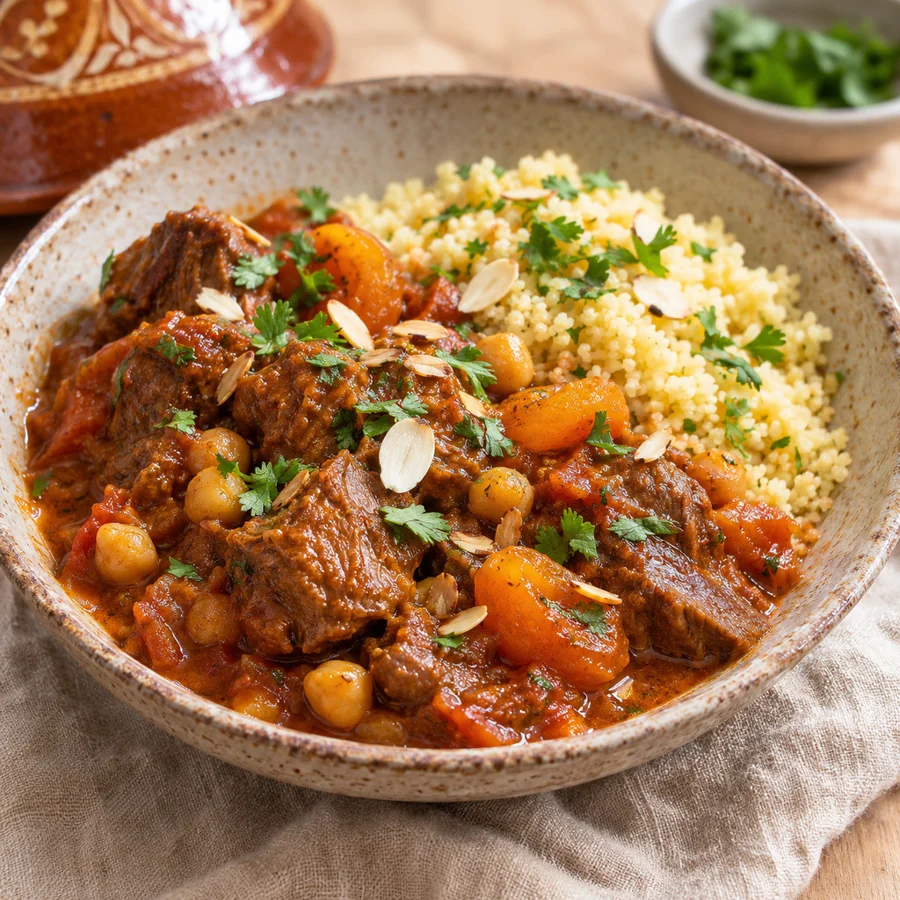
Moroccan Lamb & Apricot Tagine
A slow, fragrant weekend pot of tender lamb, sweet apricots, warm spices, and chickpeas, spooned over buttery couscous.
100 min · Moroccan · High protein, Dairy free
Can't choose between these? Spin the dinner wheel and let Salty pick one.
Tinned vs dried
Tinned pulses buy you convenience: they're already cooked, so drain and rinse them when the recipe calls for it, then add them to your dinner. They're handy for a solo salad, a couple's quick supper or stretching a family pot without another round of cooking. For an assembly-first option, try Greek Lentil Salad with Feta: it takes 15 minutes and needs no cooking equipment.
Dried pulses often cost less per cooked portion, but factor in fuel, time and how much you'll actually use. Most dried beans need soaking and thorough cooking; follow the packet rather than guessing. Dried kidney beans need particular care: soak and boil them according to the packet, and never cook them from raw in a slow cooker. Lentils generally don't need soaking, though rinsing and checking for debris are sensible first steps.
Switching between dried and tinned? Compare cooked or drained weights, not the weight of dry beans. Keep some cooking liquid if you want to loosen a soup later. For smaller households, freeze spare cooked pulses in meal-sized portions after cooling promptly. Tins remain a perfectly practical choice when dinner needs to happen with minimal effort.
Lentil types explained
Choose lentils by the texture you want, not just the colour on the shelf. Split red lentils soften and break down readily, making them useful for thick soups and creamy pots. In Turkish Red Lentil Soup (Mercimek), that velvety texture meets cumin, mint and lemon in a mild, beginner-friendly dinner ready in 30 minutes.
Brown and green lentils generally keep more shape, so they're useful when you want distinct bites in salads or rice dishes. Small, firm varieties such as Puy and beluga are good choices for that job too. They aren't direct substitutes for split red lentils if you're expecting a smooth result: the texture and liquid needs will differ. Follow the recipe and packet instructions when changing varieties.
Yellow split pulses are common in dal, though names on packets vary and may refer to lentils, peas or other pulses. Check what your recipe specifies. Dal Tadka uses yellow lentils with a sizzling finish of cumin, garlic and chilli. For a mixed-preference household, keep extra chilli at the table rather than increasing it throughout the pot. Cooking for one? Choose a portion size that leaves useful leftovers, not an obligation.
Beans around the world
Beans travel well across dinner styles, but the seasoning and accompaniments give each dish its own character. Chickpeas bring a firm, nutty bite to Weeknight Chana Masala, a tangy Indian curry ready in 25 minutes. Black beans take a different route in Quick Brazilian Black Bean Stew with Farofa, a weeknight nod to feijoada with sausage, orange-kissed greens and crunchy farofa. That one includes pork; this collection isn't exclusively plant-based.
Elsewhere in the selection, chickpeas meet smoky paprika and spinach in a Spanish stew, while Greek baked giant beans settle into dill-flecked tomato sauce. Lentils and chickpeas share the bowl in Moroccan harira. Pick the flavour direction your household enjoys rather than treating pulses as a separate category of food everyone must learn to like.
For improvised dinners, butter beans can replace cannellini beans in many tomato-based pots, while chickpeas offer a firmer alternative. Such swaps change texture and tradition, so think of them as practical adaptations. Couples with different diets can build separate bowls from a shared plant-based base, adding cheese or meat individually. For families, serve bread, rice or crunchy vegetables alongside so people can assemble their own plates.
Avoiding bland beans
Beans need flavour around them, not just a hurried shake of salt at the end. Start with onion or garlic if you're cooking, and give spices a brief stir in oil before adding liquid, taking care not to burn them. For an assembled dinner, use a punchy dressing instead: lemon juice, olive oil and herbs can do plenty without switching on the hob.
Build contrast as well as seasoning. Mujadara (Lentils, Rice & Crispy Onions) pairs spiced lentils and rice with sweet, crispy onions; that finishing texture matters as much as the soft base beneath it. Try crunchy cabbage beside creamy beans, or chopped herbs over a thick lentil bowl. Lemon juice or a splash of vinegar can brighten a flat-tasting pot. Add gradually, taste, then decide whether it needs more salt, acidity or spice.
Keep expensive extras in supporting roles: a little feta or a spoonful of tahini can finish a whole bowl, while toasted seeds offer another crunchy option. For mixed diets, put toppings in separate dishes. Check each recipe's allergen list and ingredient labels when choosing swaps. Salty's practical nudge: taste a spoonful with its topping before seasoning the entire batch again.
Salty's top 3
#1
Weeknight Chana Masala
Salty picks this tangy chickpea curry for its 25-minute timing, beginner-friendly method and budget-friendly, vegan credentials.
#2
Mujadara (Lentils, Rice & Crispy Onions)
Spiced lentils, rice and crispy onions make this budget-friendly vegan dinner a cosy choice with plenty of texture.
#3
Greek Lentil Salad with Feta
With no cooking equipment needed, this 15-minute lentil and feta salad earns its place on assembly-only evenings.
FAQ
Are lentils and beans a cheap source of protein?
Lentils and beans provide plant protein and are often economical cupboard staples. Dried pulses usually cost less per cooked portion, while tins save preparation and cooking effort. Compare drained weights when shopping, and choose quantities you'll use. Making pulses the main ingredient, rather than an extra beside meat, can help keep dinner costs down.
Do you need to soak lentils and beans before cooking?
Most lentils don't need soaking; rinse them and follow the packet's cooking instructions. Many dried beans benefit from soaking and must be cooked thoroughly. Dried kidney beans require soaking and proper boiling according to packet instructions; don't cook them from raw in a slow cooker. Tinned beans and lentils are already cooked.
Can I use tinned beans instead of dried beans in recipes?
Tinned beans can often replace dried beans once the recipe reaches the stage where the beans should be cooked. Use the required cooked or drained weight, not an equal weight of dried beans. Adjust the liquid and simmering stage accordingly, because tinned beans need heating through rather than cooking from dry.
Which lentils are best for soup and salad?
Split red lentils are useful for smooth, thick soups because they soften and break down. Green, brown, Puy and beluga lentils generally hold their shape better, making them useful for salads or chunkier soups. Choose according to the texture you want, and check packet instructions because cooking requirements vary between types.
How do you make beans taste good without meat?
Give beans a flavourful base with onion, garlic, herbs or spices, then balance the finished dish with salt and a little lemon juice or vinegar. Olive oil or tahini can add richness, while crunchy vegetables create contrast. If allergies matter, check each recipe's allergen list and ingredient labels before choosing toppings or substitutions.
Text last updated
More collections
Not sure which one?
Tell Salty who's eating and get dinners that fit everyone.
Get personalized ideas