
Pescatarian dinners
Find pescatarian dinners centred on fish and seafood, from tuna spaghetti to salmon bowls and prawn curries. Most options here take 15–25 minutes, with clear skill levels and equipment details to help you choose something that fits tonight.
These 15 dinners bring together store-cupboard shortcuts, hot meals and fresh, cold options, rather than treating every fish supper as the same fillet with a different sauce. You can start with the hob, oven or air fryer you actually use, then narrow things down by heat level and appetite. There are mild salmon dishes for a shared table, punchier curries and pasta for a quick solo supper.
Salty, our cheerful blue salt-shaker, keeps the decision practical: what needs buying, what needs cooking and what can simply be assembled. Ordering in remains a perfectly good plan; this collection gives you another route when fish or seafood sounds right.
15 recipes
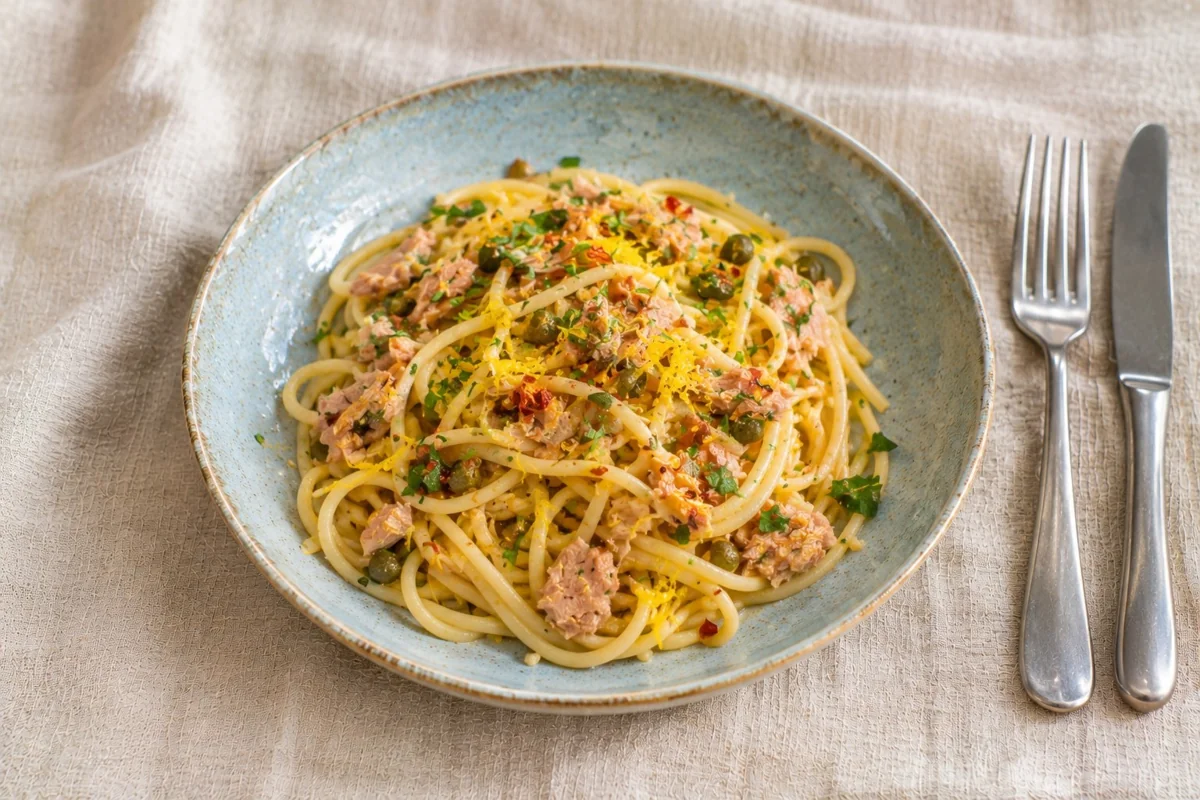
Lemony Tuna & Caper Spaghetti
A store-cupboard hero: flaked tuna, lemon zest, capers, garlic and chilli tossed through spaghetti. Fifteen minutes, big flavour.
15 min · Italian · Pescatarian, Dairy free
Sticky Teriyaki Salmon & Greens
Glossy, sweet-salty teriyaki salmon from the air fryer with garlicky pak choi and rice — dinner in 20 minutes flat.
20 min · Japanese · Pescatarian, High protein
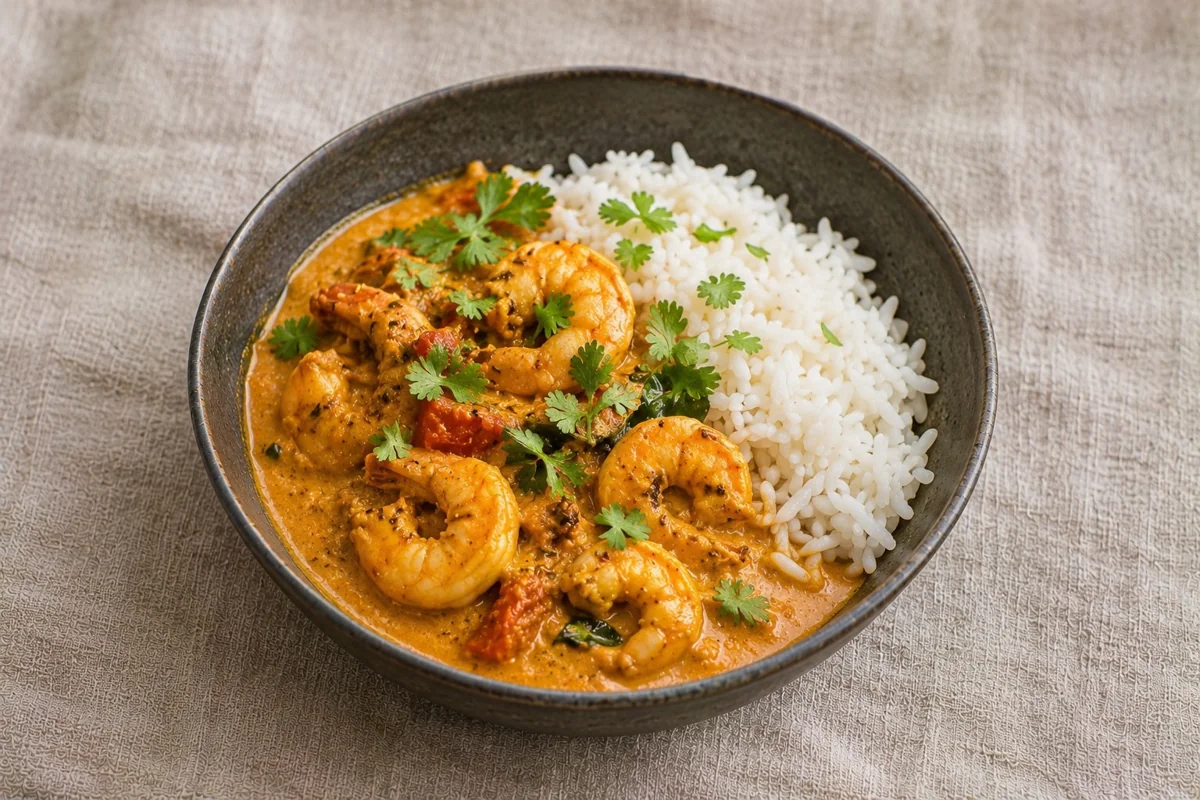
Goan Prawn Curry
Tangy, coconutty prawn curry with tamarind and gentle heat. Sunny Goan beach vibes on a Tuesday.
25 min · Indian · Pescatarian, Gluten free
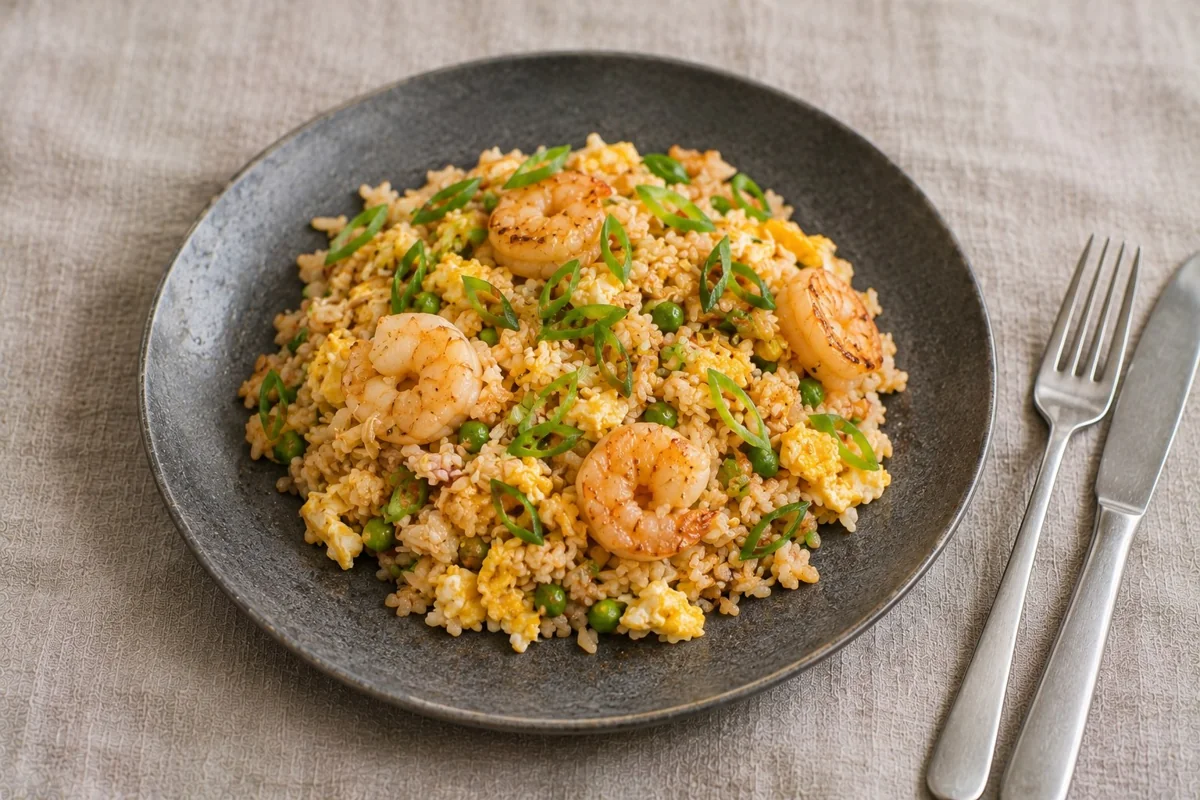
Prawn Egg Fried Rice
Better-than-takeaway fried rice with juicy prawns, fluffy egg, peas and spring onions. The best thing that ever happened to leftover rice.
15 min · Chinese · Pescatarian, Dairy free
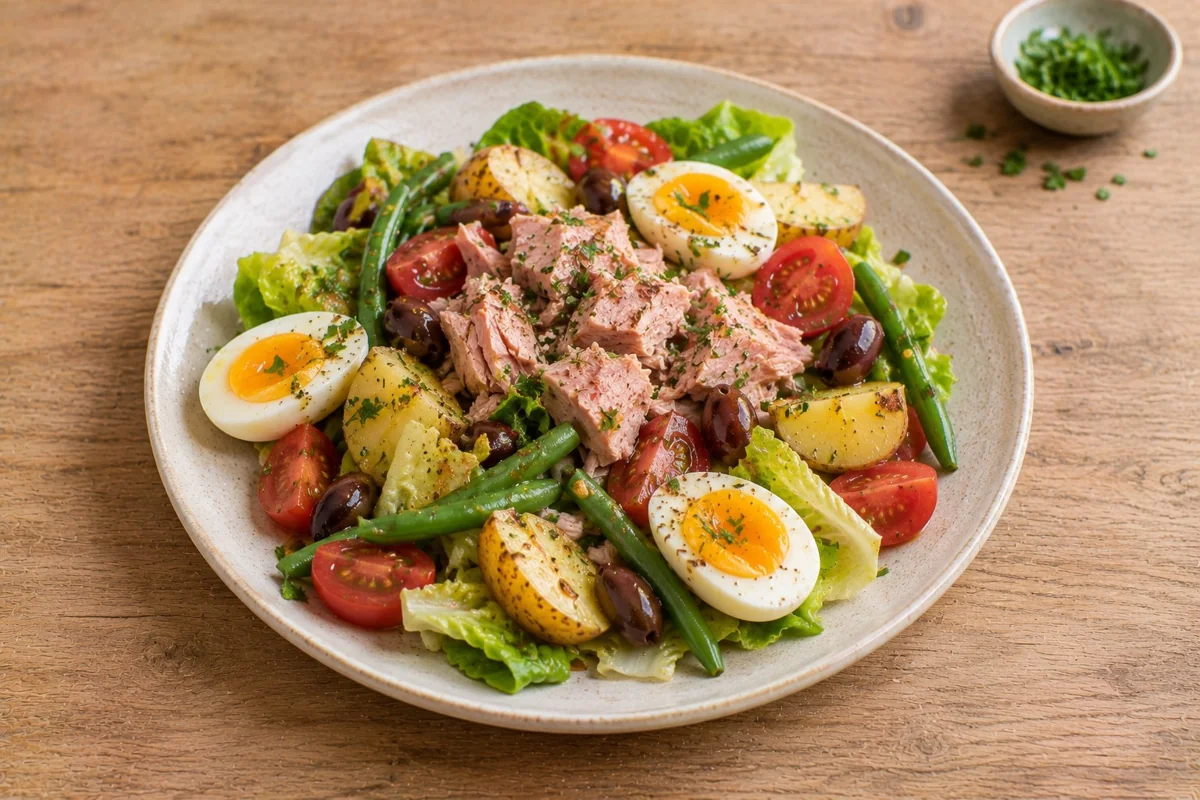
Salade Niçoise
The Riviera's classic composed salad: tuna, jammy eggs, potatoes, green beans, tomatoes and olives with a sharp Dijon dressing.
25 min · French · Pescatarian, Gluten free
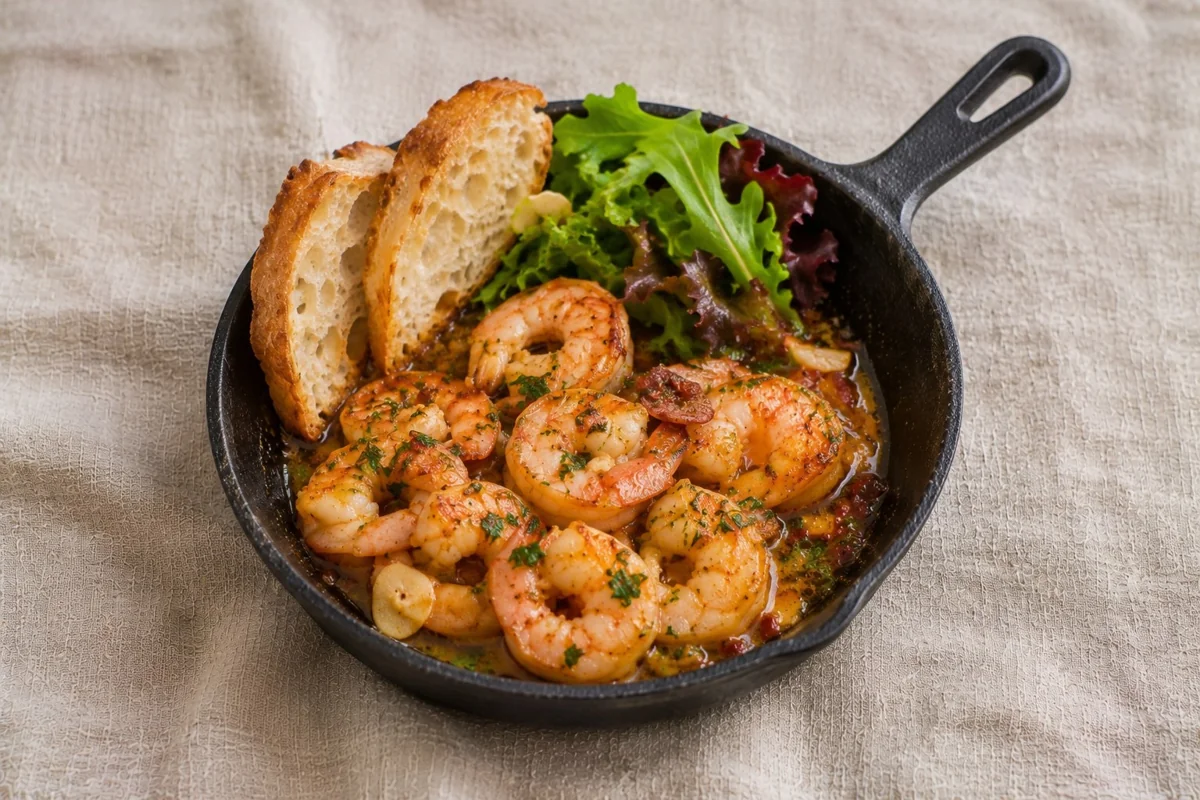
Gambas al Ajillo
Sizzling garlic prawns in golden olive oil with a hint of chilli. A tapas bar classic that becomes dinner with plenty of crusty bread.
15 min · Spanish · Pescatarian, Dairy free
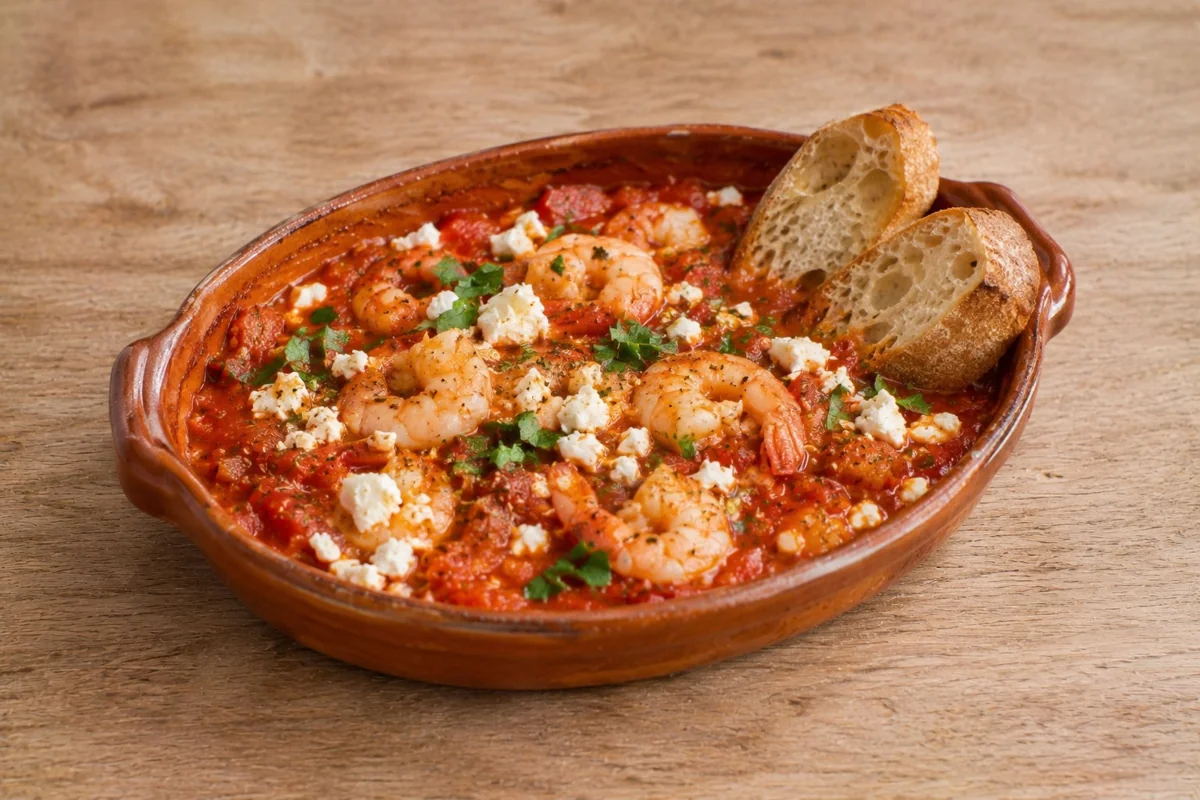
Shrimp Saganaki
Juicy prawns baked in a garlicky tomato sauce with crumbled feta. Serve with crusty bread for mopping up every drop.
25 min · Greek · Pescatarian, High protein
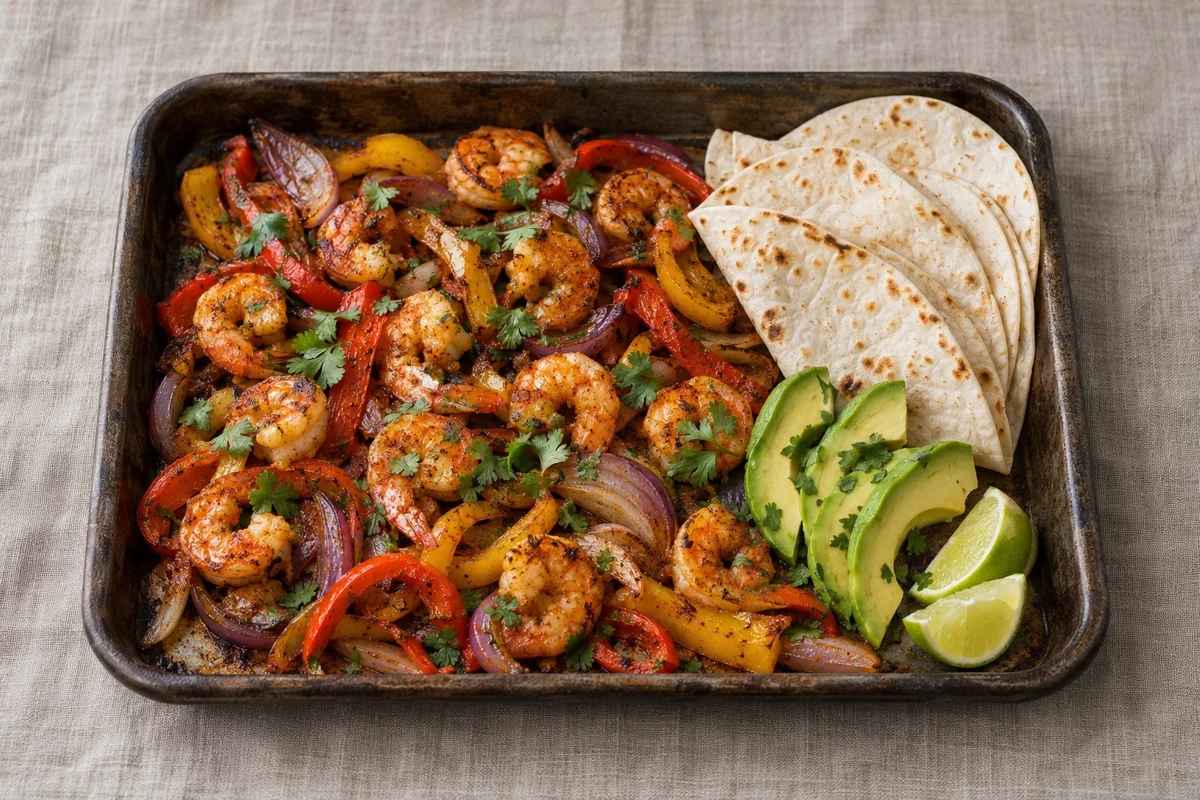
Sizzling Shrimp Fajitas
Juicy smoky prawns with charred peppers and onions, wrapped in warm tortillas with avocado and lime. Fajita night in 20 minutes.
20 min · Mexican · Pescatarian, Dairy free
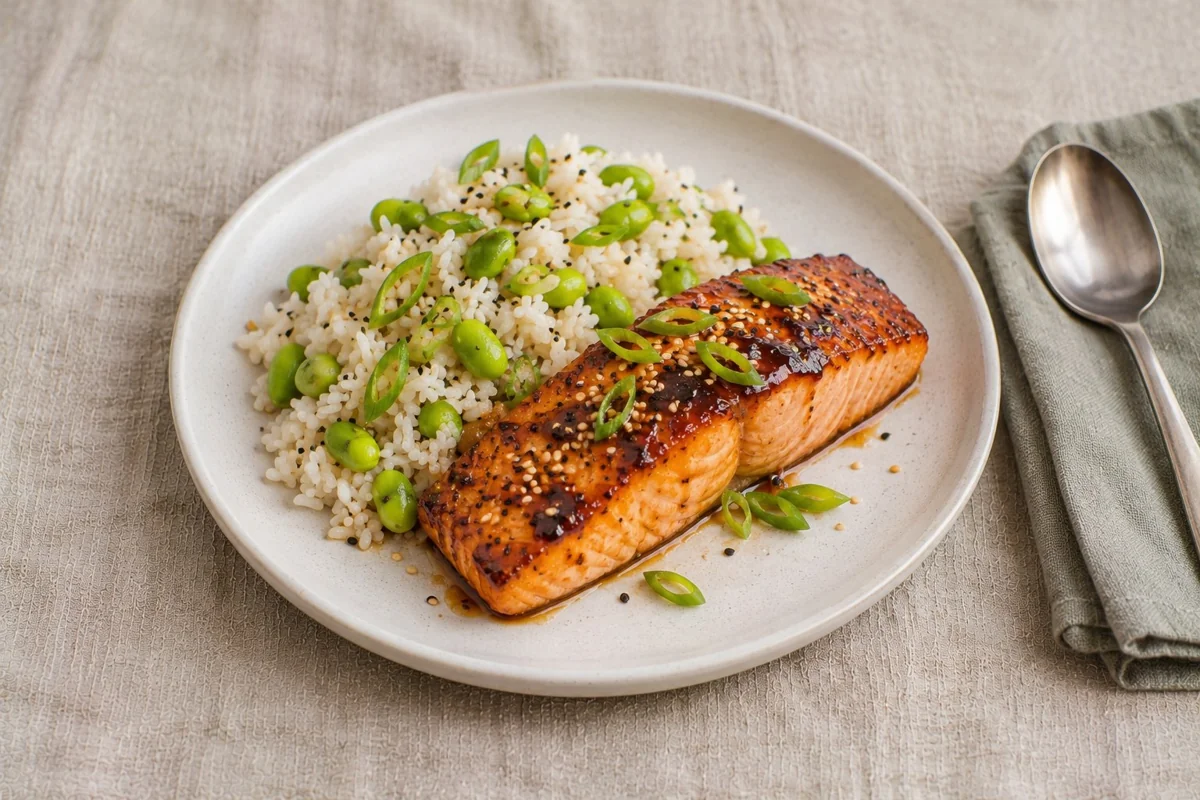
Miso-Glazed Salmon with Edamame Rice
Sweet-savoury miso glaze caramelised on tender salmon, with edamame-studded rice. Restaurant vibes in 20 minutes.
20 min · Japanese · Pescatarian, Dairy free
Fresh Salmon Poke Bowl
Silky sushi-grade salmon in a soy-sesame dressing over sushi rice, with edamame, mango, avocado, and crispy seaweed.
25 min · Japanese · Pescatarian, High protein
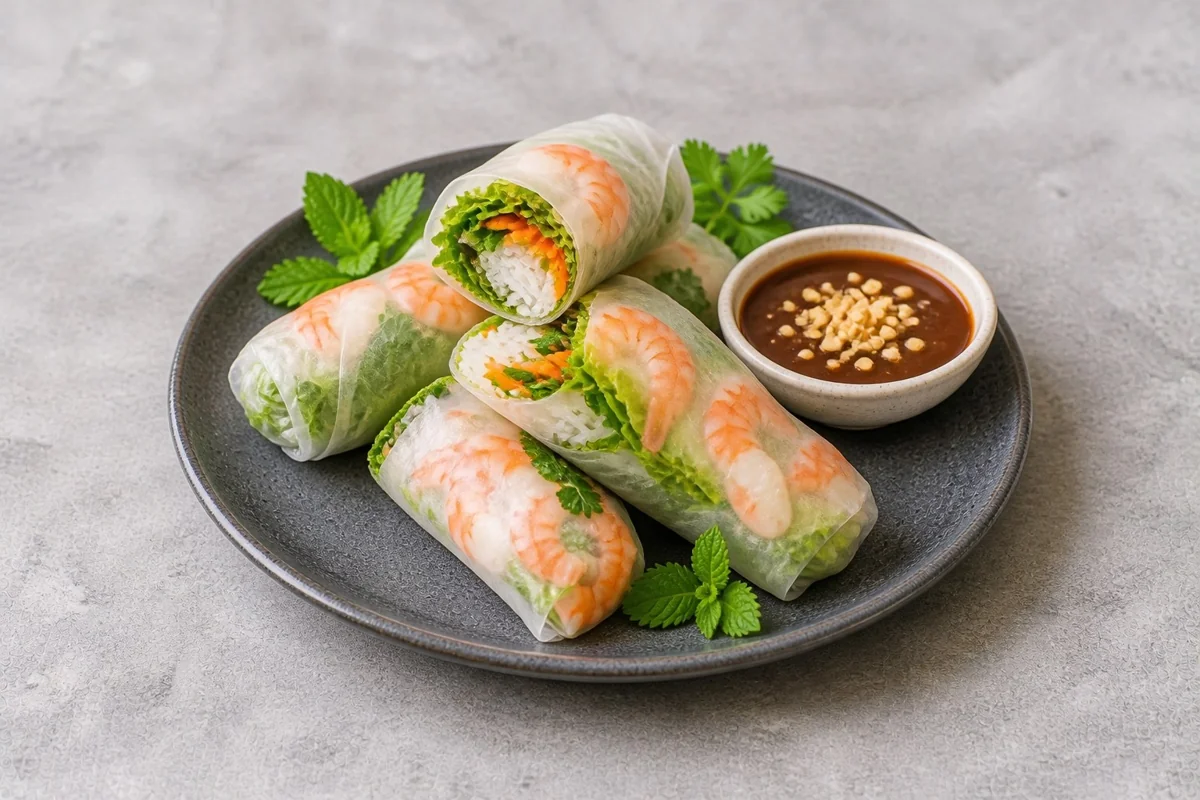
Fresh Prawn Summer Rolls
Translucent rice paper rolls packed with prawns, noodles, herbs and crunchy veg, dipped in a quick hoisin-peanut sauce. Fresh and fun to make together.
30 min · Vietnamese · Pescatarian, Dairy free
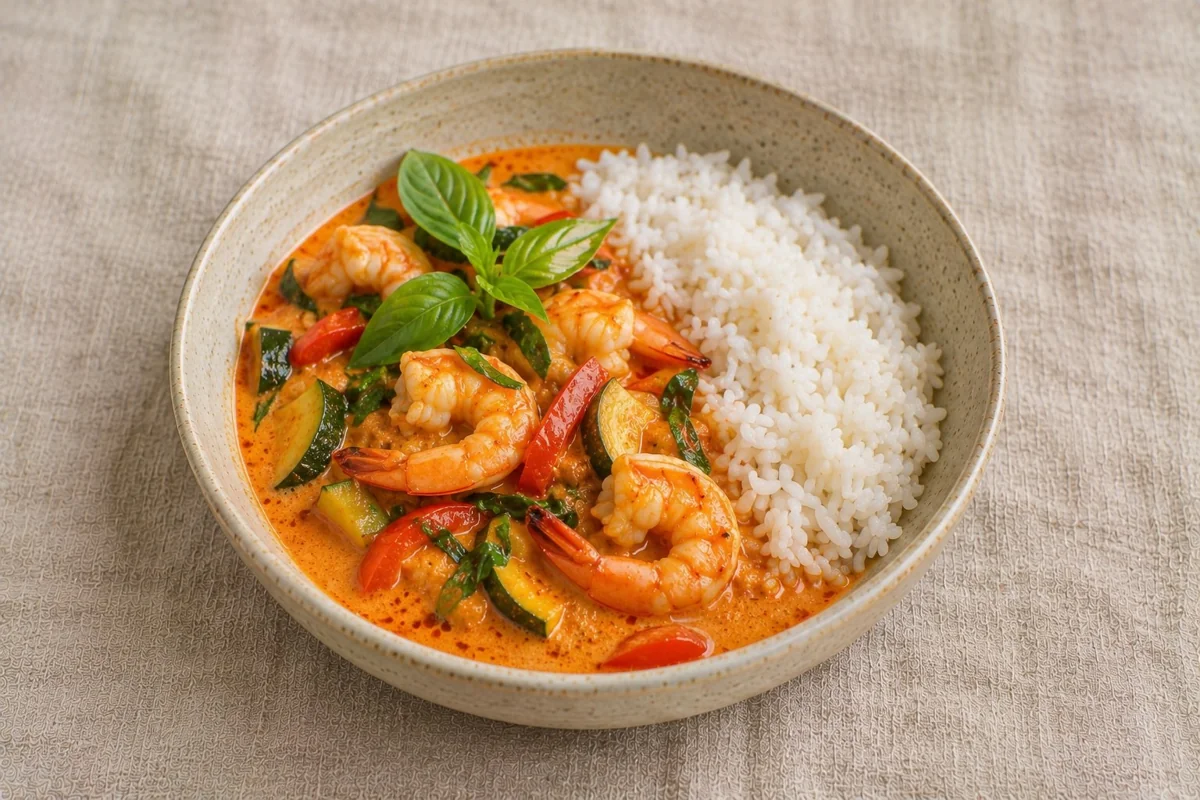
Thai Red Curry with Prawns
Juicy prawns and crisp veg in a fragrant red coconut curry with Thai basil. Ready in 25, so no need for takeaway.
25 min · Thai · Pescatarian, Gluten free
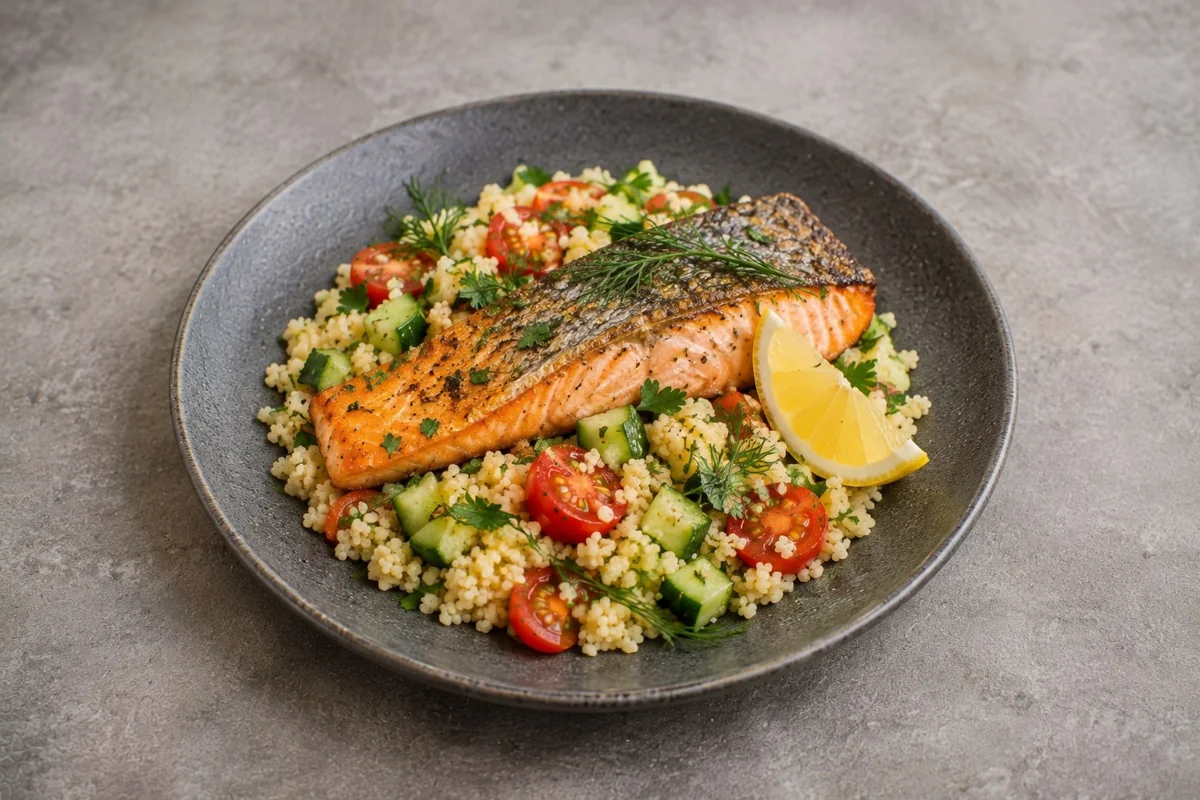
Lemon-Herb Salmon with Herby Couscous
Pan-seared salmon with a crispy skin over lemony couscous with tomatoes, cucumber and plenty of herbs. Fresh, fast and filling.
20 min · Mediterranean · Pescatarian, Dairy free
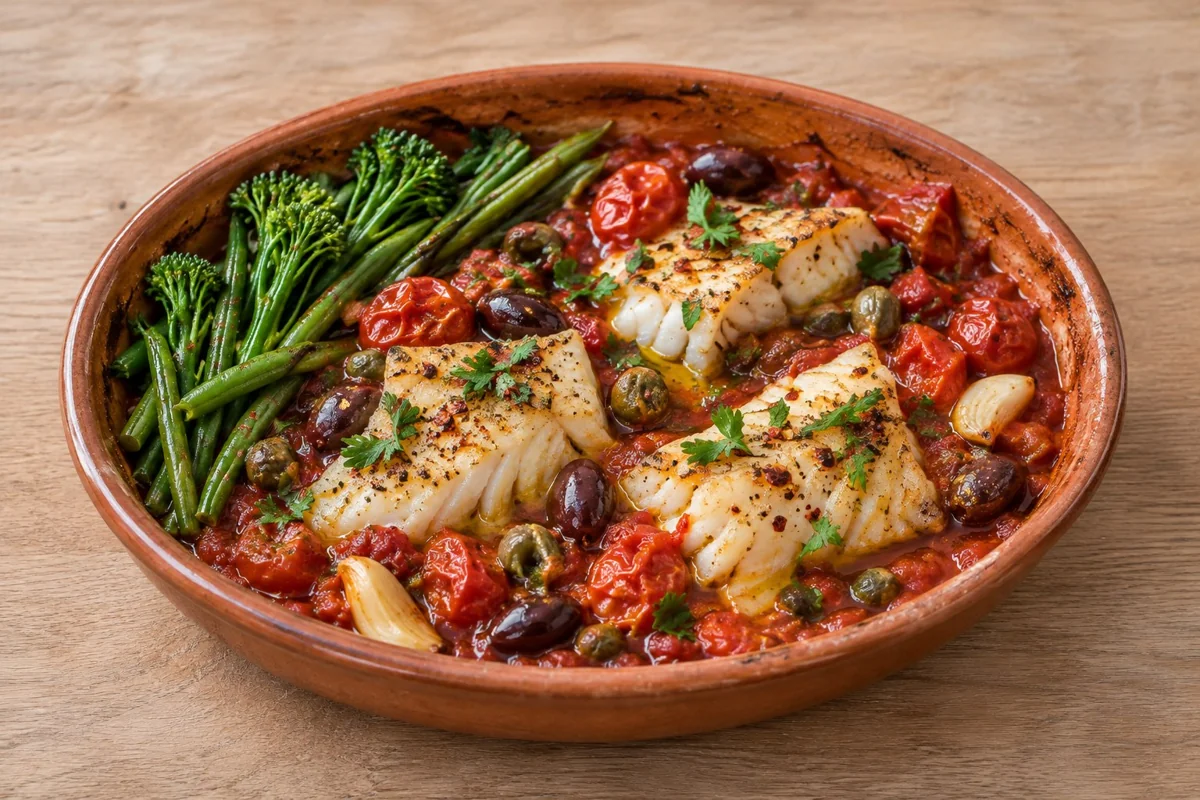
Baked Cod Puttanesca
Flaky white fish baked in a punchy tomato sauce with olives, capers, and garlic. Light, bright, and ready in 25 minutes.
25 min · Mediterranean · Pescatarian, Gluten free
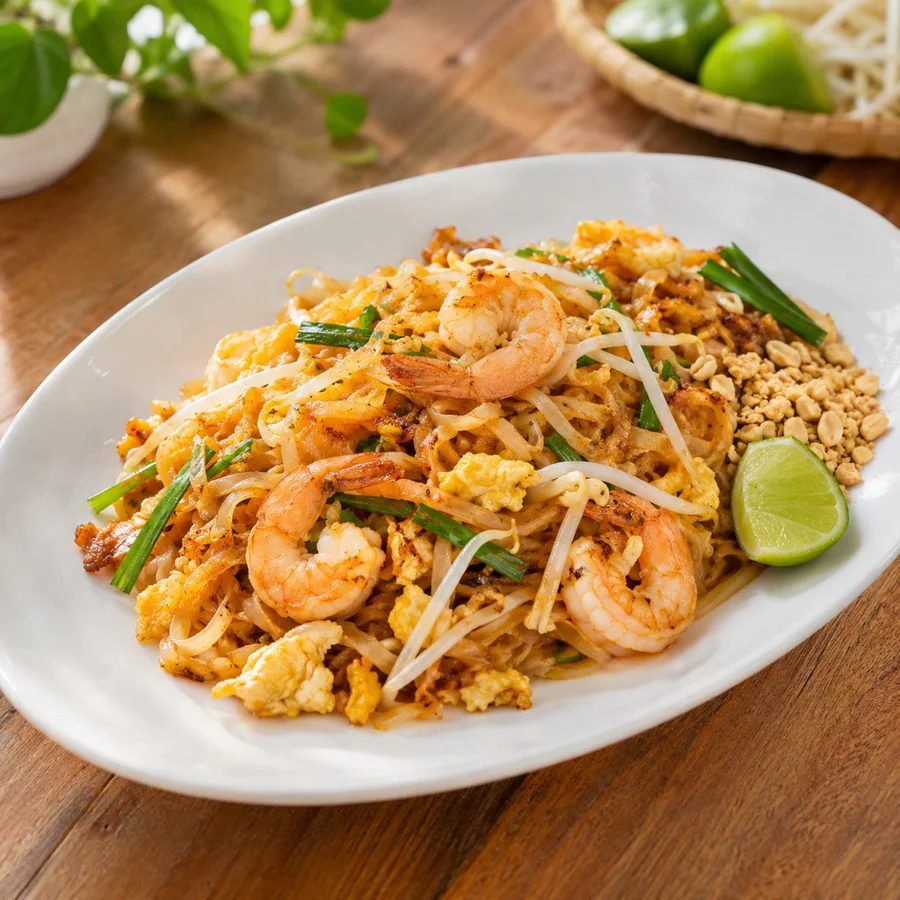
Easy Shrimp Pad Thai
Tangy tamarind noodles tossed with juicy prawns, egg, crunchy beansprouts, and roasted peanuts. Better than takeaway, promise.
25 min · Thai · Pescatarian, Gluten free
Can't choose between these? Spin the dinner wheel and let Salty pick one.
Buying fish without stress
Begin with the meal, not the fish counter. For a solo dinner, individually portioned frozen fish can make shopping easier; for a couple, choose fillets of similar thickness so they cook more evenly. Feeding a family? Boneless portions reduce preparation, though it is still worth checking carefully for bones before serving. Ask the fishmonger to remove them if that helps.
Fresh fish should smell mild rather than strongly fishy, but smell alone cannot establish safety. Check use-by dates, keep purchases chilled and follow storage instructions. Frozen fish and prawns are useful weeknight options, not a consolation prize. Defrost according to the packet, usually in the fridge, and check whether prawns are raw or already cooked before starting.
Raw fish needs a different shopping conversation. Fresh Salmon Poke Bowl uses sushi-grade salmon; ask a reputable supplier specifically for salmon suitable for eating raw and follow their handling advice. The label alone is not a safety guarantee. If raw fish does not suit your household, choose a cooked dish instead. For an assembly-led evening, tinned tuna removes the raw-fish preparation step without requiring a special shopping trip.
Fish cooking times
The minutes listed here describe the whole recipe, not a universal cooking time for every piece of fish. Thickness, starting temperature and equipment all affect how quickly seafood cooks. A thin tail piece and a thick centre-cut fillet will not behave identically, even when they share a tray. Read the method before switching on the heat, then get rice, vegetables and sauces organised in the suggested order.
For a quick air-fryer option, Sticky Teriyaki Salmon & Greens brings salmon, garlicky pak choi and rice together in 20 minutes. Prefer the oven? Baked Cod Puttanesca takes 25 minutes overall, baking white fish in tomato sauce with olives, capers and garlic. Neither total should be treated as the cooking time for the fish alone.
For cooked fish dishes, check the thickest part: the flesh should be opaque and separate easily into flakes. Prawns should become opaque throughout; use a food thermometer if you are unsure and follow local safety guidance. When swapping fish, choose similarly thick portions and reassess doneness rather than blindly keeping the original timing. If a couple wants different portion sizes, check the smaller piece first.
Pescatarian dinners for beginners
Start with a familiar format and one manageable task. Pasta is a friendly entry point: Lemony Tuna & Caper Spaghetti is a beginner-level, 15-minute dinner using tuna, lemon zest, capers, garlic and chilli. Keep the capers if you enjoy their salty tang, or leave them out and adjust the lemon to taste. Put chilli on the table separately when heat preferences differ.
If rice is your usual takeaway choice, Prawn Egg Fried Rice offers a mild, beginner-level route in 15 minutes, with prawns, egg, peas and spring onions. Leftover rice needs careful handling: cool it quickly, refrigerate promptly and use it the next day. Reheat only once, until steaming hot throughout. Follow packet directions if using ready-cooked rice instead.
For mixed diets, keep a plain rice or pasta portion separate before adding seafood. Someone avoiding fish could add beans or tofu to their own portion, using separate utensils where needed; that is a household adaptation, not a claim about the original recipe. Families can also serve vegetables separately for easy assembly. Check each recipe's allergen list and ingredient labels, especially when swapping sauces or choosing alternatives. Salty votes for fewer surprises at the table.
Sustainable choices
A useful sustainability question is more specific than 'Is salmon a good choice?' Ask which species you are buying, where it comes from and how it was caught or farmed. Those details can change the answer. A fishmonger may be able to explain the source; packaged seafood often includes information that helps you check current seafood guidance for your market.
Look for credible certification, such as MSC for wild-caught seafood or ASC for farmed seafood, as a starting point rather than a blanket guarantee. There is no need to memorise every fishery before dinner. Pick one practical habit: read the label, ask about sourcing or compare available options. Tinned and frozen products deserve the same questions as fresh fish.
Flexibility helps you use what is available. In a cooked white-fish dish, another similarly firm white fish may work, with cooking adjusted for thickness. Check sourcing rather than assuming the substitute is automatically better. For smaller households, frozen portions let you take out what you need. For families, plan quantities around who actually eats seafood and build out plates with the recipe's rice, bread or vegetables. Buying thoughtfully includes avoiding food nobody wants.
Salty's top 3
#1
Lemony Tuna & Caper Spaghetti
Salty's store-cupboard pick brings tuna, lemon and capers to spaghetti in 15 minutes, with a beginner-friendly skill level.
#2
Sticky Teriyaki Salmon & Greens
Mild, sweet-salty salmon with pak choi and rice makes this beginner-friendly air-fryer dinner a practical family pick.
#3
Goan Prawn Curry
This beginner-friendly prawn curry pairs coconut and tamarind with medium heat, bringing a rice-based dinner together in 25 minutes.
FAQ
What can you eat for dinner on a pescatarian diet?
Pescatarian dinners can include fish, shellfish, vegetables, grains and pulses, while excluding meat and poultry. Eggs and dairy may also feature, depending on personal preferences. In this collection, options range from salmon with rice to prawn curry, tuna pasta and Salade Niçoise. You do not need seafood in every pescatarian meal.
What are easy pescatarian dinners for beginners?
Lemony Tuna & Caper Spaghetti, Prawn Egg Fried Rice and Baked Cod Puttanesca are all marked beginner-level in this collection. The pasta and fried rice each take 15 minutes; the cod takes 25 minutes overall. Choose according to the equipment you have and the ingredients you feel comfortable handling, rather than speed alone.
Can I use frozen fish for pescatarian dinners?
Frozen fish and prawns can be practical choices for cooked pescatarian dinners. Check the packet for storage, defrosting and cooking instructions, and confirm whether seafood is raw or already cooked. Do not assume frozen salmon is suitable for raw dishes: buy specifically for that purpose from a reputable supplier and follow their advice.
Are pescatarian dinners suitable for a family with mixed diets?
Pescatarian dinners can work for mixed-diet households when shared components stay separate until serving. Rice, vegetables or pasta can form the base, with seafood added only to the relevant plates. Use separate utensils where needed. For allergies, check each recipe's allergen list and ingredient labels; simply removing visible fish is not enough.
How do I choose sustainable fish for dinner?
Check the species, origin and catch or farming method, then consult current seafood guidance relevant to where you shop. MSC and ASC certification can help inform your choice, but no single species is always the best option. Ask about alternatives, compare sourcing details and buy portions your household is likely to use.
Text last updated
More collections
Not sure which one?
Tell Salty who's eating and get dinners that fit everyone.
Get personalized ideas